Born Mar 20, 1917 • Died Jun 18, 2020
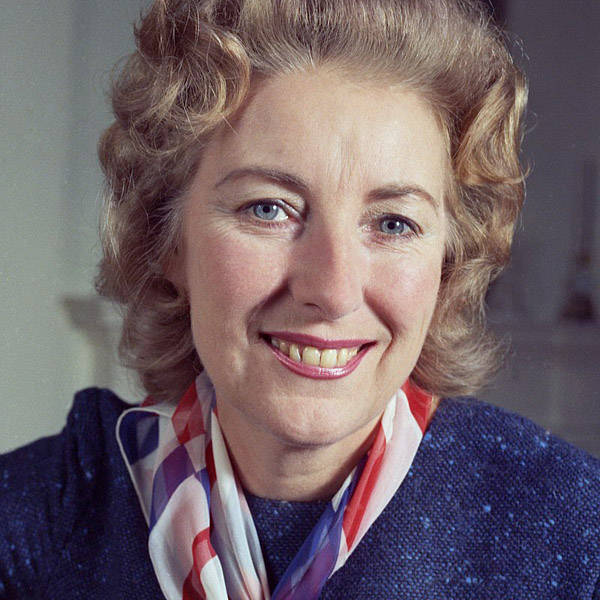
Vera Lynn
Last updated on July 20, 2025
Born Mar 20, 1917 • Died Jun 18, 2020
Last updated on July 20, 2025
From Wikipedia:
Dame Vera Margaret Lynn (née Welch; 20 March 1917 – 18 June 2020) was an English singer and entertainer whose musical recordings and performances were very popular during World War II. She is honorifically known as the “Forces’ Sweetheart”, having given outdoor concerts for the troops in Egypt, India, and Burma during the war as part of the Entertainments National Service Association (ENSA). The songs most associated with her include “We’ll Meet Again”, “(There’ll Be Bluebirds Over) The White Cliffs of Dover”, “A Nightingale Sang in Berkeley Square” and “There’ll Always Be an England”.
She remained popular after the war, appearing on radio and television in the United Kingdom and the United States and recording such hits as “Auf Wiederseh’n, Sweetheart” and her UK number-one single “My Son, My Son”. Her last single, “I Love This Land”, was released to mark the end of the Falklands War. In 2009, at the age of 92, she became the oldest living artist to top the UK Albums Chart with the compilation album We’ll Meet Again: The Very Best of Vera Lynn. In 2014, she released the collection Vera Lynn: National Treasure and in 2017, she released Vera Lynn 100, a compilation album of hits to commemorate her centenary—it was a No. 3 hit, making her the first centenarian performer to have a Top 10 album in the charts. By the time of her death in 2020, she had been active in the music industry for 96 years.
Lynn devoted much time and energy to charity work connected with ex-servicemen, disabled children, and breast cancer. She was held in great affection by Second World War veterans and in 2000 was named the Briton who best exemplified the spirit of the 20th century. […]
When I was a little kid growing up in Liverpool at the end of World War II, the world was coloured by images and stories of the war. Our playgrounds were often bomb sites. The radio was often aimed at the brave people serving in the armed forces and central to all of this was the sweet clear voice of Vera Lynn. We could imagine how soldiers serving in the war, away in places like Burma, would be glued to their radios listening to the sounds coming from their faraway homeland.
Vera’s songs always spoke of hope for the future and we can imagine how important this must have been to those distant audiences. She became a symbol of optimism and a better life to come. We all grew up with a great admiration and respect for her.
In later years we had the pleasure of meeting her and even though we were somewhat overawed, her easy going personality made us feel at home. Perhaps this was one of her greatest secrets. In person and with her music she could communicate a sense of down home authenticity. So today – Monday 19th March 2017 – it is with great pleasure that I can congratulate this wonderful lady on her 100th birthday and thank her for the many hours of pleasure she has given to me and people across the world. Happy Birthday Vera! Lots of love, Paul
Paul McCartney – From paulmccartney.com, March 20, 2017
Dame Vera Lynn was a strong and inspiring lady who has done so much for Britain. I am so sad to hear of her passing, but at the same time so glad to have met her and experienced first-hand her warm, fun-loving personality. Her voice will sing in my heart forever. Thanks Vera. Love Paul
Paul McCartney – From Facebook, June 18, 2020
I SUPPOSE THE MOST FAMOUS BLUEBIRDS WOULD BE THE ONES flying over ‘The White Cliffs of Dover’ in that great wartime song of 1942 by Dame Vera Lynn. That was, incidentally, the year I was born, and when I was lucky enough to meet her many years later, I was really struck by her warm character. You could understand how she had become such an important British figurehead. Dame Vera lived to the ripe old age of 103 and had been a performer since childhood, but it was really during the Second World War that she’d found her voice, becoming a fond favourite of the forces and entertaining the troops in places like Egypt and India. Growing up, I remember hearing about her from my parents and aunties and uncles – everyone had this great respect for her. So, to everyone from Queen Elizabeth to my parents’ generation – and then, by default mine, as she was always on the radio – her music was important and influential and came to represent that wartime ‘Dig for Victory’, stiff-upper-lip attitude which helped unite the country during those difficult years. Along with her ‘White Cliffs of Dover’, she became most well known for her song ‘We’ll Meet Again’; a rallying cry which promised a reunion of lovers ‘some sunny day’. Thanks to the songs she sang during those years, her flock of bluebirds was forever embedded in the minds of that wartime generation.
Paul McCartney – From “The Lyrics: 1956 to the Present“, 2021

Notice any inaccuracies on this page? Have additional insights or ideas for new content? Or just want to share your thoughts? We value your feedback! Please use the form below to get in touch with us.