Wednesday, July 9, 1969
Recording "Maxwell's Silver Hammer"
For The Beatles
Last updated on April 5, 2025
Wednesday, July 9, 1969
For The Beatles
Last updated on April 5, 2025

Feb 22 - Aug 25, 1969 • Songs recorded during this session appear on Abbey Road
Recording studio: EMI Studios, Studio Two, Abbey Road • London • UK
Session Jul 07, 1969 • Recording "Here Comes The Sun"
Session Jul 08, 1969 • Recording and mixing "Here Comes The Sun"
Session Jul 09, 1969 • Recording "Maxwell's Silver Hammer"
Session Jul 10, 1969 • Recording and mixing "Maxwell's Silver Hammer"
AlbumSome of the songs worked on during this session were first released on the "Abbey Road" LP
On July 1, 1969, John Lennon was on holiday in Scotland when he was involved in a car accident along with his wife Yoko, his son Julian, and Yoko’s daughter, Kyoko. He was hospitalized and remained under care until July 6.
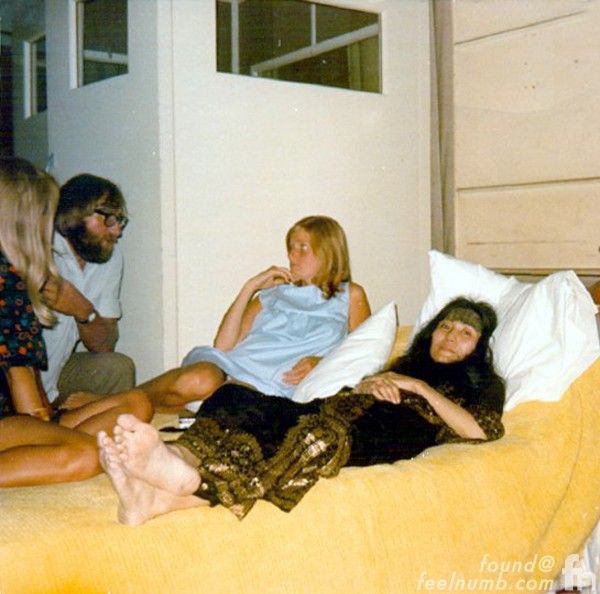
John rejoined The Beatles’ sessions on this day, having missed five days of work. Yoko, who was pregnant at the time, had been advised by doctors to remain on bed rest following the accident. As a result, John arranged for a bed to be installed in the recording studio so she could be present during the sessions.
We were all waiting for him and Yoko to arrive. Paul, George, Ringo downstairs (on the studio floor) and us upstairs (in the control room). They didn’t know what state he would be in. There was a definite ‘vibe’; they were almost afraid of Lennon before he arrived, because they didn’t know what he would be like. I got the feeling that the three of them were a little bit scared of him. When he did come in it was a relief and they got together fairly well. John was a powerful figure, especially with Yoko – a double strength.
Phil McDonald – Engineer – From “The Complete Beatles Recording Sessions” by Mark Lewisohn, 1988
The door burst open again and four men in brown coats began wheeling in a large, heavy object. For a moment, I thought it was a piano coming in from one of the other studios, but it soon dawned on me that these were proper deliverymen: the brown coats they were wearing had the word ‘Harrods’ inscribed on the back. The object being delivered was, in fact, a bed. Jaws dropping, we all watched as it was brought into the studio and carefully positioned by the stairs, across from the tea-and-toast setup. More brown coats appeared with sheets and pillows and somberly made the bed up. […]
It wasn’t as if Yoko was just lying in that bed resting quietly, either – there was a long line of visitors there by her bedside paying supplication, almost all the time. Various Beatles would be recording in one end of the room, and she would be lying there at the other end, chatting with friends, making her presence all the more obvious – and aggravating – to the rest of the band. George Martin had returned on the premise that it was going to be like the good old days, but we had never had a Beatle wife in bed in the studio with us in the old days. That probably explained why he seemed so depressed and frustrated during those weeks.
Geoff Emerick attended this session but didn’t engineer it – From “Here, There and Everywhere: My Life Recording the Music of The Beatles“, 2006
We were setting up the microphones for the session and this huge double-bed arrived. An ambulance brought Yoko in and she was lowered down onto the bed, we set up a microphone over her in case she wanted to participate and then we all carried on as before! We were saying, ‘Now we’ve seen it all, folks!’
Martin Benge – Technical engineer – From “The Complete Beatles Recording Sessions” by Mark Lewisohn, 1988
The Beatles had previously rehearsed Paul McCartney’s “Maxwell’s Silver Hammer” during the “Get Back” sessions on January 3, 7, 8, and 10, 1969, but ultimately decided to omit it from the project.
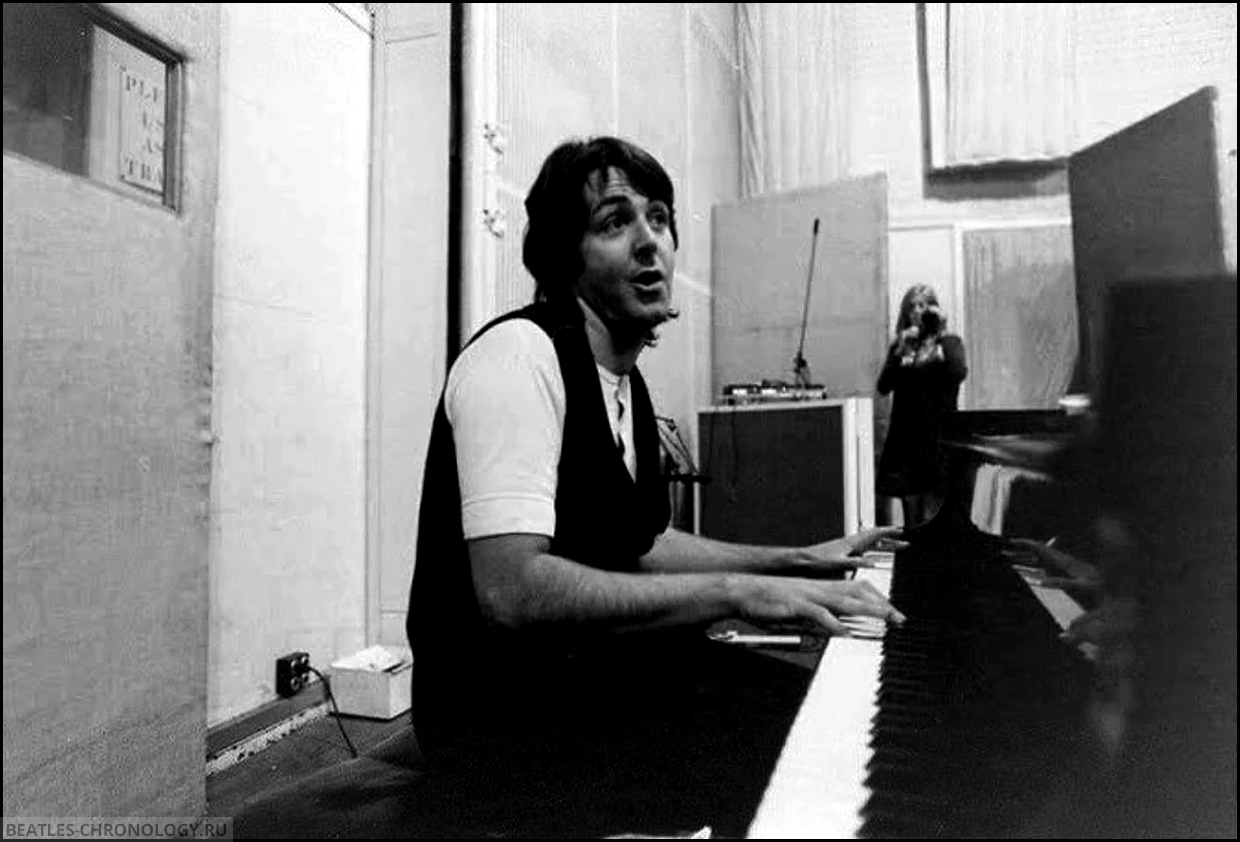
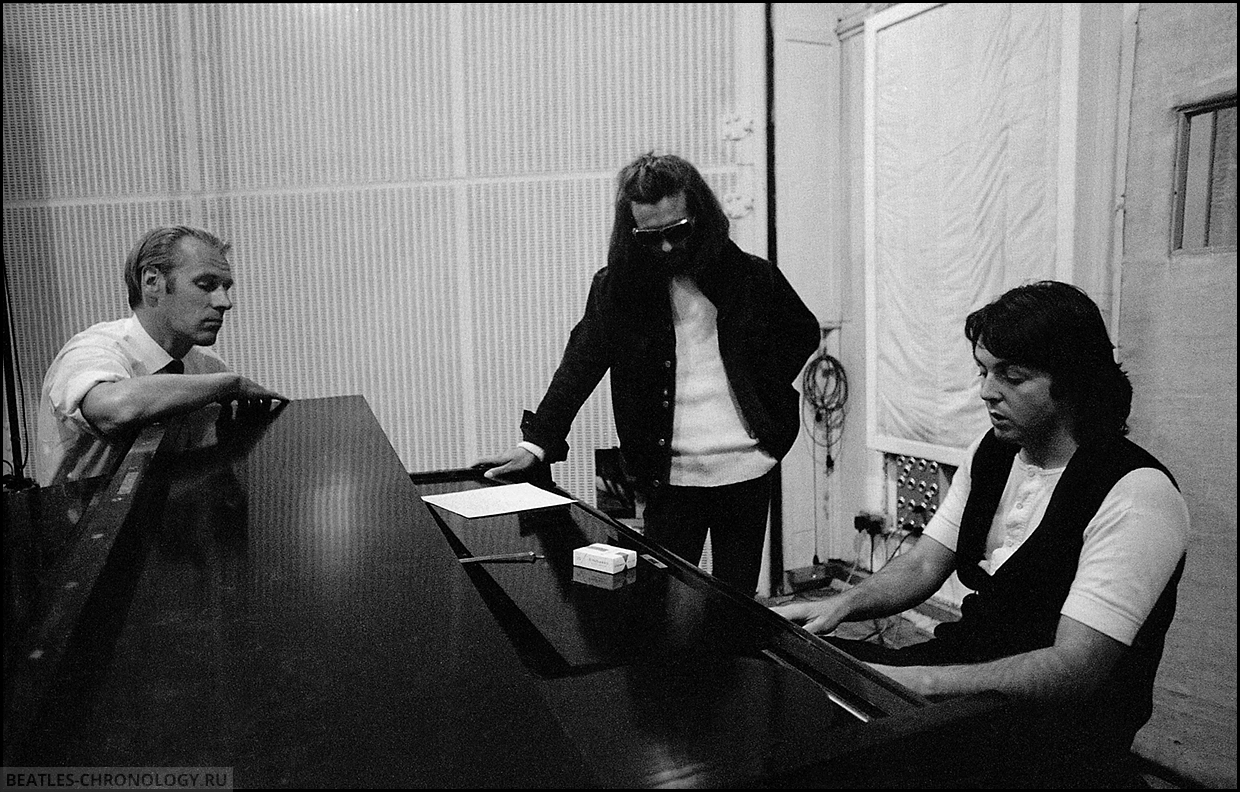
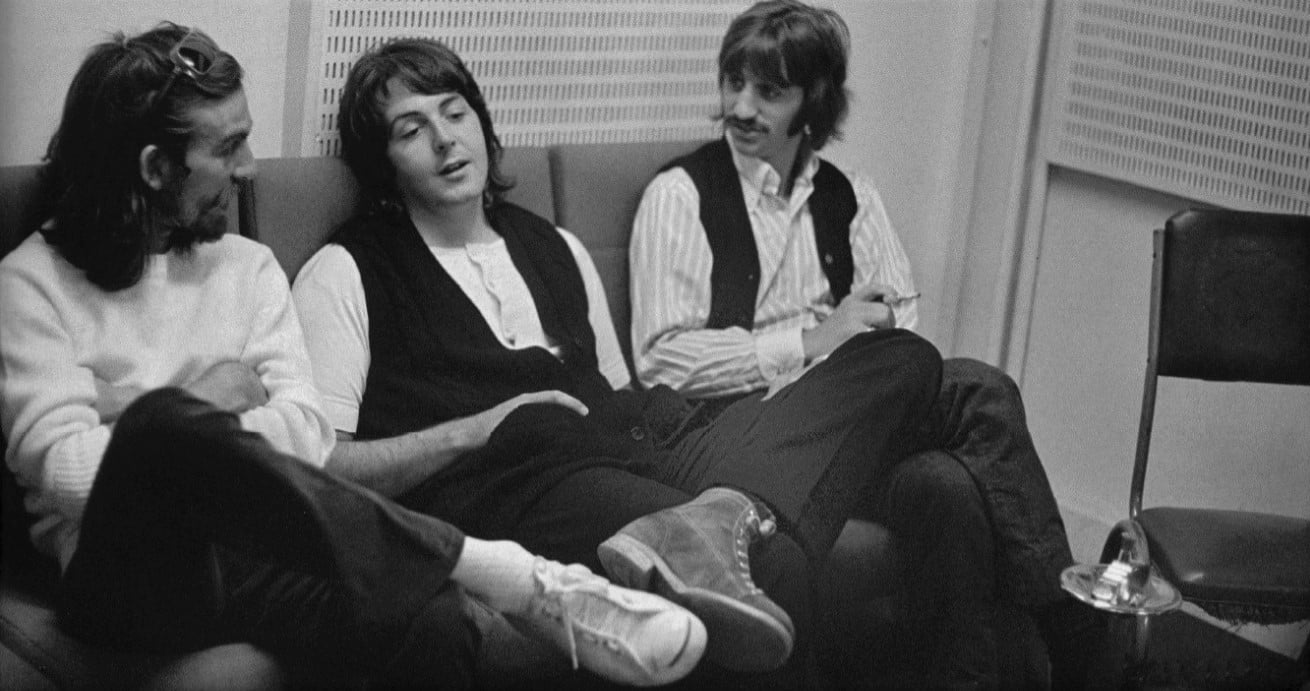
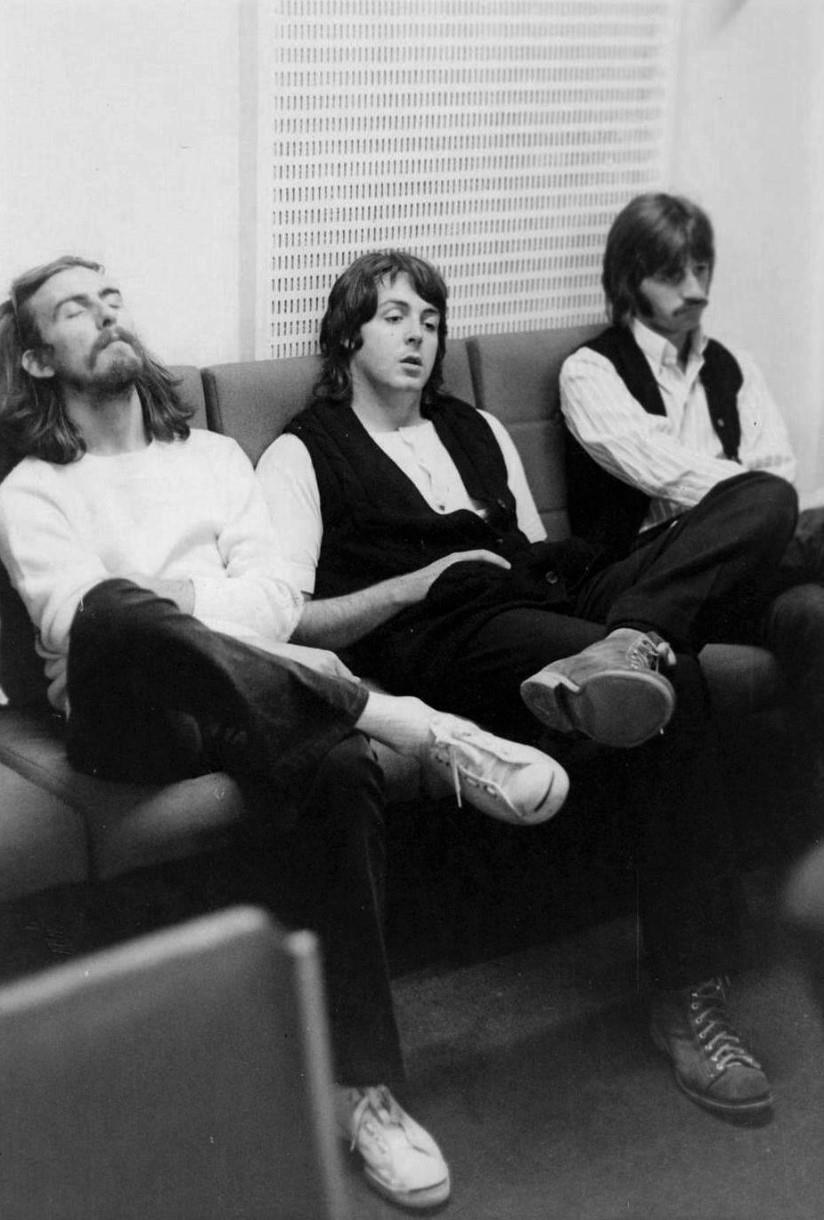
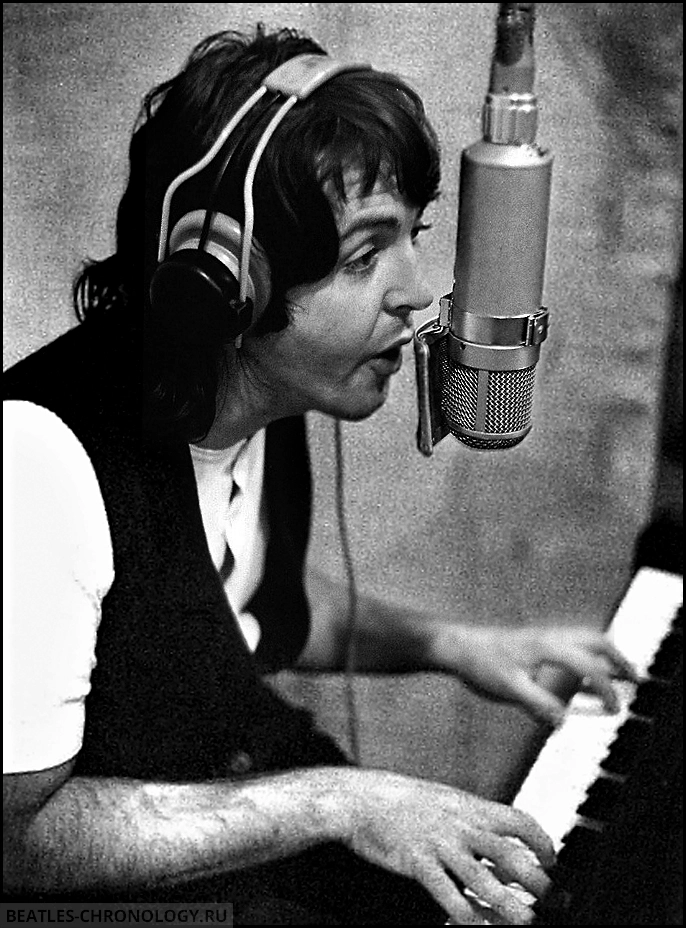
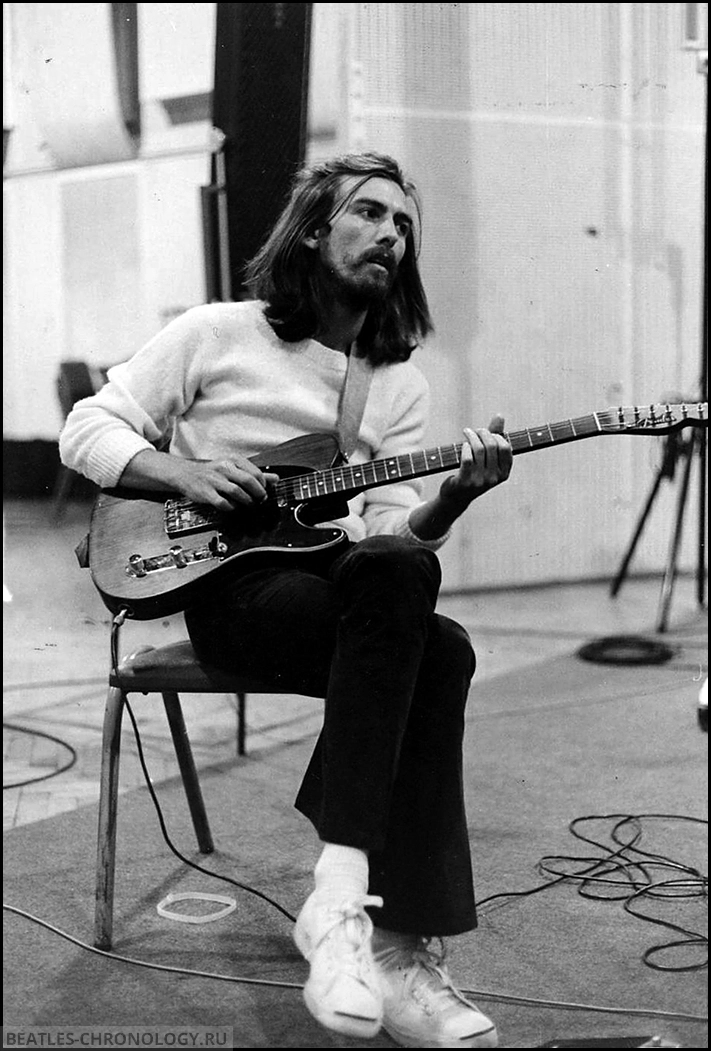
On this day, Paul brought the song back, and the group began recording the basic track. Paul played piano (on track three of the eight-track tape) and sang guide vocals (on track eight), George Harrison played bass (track one), and Ringo Starr was on drums (track two). John Lennon did not contribute to the basic track — according to visiting engineer Geoff Emerick, he simply wasn’t willing to — though John never commented on this himself.
There was a distinct change in the atmosphere after John and Yoko arrived, although personally I felt it had more to do with Lennon being there than his bedridden wife. He was grouchy and moody, and he flatly refused to participate at all in the making of ‘Maxwell’s Silver Hammer,’ which he derisively dismissed as ‘just more of Paul’s granny music.’
Geoff Emerick attended this session but didn’t engineer it – From “Here, There and Everywhere: My Life Recording the Music of The Beatles“, 2006
It’s a typical McCartney sing-a-long, or whatever you call them. He did quite a lot of work on it. I was ill after the accident when they did most of that track, and it really ground George and Ringo into the ground recording it, you know. I wasn’t on ‘Maxwell,’ but I think I was on everything else. I was just away for that.
John Lennon – September 1969 interview
They recorded 16 takes, numbered 1 to 21 (there were no takes 6 through 10). Take 5, considered the best one for a short amount of time, was released on “Anthology 3” in 1996.
Written by Paul in the White Album period and rehearsed at Twickenham Film Studios during the Get Back/Let It Be sessions, Maxwell’s Silver Hammer was recorded for Abbey Road, the Beatles spending this day working on the basic track. To preserve the feel, Paul sang with every take, planning to re-record the vocal when the best instrumental recording was decided upon (this turned out to be Take 21). Presented here is the previously unreleased Take 5, lacking the many overdubbed elements – the anvil for one – that would feature in the master.
From Anthology 3 liner notes
Take 12 was another complete take and was released on “Abbey Road (50th anniversary boxset)” in 2019.
George Martin: How do you feel about it?
Paul McCartney: One more. It was good, you know, it had nice bits in it. It would be nice to have the nice bits and the other bits.
George Harrison: And the bad bits.
Paul McCartney: And the bad bits, yeah.
Some dialogue after take 12
Take 21, the final take of the day, was deemed the best and received the first overdubs. George added various guitar parts onto tracks four and five of the tape.
The session began at 2:30 pm and ended at 10:15 pm. Work on “Maxwell’s Silver Hammer” would continue over the next two days.

Recording • Take 1
Recording • Take 2
Recording • Take 3
Recording • Take 4
Recording • Take 5
AlbumOfficially released on Anthology 3
Recording • Take 11
Recording • Take 12
AlbumOfficially released on Abbey Road (50th anniversary boxset)
Recording • Take 13
Recording • Take 14
Recording • Take 15
Recording • Take 16
Recording • Take 17
Recording • Take 18
Recording • Take 19
Recording • Take 20
Recording • Take 21
The Complete Beatles Recording Sessions • Mark Lewisohn
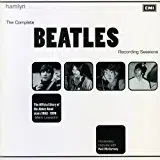
The definitive guide for every Beatles recording sessions from 1962 to 1970. We owe a lot to Mark Lewisohn for the creation of those session pages, but you really have to buy this book to get all the details - the number of takes for each song, who contributed what, a description of the context and how each session went, various photographies... And an introductory interview with Paul McCartney!
The Beatles Recording Reference Manual: Volume 5: Let It Be through Abbey Road (1969 - 1970)

The fifth and final book of this critically acclaimed series, "The Beatles Recording Reference Manual: Volume 5: Let It Be through Abbey Road (1969 - 1970)" follows The Beatles as they "get back to where they once belonged...". Not once, but twice. With "Let It Be", they attempted to recapture the spontaneity of their early years and recordings, while "Abbey Road" was a different kind of return - to the complexity, finish and polish that they had applied to their work beginning with "Revolver" and through to "The Beatles".
Solid State: The Story of "Abbey Road" and the End of the Beatles
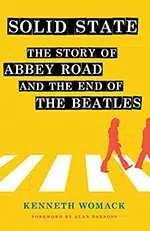
Acclaimed Beatles historian Kenneth Womack offers the most definitive account yet of the writing, recording, mixing, and reception of Abbey Road. In February 1969, the Beatles began working on what became their final album together. Abbey Road introduced a number of new techniques and technologies to the Beatles' sound, and included "Come Together," "Something," and "Here Comes the Sun," which all emerged as classics.
If we modestly consider the Paul McCartney Project to be the premier online resource for all things Paul McCartney, it is undeniable that The Beatles Bible stands as the definitive online site dedicated to the Beatles. While there is some overlap in content between the two sites, they differ significantly in their approach.

Notice any inaccuracies on this page? Have additional insights or ideas for new content? Or just want to share your thoughts? We value your feedback! Please use the form below to get in touch with us.

David Harvey • Jul 11, 2023 • 2 years ago
Geoff Emerick was not working on this session and it’s highly unlikely that he would even have been allowed by EMI to attend sessions that he was not scheduled to work on.
A more likely reason why John didn’t appear on the final recording was being under doctors orders to rest after he and Yoko had come out of hospital plus he never said anything about refusing to play on it out of personal dislike.


