July 6 or 13, 1969 ?
Recording "Que Sera Sera", "Fields of St. Etienne" #2
For Mary Hopkin
Last updated on April 27, 2025
July 6 or 13, 1969 ?
For Mary Hopkin
Last updated on April 27, 2025
Recording studio: EMI Studios, Studio Two, Abbey Road • London • UK
Session Jul 10, 1969 • Recording and mixing "Maxwell's Silver Hammer"
Session July 6 or 13, 1969 ? • Recording "Que Sera Sera", "Fields of St. Etienne" #2
Article Jul 14, 1969 • Paul and Linda McCartney at the UK premiere of “Alfred The Great”
Session Jul 15, 1969 • Recording and mixing "You Never Give Me Your Money"
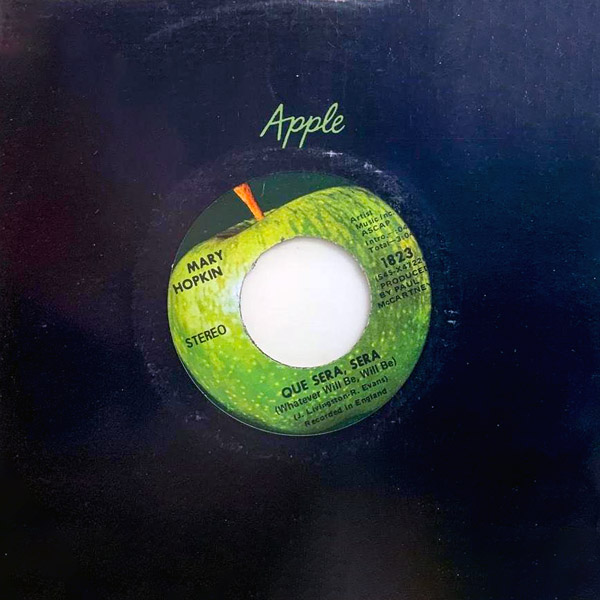
AlbumSome of the songs worked on during this session were first released on the "Que Sera, Sera (Whatever Will Be, Will Be) / Fields Of St Etienne (US)" 7" Single
According to Barry Miles in “The Beatles Diary Volume 1: The Beatles Years,” Paul McCartney produced a recording session with Mary Hopkin at Apple Studios on this day. Author John C. Winn, in “That Magic Feeling: The Beatles’ Recorded Legacy, Volume Two, 1966–1970,” also mentions a possible session “at EMI around the middle of July (perhaps on Monday the fourteenth when no session for ‘Abbey Road’ was held). During this period, Mary took a short vacation at home in Wales while Paul continued work on Beatles sessions.” July 6 is also mentioned as a potential date for this session.
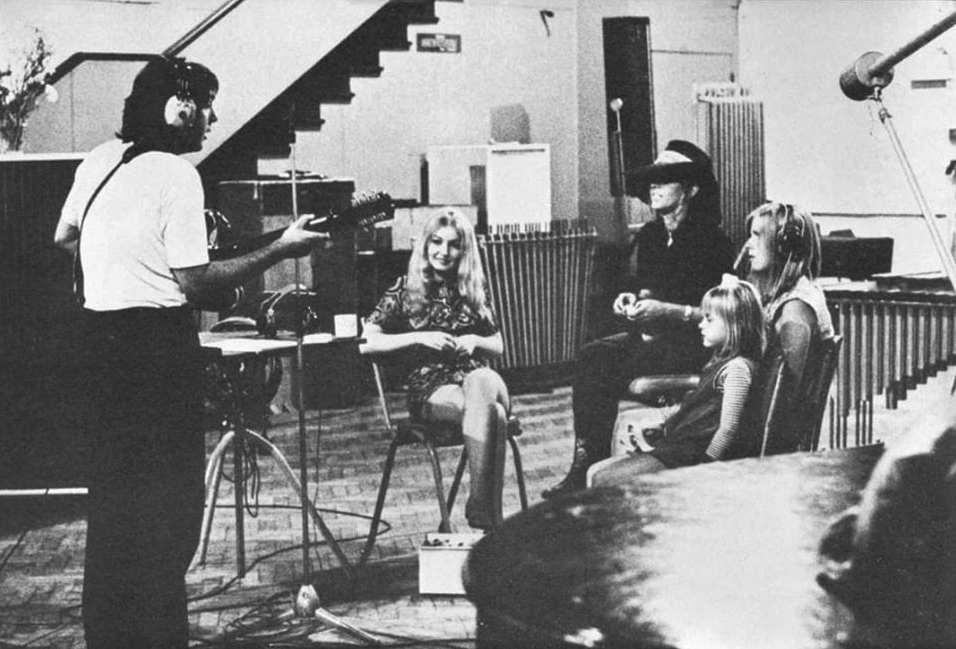
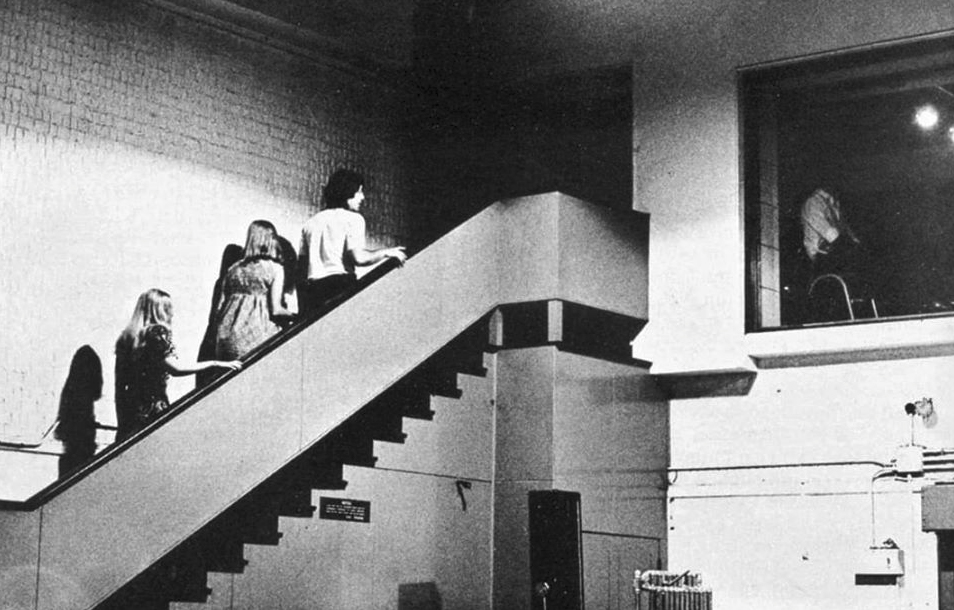
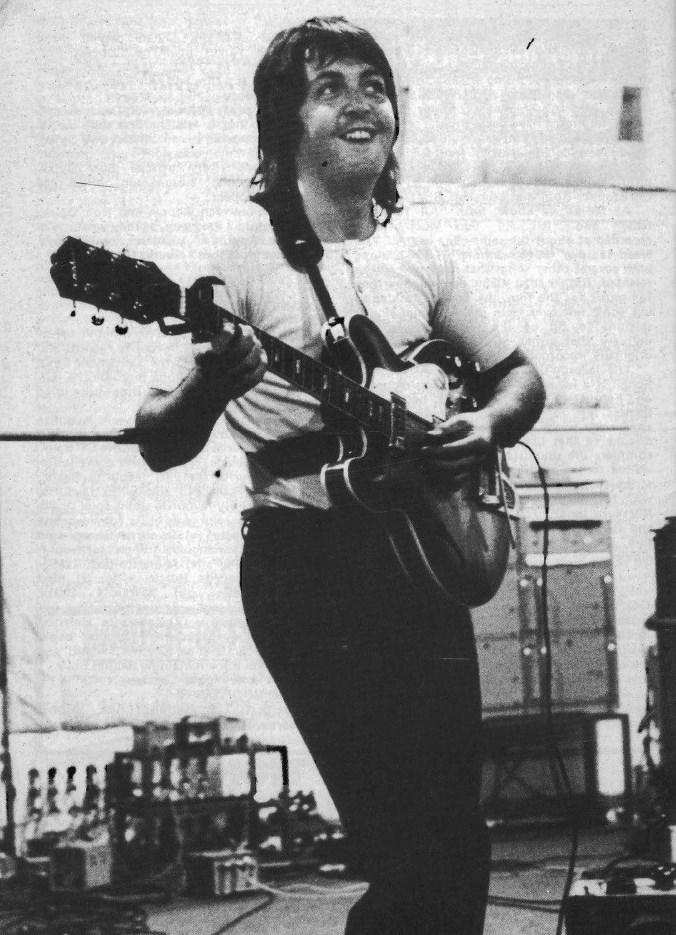
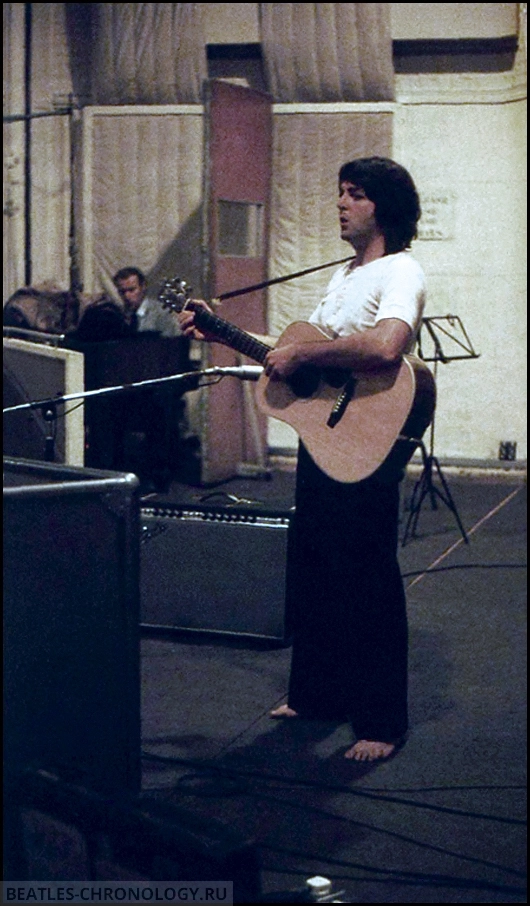
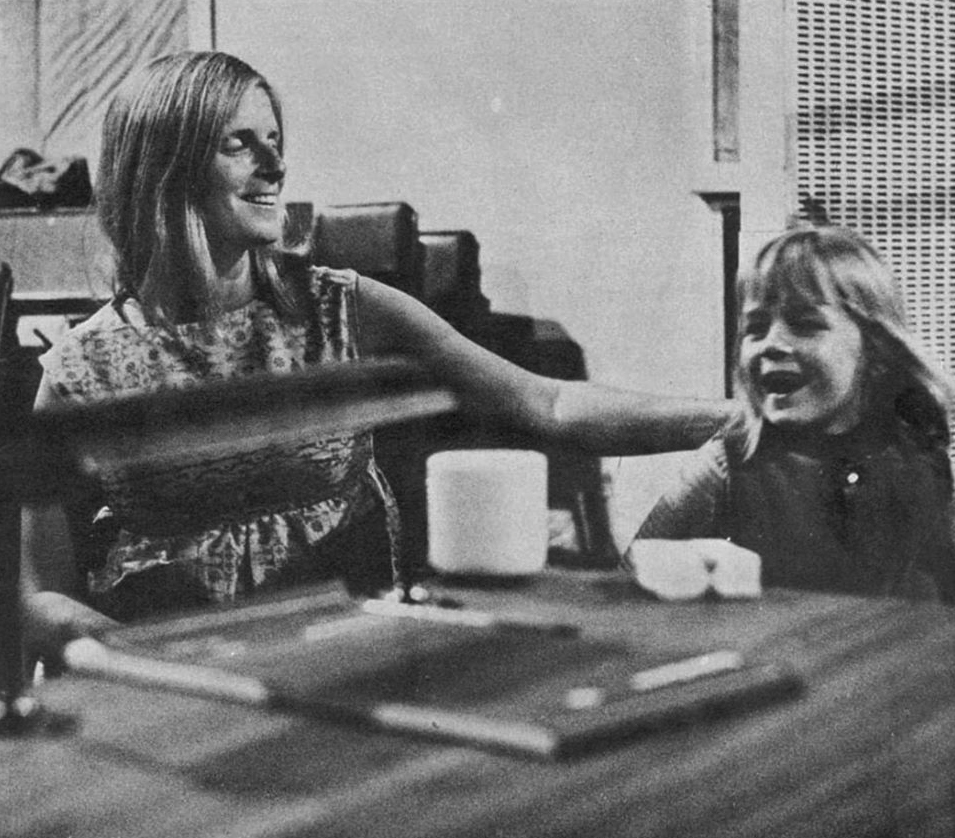
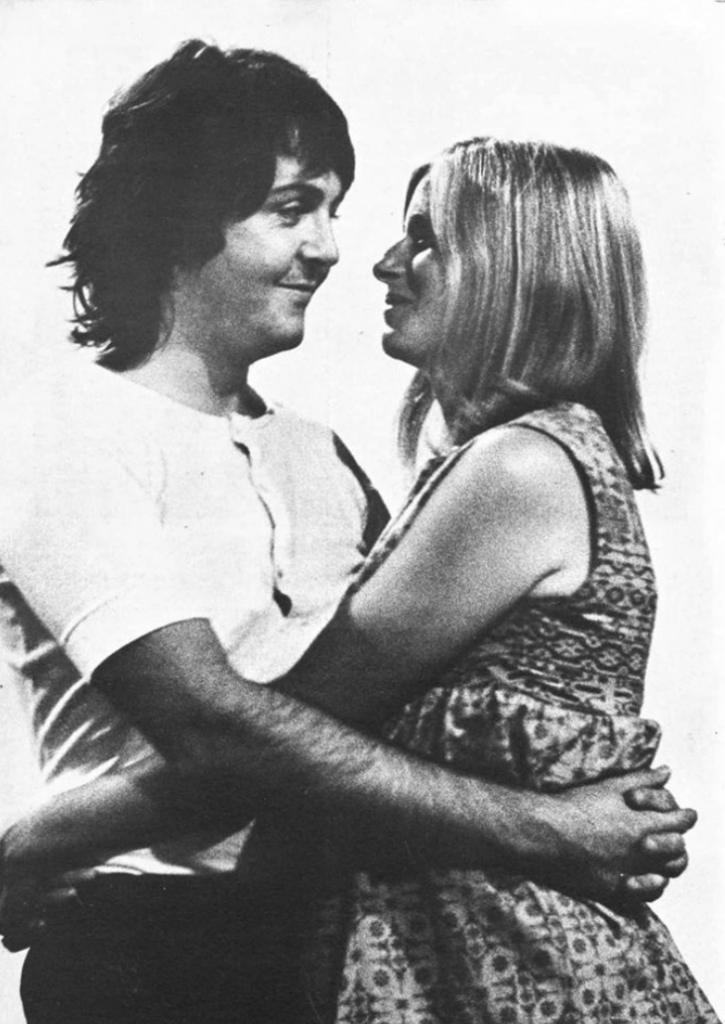
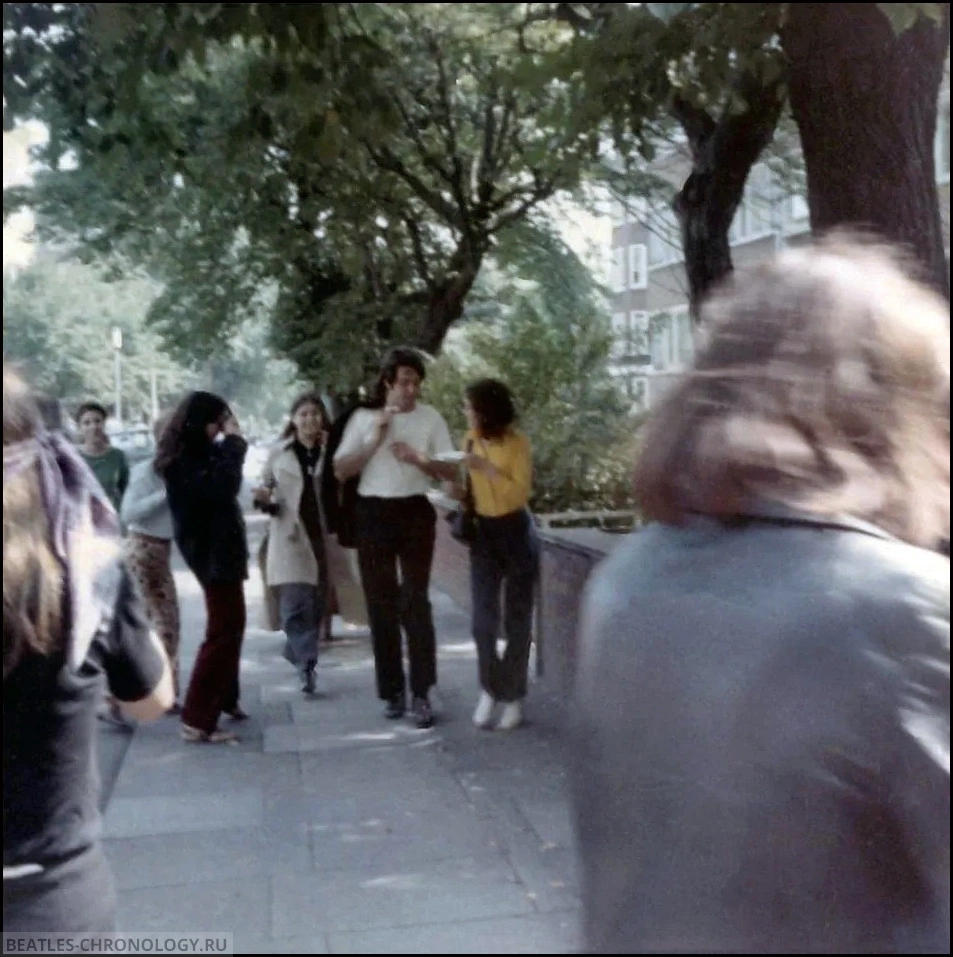
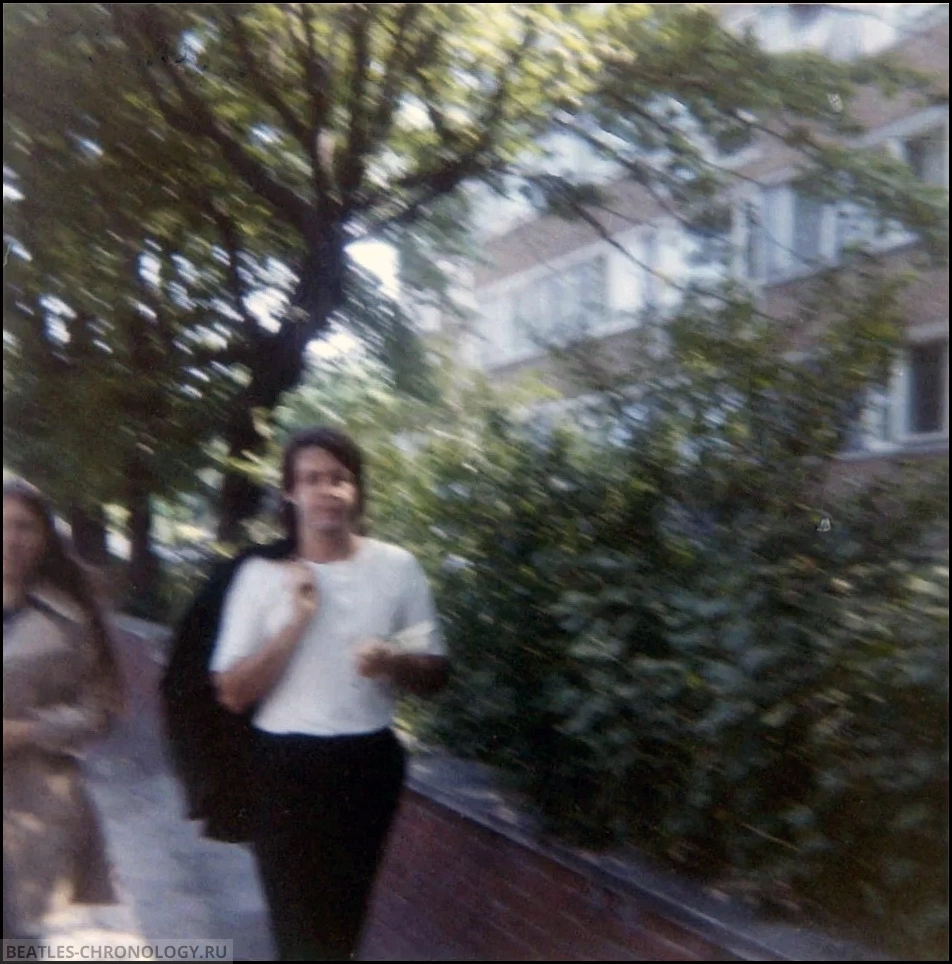
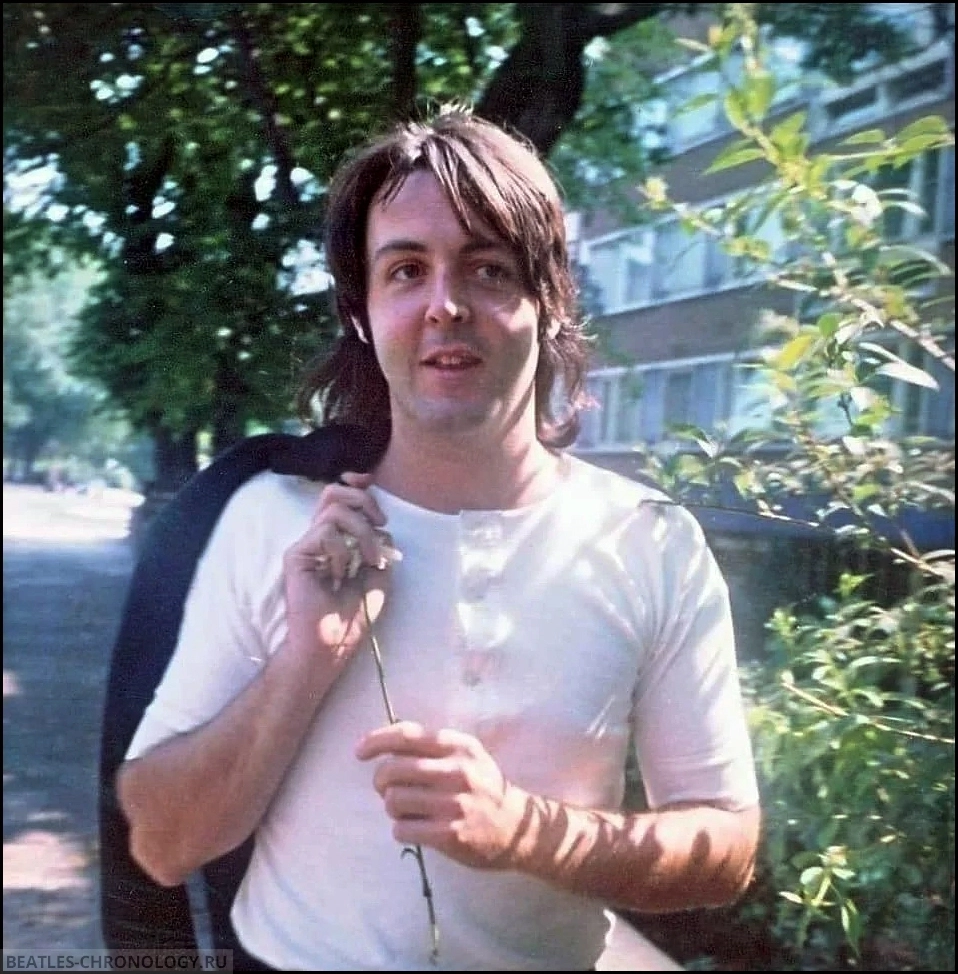
The Beatles Monthly Book, in its August 1969 edition, confirmed that a session with Mary took place in July. It also published several photographs taken at EMI Studio Two, showing Heather, Linda McCartney’s daughter, present in the studio — suggesting that the session likely occurred on a weekend rather than a school day. Based on this, the session can be narrowed down to either Sunday, July 6, or Sunday, July 13.
What is certain is that a follow-up session was held on August 17, 1969, at EMI Studios.
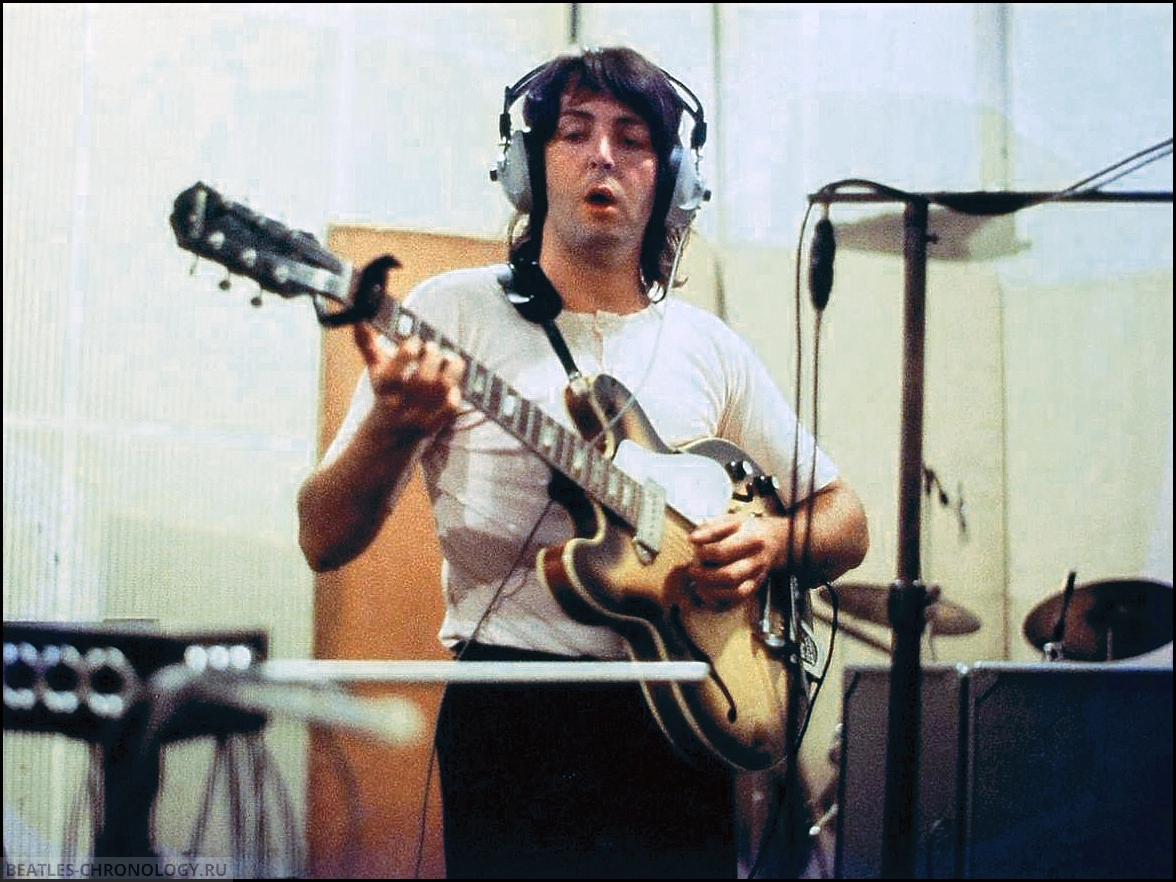
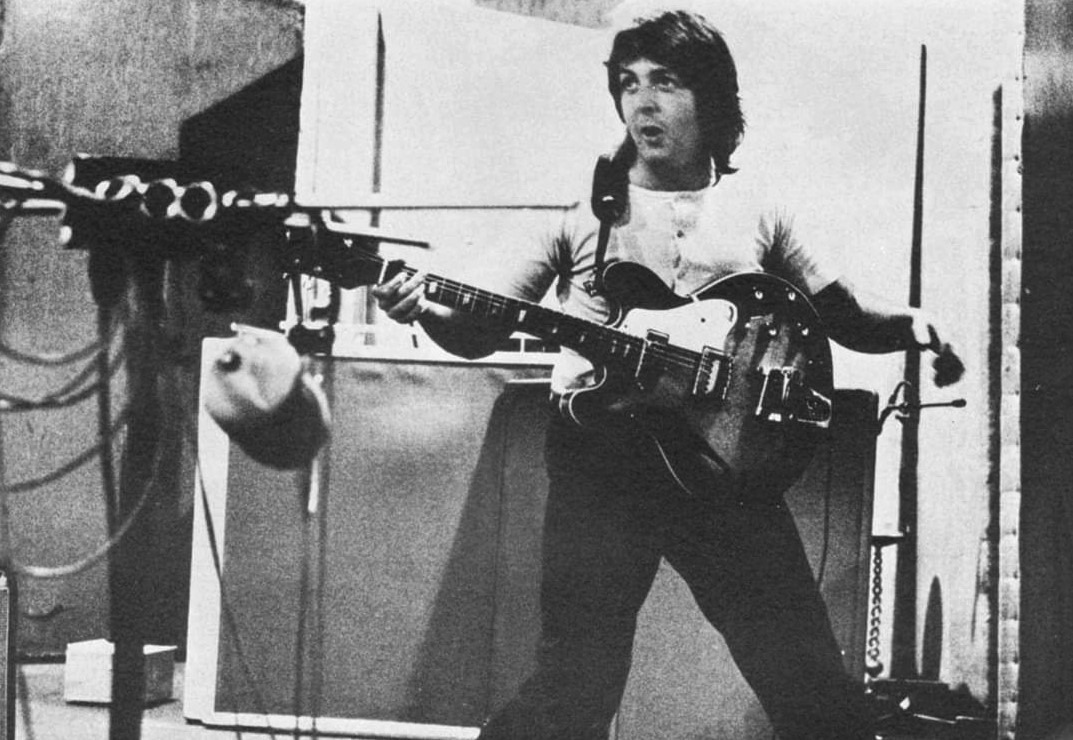
MARY HOPKIN has been recording again in July which has meant that producer PAUL has been doubly active. One day he turned up with a brand new song [sic] for Mary, played it over to her on piano and she recorded it right away with RINGO drumming and Paul playing both bass and electric guitars as accompaniment.
From The Beatles Monthly Book, August 1969
The purpose of these sessions was to record Mary Hopkin’s new single.
Mary’s first two Apple singles, “Those Were The Days” and “Goodbye,” had both been hits. For her third single, Paul McCartney — who had produced the previous singles as well as her first album — suggested she record the Doris Day classic “Que Sera, Sera (Whatever Will Be, Will Be).” Although Mary was not particularly enthusiastic about the choice, she agreed to record it.
The basic track of “Que Sera, Sera (Whatever Will Be, Will Be)” featured Paul on acoustic guitar and Ringo Starr on drums. Paul later overdubbed bass and lead guitar, the latter fed through a Leslie speaker. Mary contributed vocals and additional acoustic guitar.
Tell us about “Que Sera Sera,” the last single Paul produced for you.
At the time, it was just one of Paul’s fun ideas. It was one sunny afternoon, we were sitting in Paul’s garden, and he said, “Do you like this song?” I said, “Well, I used to sing it when I was three!” And he said, “My dad likes it, let’s go and do it.” And so Ringo came along; it was all done in an afternoon. I was sort of swept along with Paul’s enthusiasm, really.
By the time I was halfway through the backing vocals, I said, “This is awful.” I really thought it was dreadful and I didn’t want it released.
Mary Hopkin – Interview with Goldmine Magazine, 1992
As far as I remember, it’s just Paul and Ringo. I don’t think he added anything else. It was all finished in that one afternoon.
Mary Hopkin – Interview with Goldmine Magazine, 1992
For the B-side, she recorded “Fields of St. Etienne,” written by Graham Lyle and Benny Gallagher, two songwriters signed to Apple Publishing. It was the second song she recorded from the Lyle-Gallagher songwriting team that year, following “Sparrow.”
“Fields of St. Etienne” featured Mary’s double-tracked lead vocals, acoustic guitars played by both Mary and Paul, bass by Paul, and drums by Ringo. The recording was completed with contributions from unknown musicians on woodwind instruments and backing vocals.
It remains unclear how the work on “Que Sera Sera” and “Fields of St. Etienne” was divided between the July 6 or 13 session and the August 17 session, or whether any additional sessions were required.

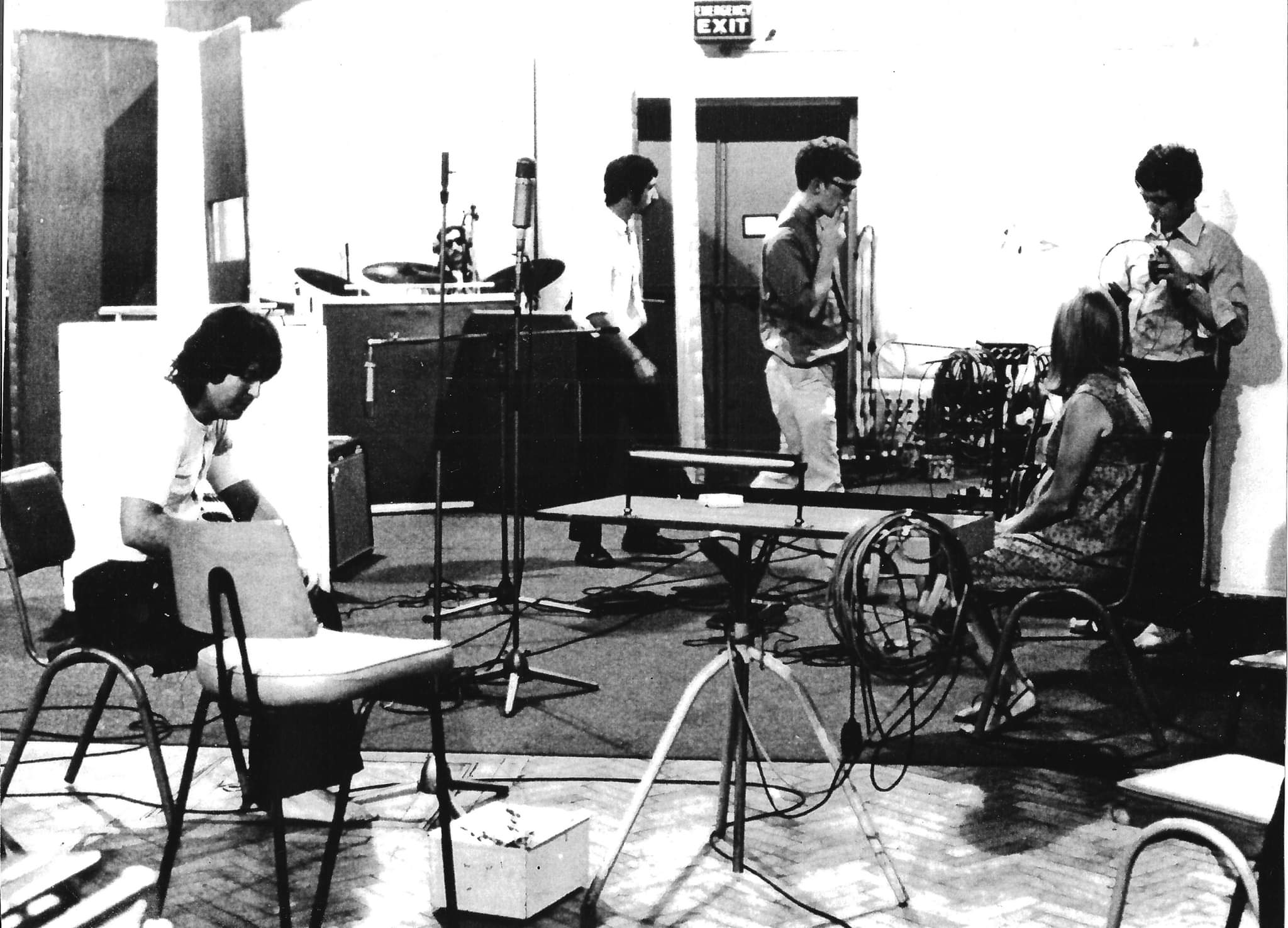
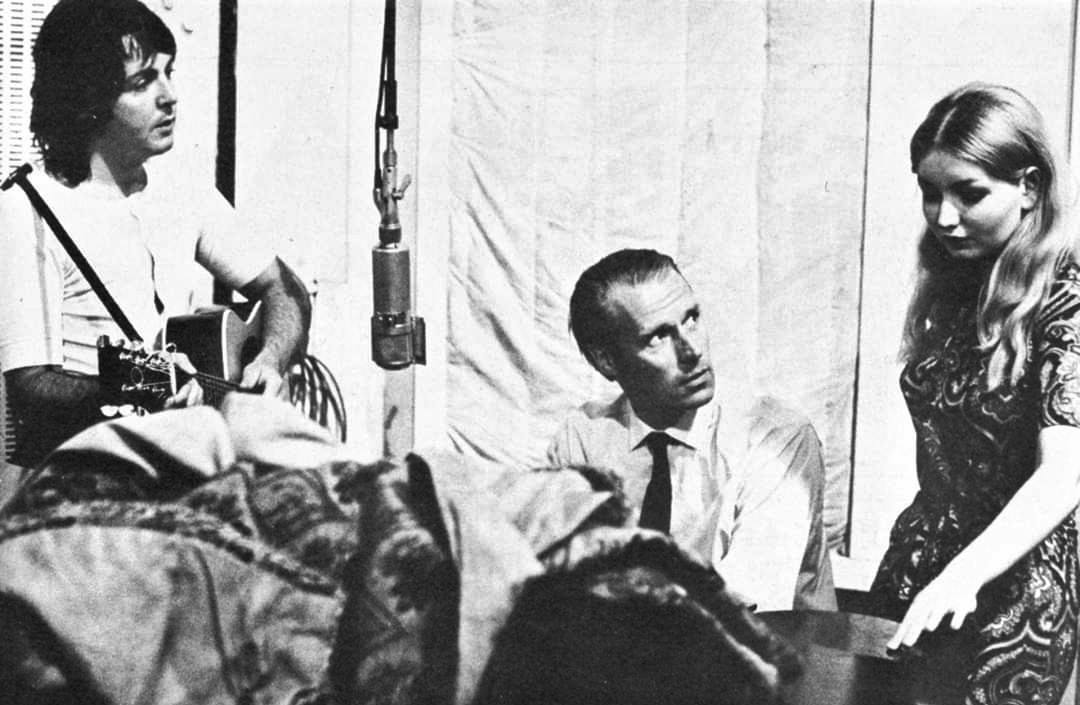
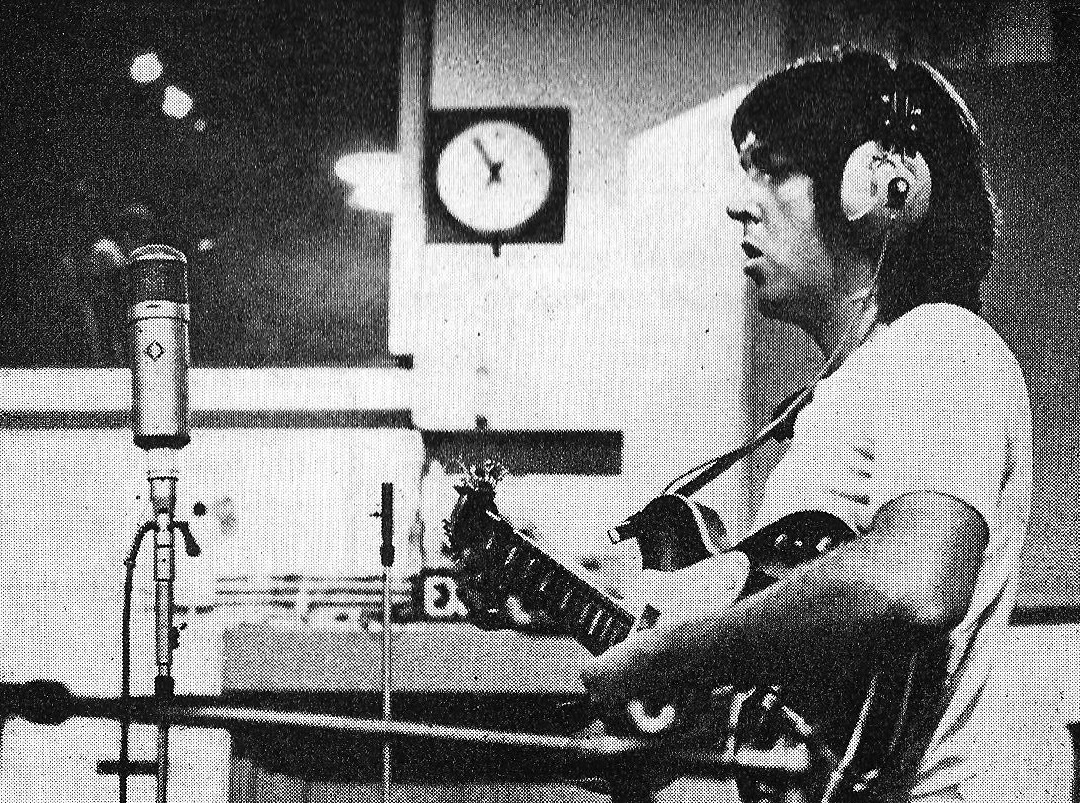
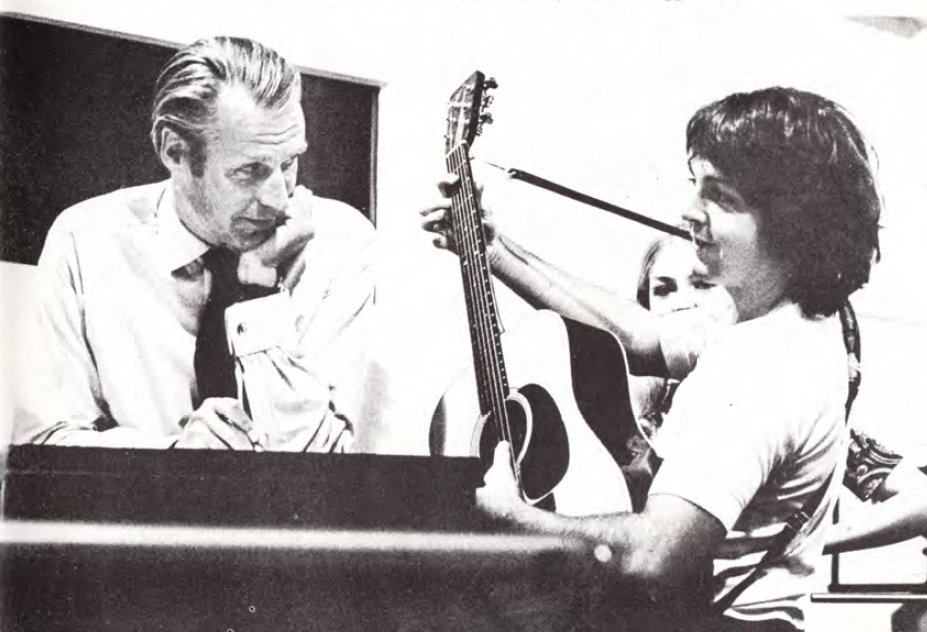

Que Sera, Sera (Whatever Will Be, Will Be)
Written by Jay Livingston, Ray Evans
Recording
Written by Graham Lyle, Benny Gallagher
Recording

Notice any inaccuracies on this page? Have additional insights or ideas for new content? Or just want to share your thoughts? We value your feedback! Please use the form below to get in touch with us.

Marc Starcke • Mar 16, 2024 • 2 years ago
Mary Hopkin Session, Recording: 'Que Sera Sera' / Location: EMI Studios, Abbey Road - Studio Two
6 July 1969

