Thursday, October 22, 1970
Recording "The Back Seat Of My Car", "Rode All Night"
Last updated on October 25, 2025
Thursday, October 22, 1970
Last updated on October 25, 2025

"Ram" sessions (CBS Studios, New York City)
Oct 12 to Nov 20, 1970 • Songs recorded during this session appear on Ram
Recording studio: CBS Studios • New York City • USA
Session Oct 20, 1970 • Recording "The Back Seat Of My Car," "When The Wind Is Blowing"
Session Oct 22, 1970 • Recording "The Back Seat Of My Car", "Rode All Night"
Session Oct 23, 1970 • Recording "The Back Seat Of My Car"
Session Oct 26, 1970 • Recording "Hey Diddle", "A Love For You"
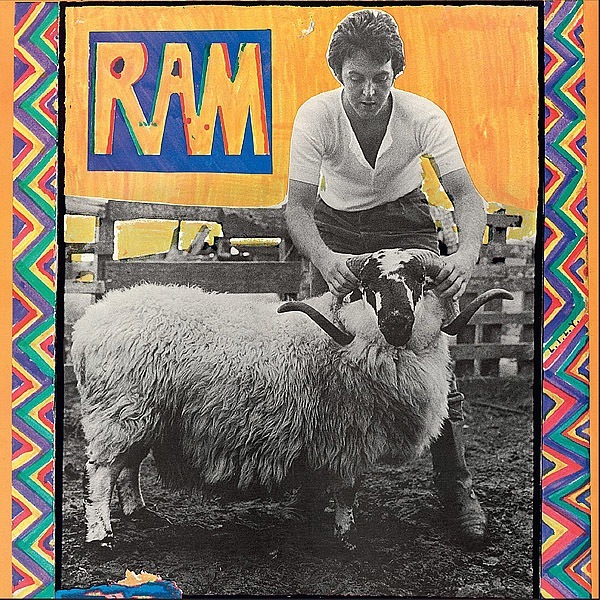
AlbumSome of the songs worked on during this session were first released on the "Ram" LP
The “Ram” sessions began on October 12, 1970, with session musicians by guitarist David Spinozza and drummer Denny Seiwell. Spinozza had assumed he would be needed on a full-time basis, but several sessions were cancelled at the last minute, and Paul and Linda remained vague about the exact days his presence was required.
Uncertain whether he would be needed for the second week, Spinozza accepted another engagement from Wednesday to Friday, leaving Paul in need of a replacement. He turned to Seiwell for suggestions, and the drummer recommended guitarist Hugh McCracken. McCracken had, in fact, been invited to the initial auditions held by Paul on October 10–11, but had been unable to attend as he was working in Florida with Aretha Franklin.
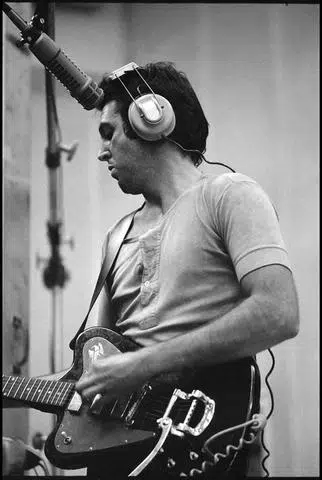
By fortunate coincidence, McCracken was available this Thursday morning and joined the session at 9:00 a.m.
Believing this new appointment to be an audition, he arrived expecting only a trial. When he realized it was a recording session, he apologized and explained he could not stay for the afternoon. Paul, keen to secure his services, asked him to commit to being fully available for the next three weeks — an arrangement McCracken accepted.
Linda asked me to hang on while she put Paul on the phone. Paul simply asked me if I could be in the studio the following morning at nine o’clock. I cancelled the sessions I had and made the date.
Hugh McCracken – From MixOnline, August 1, 2004
On October 20, Paul McCartney (acoustic guitar), David Spinozza (acoustic guitar), and Denny Seiwell (drums) attempted to record “The Back Seat of My Car,” but Paul was unhappy with the results. The song was revisited on this day, with a change of instrumentation: Paul on piano, Hugh McCracken on electric guitar, and Seiwell again on drums. Despite the new arrangement, Paul still felt dissatisfied, and he resolved to try again the following day in search of a suitable backing track.
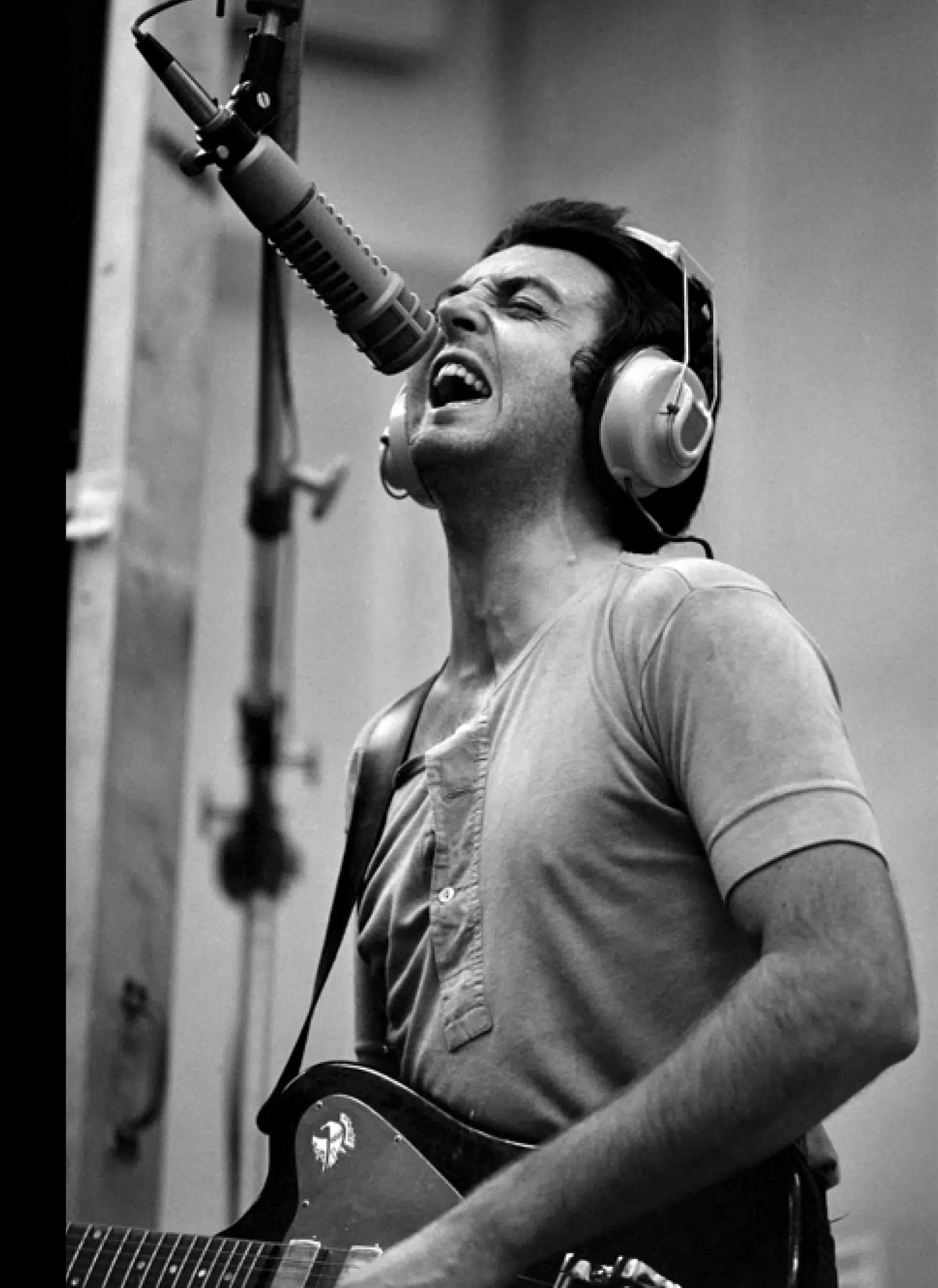
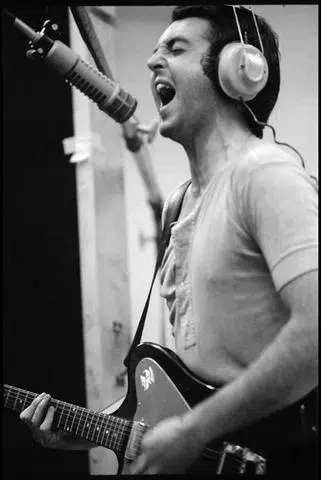
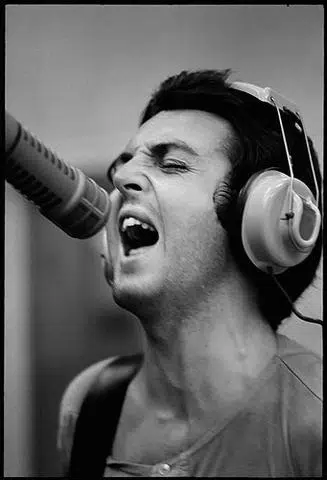
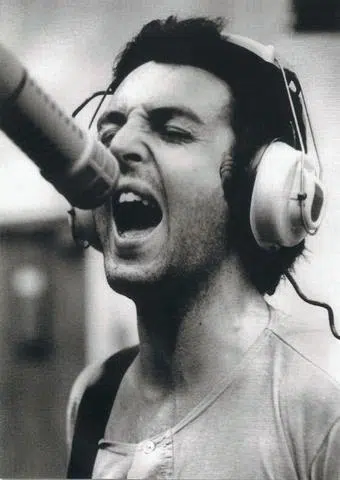
After a late lunch, Paul and Seiwell returned to the studio. Paul decided to launch Denny into a wild, free-form improvisation. The engineering team, thinking the day’s work was over, had already begun dismantling the microphones. In their rush to reassemble the setup, they missed capturing the first take of the spontaneous track that became known as “Rode All Night.”
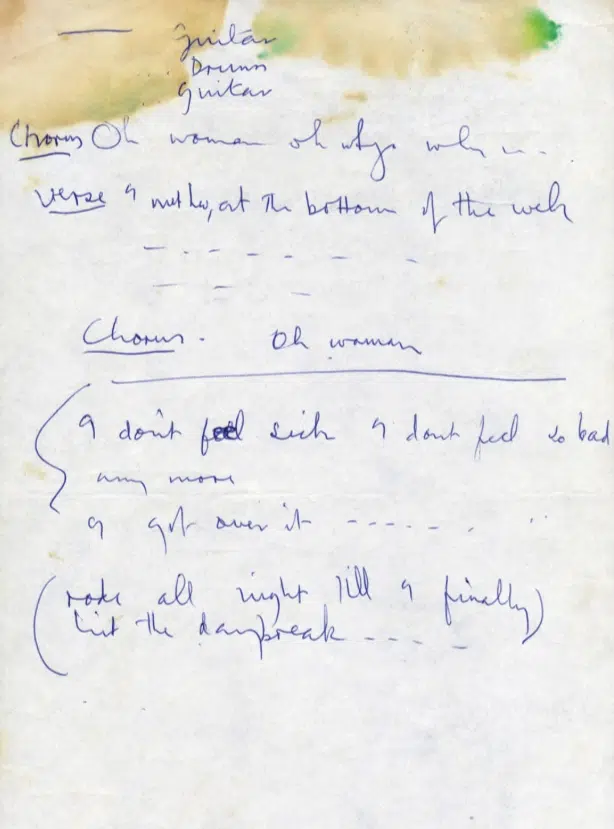
For the second take, Paul sang the line “I rode all night till I finally hit the daybreak,” which was not spontaneous but taken from a sheet with early lyrics for “Oh Woman, Oh Why.”
“Rode All Night” remained unreleased until its inclusion on the “Ram – Archive Collection” in 2012. Paul later reused its melody and lyric for “Giddy,” a song he gave to Roger Daltrey for his third solo album, “One of the Boys,” released in 1977.
The best things are often the free bits, and that gets very tricky. I go out into the studio and I know I’m going to ad-lib. If I announce I’m going to ad-lib, I can’t ad-lib because I’m no longer ad-libbing. So I’ve just got to go out there and improvise, and someone’s got to be in there in the control room very cleverly thinking, ‘He’s going to ad-lib now, I’d better tape it.’ It’s very hard because good things get missed. Last night I was doing a real ad-lib and I was in a great mood and I was exploring what there was to be done — and they missed it. The next time around when they tried the tape, I wasn’t exploring any longer.
Paul McCartney – Interview with Life Magazine, April 16, 1971
I had this idea – not well formed – for the song. I just had a few lyrics, a few chord ideas, and I knew I was going to sort of scream it. So, we came back after lunch and I said, ‘Let’s do this now, come on.’ So, me and Denny just dived into the studio – me on guitar and him on drums – and we did it. We just stormed the whole thing. At the end we were like, ‘Yeah! Great!’ And we looked up the engineer and he was looking a bit puzzled, and he was twiddling the knobs a bit, and then he said: ‘Okay, I’m ready now.’ We went: ‘But that was it! Didn’t you take it?’ He said: ‘No, I was just getting a sound.’ We went ‘Okay’, thinking very dark thoughts. But it was like, ‘What we are going to do, just sulk or do it again?’ So, this the second take.
Paul McCartney – From “Ram – Archive Collection“, 2012
[Paul]’d just come back from lunch that day and had this tune he wanted to jam. The engineers had started tearing down the mics for another session or something. So we started jamming, and it was outrageous. I considered those lyrics, “I rode all night till I finally hit the daybreak.” For me, that represented that he’d found people he really felt comfortable playing with, other than the Beatles. And this was like a major breakthrough. We just about had tears in our eyes, we had so much fun doing this thing. I really felt like something miraculous was going on.
Anyway, we got done after like seven or eight minutes of this thing, Paul looks into the booth and goes, “You got that, right?” And the engineer goes, “I’m ready now. You want to do it again?” We both looked at each other, like, “What the..?” So we did it again. The second take was good, but it didn’t have the magical spark in that first one.
Denny Seiwell – Interview with The Morton Report, May 2012
Written by Paul McCartney
Recording
Written by Paul McCartney
Recording
Paul McCartney: Music Is Ideas. The Stories Behind the Songs (Vol. 1) 1970-1989
With 25 albums of pop music, 5 of classical – a total of around 500 songs – released over the course of more than half a century, Paul McCartney's career, on his own and with Wings, boasts an incredible catalogue that's always striving to free itself from the shadow of The Beatles. The stories behind the songs, demos and studio recordings, unreleased tracks, recording dates, musicians, live performances and tours, covers, events: Music Is Ideas Volume 1 traces McCartney's post-Beatles output from 1970 to 1989 in the form of 346 song sheets, filled with details of the recordings and stories behind the sessions. Accompanied by photos, and drawing on interviews and contemporary reviews, this reference book draws the portrait of a musical craftsman who has elevated popular song to an art-form.
The McCartney Legacy: Volume 1: 1969 – 73

In this first of a groundbreaking multivolume set, THE MCCARTNEY LEGACY, VOL 1: 1969-73 captures the life of Paul McCartney in the years immediately following the dissolution of the Beatles, a period in which McCartney recreated himself as both a man and a musician. Informed by hundreds of interviews, extensive ground up research, and thousands of never-before-seen documents THE MCCARTNEY LEGACY, VOL 1 is an in depth, revealing exploration of McCartney’s creative and personal lives beyond the Beatles.
Eight Arms to Hold You: The Solo Beatles Compendium
Eight Arms To Hold You: The Solo Beatles Compendium is the ultimate look at the careers of John Lennon, Paul McCartney, George Harrison and Ringo Starr beyond the Beatles. Every aspect of their professional careers as solo artists is explored, from recording sessions, record releases and tours, to television, film and music videos, including everything in between. From their early film soundtrack work to the officially released retrospectives, all solo efforts by the four men are exhaustively examined.
Maccazine - Volume 40, Issue 3 - RAM Part 1 - Timeline

This very special RAM special is the first in a series. This is a Timeline for 1970 – 1971 when McCartney started writing and planning RAM in the summer of 1970 and ending with the release of the first Wings album WILD LIFE in December 1971. [...] One thing I noted when exploring the material inside the deluxe RAM remaster is that the book contains many mistakes. A couple of dates are completely inaccurate and the story is far from complete. For this reason, I started to compile a Timeline for the 1970/1971 period filling the gaps and correcting the mistakes. The result is this Maccazine special. As the Timeline was way too long for one special, we decided to do a double issue (issue 3, 2012 and issue 1, 2013).

Notice any inaccuracies on this page? Have additional insights or ideas for new content? Or just want to share your thoughts? We value your feedback! Please use the form below to get in touch with us.