
Released in 1971
The Back Seat Of My Car
Written by Paul McCartney
Last updated on September 13, 2025
Released in 1971
Written by Paul McCartney
Last updated on September 13, 2025
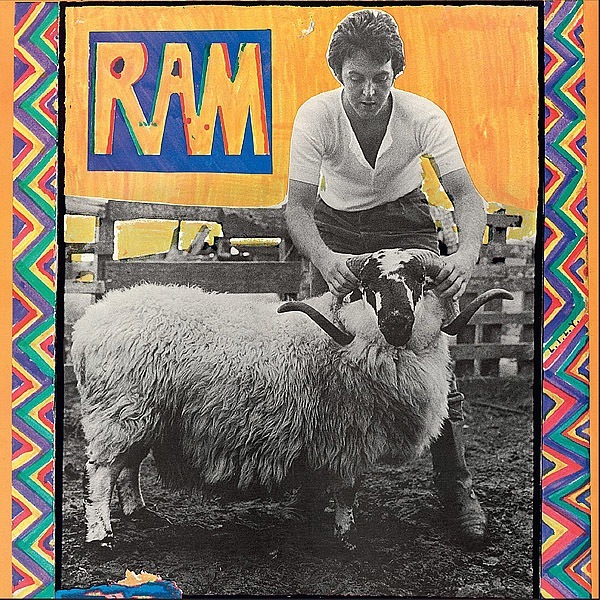
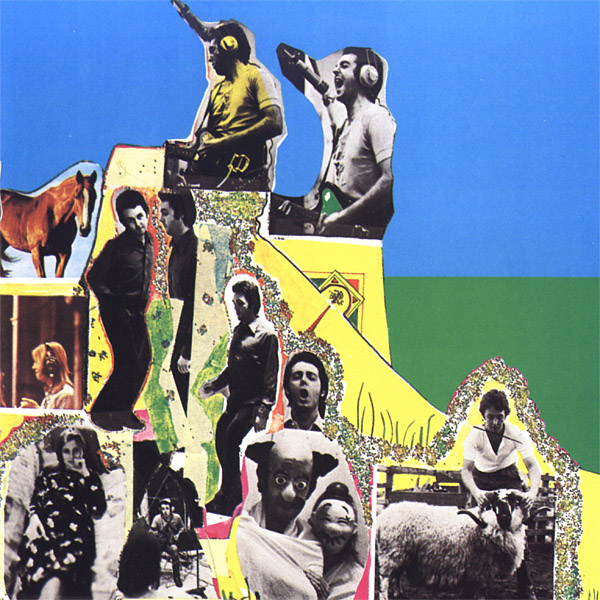
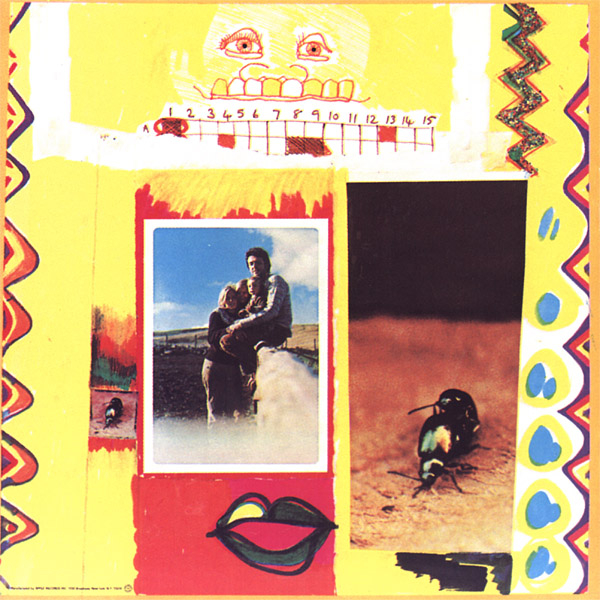
Album This song officially appears on the Ram LP.
Timeline This song was officially released in 1971
Timeline This song was written, or began to be written, in 1969, when Paul McCartney was 27 years old)
This song was recorded during the following studio sessions:

Paul McCartney On His Not-So-Silly Love Songs
Mar 16, 2001 • From Billboard

Jan 01, 2005

Paul McCartney Talks VIP Soundcheck Shows: 'It's a Tribal Ritual'
Aug 15, 2016 • From RollingStone

Paul and Linda McCartney go and live in Scotland for four months
May 1 - August 1970
From Wikipedia:
“The Back Seat of My Car” is a song written by Paul McCartney, released as the closing track of his and his wife Linda’s 1971 album, Ram. Several months later, it was released as a single in the UK, peaking at number 39. The song modulates stylistically between a sweeping piano-and-orchestra ballad similar to McCartney’s “The Long and Winding Road” and upbeat rock sections before ending in a raucous and passionate finale.
Background
“The Back Seat of My Car” has its origins as an unfinished concept from a holiday McCartney took with then-girlfriend Maggie McGivern in Sardinia in summer 1968. It was one of several compositions Paul McCartney presented to the Beatles in January 1969 during their Get Back rehearsals at Twickenham Film Studios in London. Played on 14 January, the song was still a work-in-progress, with the lyrics unfinished while the song’s melody was well developed.
According to McCartney, this song and other car-based songs in his late-Beatles and early solo career, such as “Two of Us” and “Helen Wheels,” were inspired by the long road trips he and Linda used to take as the Beatles were breaking up. Most of the song is a piano-based ballad, but it is interspersed with orchestral sections and sections inspired by 50s-style rock ‘n’ roll. Allmusic critic Stewart Mason likens the main tune to those of McCartney’s Beatle songs “Two of Us” and “You Never Give Me Your Money.” Mason compares the effect of the various song sections to the medley from the Beatles Abbey Road and to some of the Beach Boys’ post-Pet Sounds work. McCartney said of the song:
“Back Seat of My Car” is the ultimate teenage song, and even though it was a long time since I was a teenager and had to go to a girl’s dad and explain myself, it’s that kind of meet-the-parents song. It’s a good old driving song. [Sings] “We can make it to Mexico City.” I’ve never driven to Mexico City, but it’s imagination. And obviously “back seat” is snogging, making love.
McCartney further stated that “That’s a really teenage song, with the stereotypical parent who doesn’t agree, and the two lovers are going to take on the world: ‘We believe that we can’t be wrong.’ I always like the underdog.”
Recording
Recording for Ram began in October 1970 at CBS Recording Studios in New York City. The typical format for a recording session included McCartney, drummer Denny Seiwell and guitarist David Spinozza or Hugh McCracken rehearsing a song in the morning and then recording the basic track in the afternoon and evening. Other guitar parts would be overdubbed, along with bass by McCartney. McCartney, Seiwell and McCracken recorded the instrumental backing and vocals for “The Back Seat of My Car” on 22 October 1970.
After recording the album’s basic tracks, the McCartneys went to Phil Ramone’s A & R Recording Studio in New York to record violin, cello and horn overdubs for several songs, including “The Back Seat of My Car”. Beatles producer George Martin scored the song’s orchestral overdubs, and McCartney conducted members of the New York Philharmonic in a mid-January 1971 session.
In March and April 1971, the McCartneys and sometimes Seiwell mixed the album at Sound City Studios in Los Angeles. The single version and the mono mix made for the LP differ slightly, with the latter’s fade out described by authors Chip Madinger and Mark Easter as “much smoother”, though as the two fade outs remain the same, the difference could be due to the dynamic range compression used in mastering the single.
Release and reception
Apple Records released Ram in the US on 17 May 1971 and in the UK eleven days later, with “The Back Seat of My Car” sequenced as the closing track. Apple released different singles from the album in the British, American and European markets, with “The Back Seat of My Car” released in the UK on 13 August 1971, backed with “Heart of the Country“. While the US single “Uncle Albert/Admiral Halsey” reached number one, “The Back Seat of My Car” disappointed, peaking at number 39 in the UK charts.
Author Chris Ingham describes “The Back Seat of My Car” as an “earthily romantic paean to teenage sex”. Praising Ram for its lush orchestration and “playful verve”, author Peter Doggett opines that the album’s culmination in the mini-suite “The Back Seat of My Car” is “a triumph of pop arrangement”. Music critic Tim Riley describes Ram as both frivolous and the most reminiscent of Sgt. Pepper’s Lonely Hearts Club Band of all the Beatles’ solo albums, but adds that “The Back Seat of My Car” is closer to “Two of Us” than “A Day in the Life“. He counts it and the opening track “Too Many People“, as the ones which “deserve” McCartney’s bass playing.
John Lennon felt that this song, among others on the album, was directed critically towards him; in particular, he perceived the protagonists who sing “We believe that we can’t be wrong” to be himself and Yoko Ono. AllMusic critic Stewart Mason claims that in the context of the criticism McCartney was receiving in the aftermath of the Beatles breakup, this line sounds more like a “statement of personal intent” than the declaration of love it could be in the context of the song’s lyrics themselves.
In a contemporary review for Ram, Jon Landau of Rolling Stone described “The Back Seat of My Car” as one of only two good songs he enjoyed on the album, the other being “Eat at Home“. Landau further described the song as “the album’s production number”.
Critic Stephen Thomas Erlewine of AllMusic said the song demonstrated the “imaginative and gorgeous” arrangements on Ram and called the song its “sad, soaring finale.” Mason considers it to be the “true highlight” of Ram. According to Ultimate Classic Rock critic Nick DeRiso, the song “is a little unfocused—too overstuffed with ideas, too reliant on multi-tracked McCartneys, not as rustic as his solo debut but somehow tossed-off sounding anyway—and simply too long” but is also “gutsy and unprecious at one point and then a testament to McCartney’s enduring pop sensibilities at others.” DeRiso also states that “As McCartney bolts from ’50s-era rock to cocktail-lounge crooning to swooning violins, and back again—all inside of this one final tune, mind you—there is a sense of limitless possibility.
It was also included on The 7″ Singles Box in 2022.
Personnel
According to Chip Madinger and Mark Easter, except where noted:
References
Citations
Sources
“The Back Seat Of My Car” is the last track of 1971 “Ram” album, by Paul & Linda McCartney. From Wikipedia:
[…] The song modulates stylistically between a sweeping piano-and-orchestra ballad similar to McCartney’s “The Long and Winding Road” and upbeat rock sections before ending in a raucous and passionate finale.
McCartney first presented this composition for The Beatles’ consideration during the Get Back rehearsals on 14 January 1969 at Twickenham Film Studios in London, but the album was aborted before anything could be done with the song, which eventually did not make it onto Let It Be either.
According to McCartney, this song and other car-based songs in his late-Beatles and early solo career, such as “Two of Us” and “Helen Wheels,” were inspired by the long road trips he and Linda used to take as the Beatles were breaking up. Most of the song is a piano-based ballad. But it is interspersed with orchestral sections and sections inspired by 50s-style rock ‘n’ roll. Allmusic critic Stewart Mason likens the main tune to those of McCartney’s Beatle songs “Two of Us” and “You Never Give Me Your Money.” Mason compares the effect of the various song sections to the medley from the Beatles Abbey Road and to some of the Beach Boys’ post-Pet Sounds work. […]
John Lennon felt that this song, among others on the album, was directed critically towards him; in particular, he perceived the protagonists who sing “We believe that we can’t be wrong” to be himself and Yoko Ono. Allmusic critic Stewart Mason claims that in the context of the criticism McCartney was receiving in the aftermath of the Beatles breakup, this line sounds more like a “statement of personal intent” than the declaration of love it could be in the context of the song’s lyrics themselves.
In a contemporary review for RAM, Jon Landau of Rolling Stone described “The Back Seat of My Car” as one of only two good songs he enjoyed on the album, the other being “Eat at Home“. Landau further described the song as “the album’s production number“.
Critic Stephen Thomas Erlewine of Allmusic said the song demonstrated the “imaginative and gorgeous” arrangements on Ram and called the song its “sad, soaring finale.” Mason considers it to be the “true highlight” of Ram.
“Back Seat of My Car” is the ultimate teenage song, and even though it was a long time since I was a teenager and had to go to a girl’s dad and explain myself, it’s that kind of meet-the-parents song. It’s a good old driving song. [Sings] “We can make it to Mexico City.” I’ve never driven to Mexico City, but it’s imagination. And obviously “back seat” is snogging, making love.
Paul McCartney, “Paul McCartney On His Not-So-Silly Love Songs”. Billboard.
From mixing engineering Eirik Wangberg:
We did lots of overdubbing, such as brand new bass and guitar tracks. Plus, I edited the orchestral bit at the end of the song and, following Paul’s taste, mix the drums to the fore. Other cool bits were done, such adding more vocals such as the improvisation and ad-libs that we superimposed almost syllable by syllable.
Engineer Eirik Wangberg, interviewed by Claudio Dirani, 2005
In 2005, “The Back Seat Of My Car” received the remix treatment of DJ Hellraiser, and was released on the “Twin Freaks” album.
“The Back Seat of My Car” is the ultimate teenage song, and even though it was a long time since I was a teenager and had to go to a girl’s dad and explain myself, it’s that kind of meet-the-parents song. It’s a good old driving song. [Sings] “We can make it to Mexico City.” I’ve never driven to Mexico City, but it’s imagination. And obviously “back seat” is snogging, making love.
Paul McCartney – Interview with Billboard, March 2001
Speeding along the highway, honey I want it my way,
But listen to her daddy's song,
Don't stay out too long,
Were just busy hidin', sittin' in the back seat of my car.
Lookin' all around and all about
Lookin' all around and all about
The maze of lights are pretty, we may end up in Mexico City,
But listen to her daddy's song, making love is wrong,
We're just busy ridin', sittin' in the back seat of my car.
For we was only hidin', sitting in the back seat of my car,
And when we've finished drivin' we can say we were late in arrivin',
And listen to her daddy's song,
We believe that we can't be wrong,
Ah we believe that we can't be wrong,
Ah we believe that we can't be wrong.
We can make it to Mexico City, sittin' in the backseat of my car.
Ah we believe that we can't be wrong,
Ah we believe that we can't be wrong,
Ah we believe that we can't be wrong,
No no no,
No we believe that we can't be wrong.

Official album • Released in 1971
4:30 • Studio version • B • Mono
Paul McCartney : Backing vocals, Bass, Electric guitar, Piano, Producer, Vocals Linda Eastman / McCartney : Backing vocals, Producer Denny Seiwell : Drums Hugh McCracken : Electric guitar Eirik Wangberg : Mix engineer Phil Ramone : Recording engineer Marvin Stamm : Horns Mel Davis : Horns Ray Crisara : Horns Snooky Young : Horns Ron Carter : Double bass David Nadien : Violin The New York Philharmonic Orchestra : Horns, Strings Jim Guercio : Recording engineer Tim Geelan : Recording engineer Ted Brosnan : Assistant recording engineer Dixon Van Winkle : Assistant recording engineer Armin Steiner : Recording engineer
SessionRecording : Oct 22, 1970 • Studio : CBS Studios, New York City
SessionOverdubs : Jan 11, 1971 • Studio : A&R Studios, New York City
SessionOverdubs : March-April 1971 • Studio : Sunset Sound Recorders Studio, Los Angeles, USA
SessionMixing : March-April 1971 • Studio : Sunset Sound Recorders Studio, Los Angeles, USA
Credits & recording details courtesy of Luca Perasi • From the books "Paul McCartney: Music Is Ideas. The Stories Behind the Songs" • Buy Volume 1 (1970-1989) and Volume 2 (1990-2012) on Amazon
LP • Released in 1971
4:30 • Studio version • A • Stereo
Paul McCartney : Backing vocals, Bass, Electric guitar, Piano, Producer, Vocals Linda Eastman / McCartney : Backing vocals, Producer Denny Seiwell : Drums Hugh McCracken : Electric guitar Eirik Wangberg : Mix engineer Phil Ramone : Recording engineer Marvin Stamm : Horns Mel Davis : Horns Ray Crisara : Horns Snooky Young : Horns Ron Carter : Double bass David Nadien : Violin The New York Philharmonic Orchestra : Horns, Strings Jim Guercio : Recording engineer Tim Geelan : Recording engineer Ted Brosnan : Assistant recording engineer Dixon Van Winkle : Assistant recording engineer Armin Steiner : Recording engineer
SessionRecording : Oct 22, 1970 • Studio : CBS Studios, New York City
SessionOverdubs : Jan 11, 1971 • Studio : A&R Studios, New York City
SessionOverdubs : March-April 1971 • Studio : Sunset Sound Recorders Studio, Los Angeles, USA
SessionMixing : March-April 1971 • Studio : Sunset Sound Recorders Studio, Los Angeles, USA
Credits & recording details courtesy of Luca Perasi • From the books "Paul McCartney: Music Is Ideas. The Stories Behind the Songs" • Buy Volume 1 (1970-1989) and Volume 2 (1990-2012) on Amazon

The Back Seat of My Car / Heart Of The Country
7" Single • Released in 1971
4:30 • Studio version • A
Paul McCartney : Backing vocals, Bass, Electric guitar, Piano, Producer, Vocals Linda Eastman / McCartney : Backing vocals, Producer Denny Seiwell : Drums Hugh McCracken : Electric guitar Eirik Wangberg : Mix engineer Phil Ramone : Recording engineer Marvin Stamm : Horns Mel Davis : Horns Ray Crisara : Horns Snooky Young : Horns Ron Carter : Double bass David Nadien : Violin The New York Philharmonic Orchestra : Horns, Strings Jim Guercio : Recording engineer Tim Geelan : Recording engineer Ted Brosnan : Assistant recording engineer Dixon Van Winkle : Assistant recording engineer Armin Steiner : Recording engineer
SessionRecording : Oct 22, 1970 • Studio : CBS Studios, New York City
SessionOverdubs : Jan 11, 1971 • Studio : A&R Studios, New York City
SessionOverdubs : March-April 1971 • Studio : Sunset Sound Recorders Studio, Los Angeles, USA
SessionMixing : March-April 1971 • Studio : Sunset Sound Recorders Studio, Los Angeles, USA
Credits & recording details courtesy of Luca Perasi • From the books "Paul McCartney: Music Is Ideas. The Stories Behind the Songs" • Buy Volume 1 (1970-1989) and Volume 2 (1990-2012) on Amazon

LP • Released in 1977
4:51 • Studio version • C • Stereo • Instrumental version
Percy "Thrills" Thrillington : Producer Richard Hewson : Arrangements, Orchestration Tony Clark : Mixing engineer, Recording engineer Vic Flick : Guitar Clem Cattini : Drums Herbie Flowers : Bass Steve Gray : Piano Jim Lawless : Percussion Alan Parsons : Second engineer Unknown : Horns, Recorder, Saxophone, Strings Carl Dolmetsch Family : Recorders
SessionRecording : Jun 15, 1971 • Studio : EMI Studios, Studio Two, Abbey Road
SessionOverdubs : Jun 16, 1971 • Studio : EMI Studios, Studio Two, Abbey Road
SessionOverdubs : Jun 17, 1971 • Studio : EMI Studios, Studio One, Abbey Road
SessionMixing : Jun 18, 1971 • Studio : EMI Studios, Abbey Road

Official album • Released in 1993
4:30 • Studio version • A1993.1 • 1993 remaster by Steve Hoffman
Paul McCartney : Backing vocals, Bass, Electric guitar, Piano, Producer, Vocals Linda Eastman / McCartney : Backing vocals, Producer Denny Seiwell : Drums Hugh McCracken : Electric guitar Eirik Wangberg : Mix engineer Phil Ramone : Recording engineer Marvin Stamm : Horns Mel Davis : Horns Ray Crisara : Horns Snooky Young : Horns Ron Carter : Double bass David Nadien : Violin The New York Philharmonic Orchestra : Horns, Strings Jim Guercio : Recording engineer Tim Geelan : Recording engineer Ted Brosnan : Assistant recording engineer Dixon Van Winkle : Assistant recording engineer Armin Steiner : Recording engineer Steve Hoffman : Remastering
SessionRecording : Oct 22, 1970 • Studio : CBS Studios, New York City
SessionOverdubs : Jan 11, 1971 • Studio : A&R Studios, New York City
SessionOverdubs : March-April 1971 • Studio : Sunset Sound Recorders Studio, Los Angeles, USA
SessionMixing : March-April 1971 • Studio : Sunset Sound Recorders Studio, Los Angeles, USA
Credits & recording details courtesy of Luca Perasi • From the books "Paul McCartney: Music Is Ideas. The Stories Behind the Songs" • Buy Volume 1 (1970-1989) and Volume 2 (1990-2012) on Amazon

CD • Released in 1993
4:30 • Studio version • A1993 • Stereo • 1993 remaster
Paul McCartney : Backing vocals, Bass, Electric guitar, Piano, Producer, Vocals Linda Eastman / McCartney : Backing vocals, Producer Denny Seiwell : Drums Hugh McCracken : Electric guitar Eirik Wangberg : Mix engineer Phil Ramone : Recording engineer Marvin Stamm : Horns Mel Davis : Horns Ray Crisara : Horns Snooky Young : Horns Ron Carter : Double bass David Nadien : Violin The New York Philharmonic Orchestra : Horns, Strings Jim Guercio : Recording engineer Tim Geelan : Recording engineer Ted Brosnan : Assistant recording engineer Dixon Van Winkle : Assistant recording engineer Peter Mew : Remastering Armin Steiner : Recording engineer
SessionRecording : Oct 22, 1970 • Studio : CBS Studios, New York City
SessionOverdubs : Jan 11, 1971 • Studio : A&R Studios, New York City
SessionOverdubs : March 1971 • Studio : Sunset Sound Recorders Studio, Los Angeles, USA
SessionMixing : March-April 1971 • Studio : Sunset Sound Recorders Studio, Los Angeles, USA
Credits & recording details courtesy of Luca Perasi • From the books "Paul McCartney: Music Is Ideas. The Stories Behind the Songs" • Buy Volume 1 (1970-1989) and Volume 2 (1990-2012) on Amazon

CD • Released in 1995
4:51 • Studio version • C1995 • Stereo • Instrumental version. 1995 remaster
Percy "Thrills" Thrillington : Producer Richard Hewson : Arrangements, Orchestration Tony Clark : Mixing engineer, Recording engineer Vic Flick : Guitar Clem Cattini : Drums Herbie Flowers : Bass Steve Gray : Piano Jim Lawless : Percussion Alan Parsons : Second engineer Unknown : Horns, Recorder, Saxophone, Strings Carl Dolmetsch Family : Recorders
SessionRecording : Jun 15, 1971 • Studio : EMI Studios, Studio Two, Abbey Road
SessionOverdubs : Jun 16, 1971 • Studio : EMI Studios, Studio Two, Abbey Road
SessionOverdubs : Jun 17, 1971 • Studio : EMI Studios, Studio One, Abbey Road
SessionMixing : Jun 18, 1971 • Studio : EMI Studios, Abbey Road

Wingspan: Hits & History [CD Sampler]
Official album • Released in 2001
4:29 • Studio version • A
Paul McCartney : Backing vocals, Bass, Electric guitar, Piano, Producer, Vocals Linda Eastman / McCartney : Backing vocals, Producer Denny Seiwell : Drums Hugh McCracken : Electric guitar Eirik Wangberg : Mix engineer Phil Ramone : Recording engineer Marvin Stamm : Horns Mel Davis : Horns Ray Crisara : Horns Snooky Young : Horns Ron Carter : Double bass David Nadien : Violin The New York Philharmonic Orchestra : Horns, Strings Jim Guercio : Recording engineer Tim Geelan : Recording engineer Ted Brosnan : Assistant recording engineer Dixon Van Winkle : Assistant recording engineer Armin Steiner : Recording engineer
SessionRecording : Oct 22, 1970 • Studio : CBS Studios, New York City
SessionOverdubs : Jan 11, 1971 • Studio : A&R Studios, New York City
SessionOverdubs : March-April 1971 • Studio : Sunset Sound Recorders Studio, Los Angeles, USA
SessionMixing : March-April 1971 • Studio : Sunset Sound Recorders Studio, Los Angeles, USA
Credits & recording details courtesy of Luca Perasi • From the books "Paul McCartney: Music Is Ideas. The Stories Behind the Songs" • Buy Volume 1 (1970-1989) and Volume 2 (1990-2012) on Amazon

Wingspan Hits And History (US version)
Official album • Released in 2001
4:30 • Studio version • A2001 • 2001 remaster
Paul McCartney : Backing vocals, Bass, Electric guitar, Piano, Producer, Vocals Linda Eastman / McCartney : Backing vocals, Producer Geoff Emerick : Remastering Denny Seiwell : Drums Hugh McCracken : Electric guitar Eirik Wangberg : Mix engineer Phil Ramone : Recording engineer Marvin Stamm : Horns Mel Davis : Horns Ray Crisara : Horns Snooky Young : Horns Ron Carter : Double bass David Nadien : Violin The New York Philharmonic Orchestra : Horns, Strings Jim Guercio : Recording engineer Tim Geelan : Recording engineer Ted Brosnan : Assistant recording engineer Dixon Van Winkle : Assistant recording engineer Peter Mew : Remastering Armin Steiner : Recording engineer
SessionRecording : Oct 22, 1970 • Studio : CBS Studios, New York City
SessionOverdubs : Jan 11, 1971 • Studio : A&R Studios, New York City
SessionOverdubs : March-April 1971 • Studio : Sunset Sound Recorders Studio, Los Angeles, USA
SessionMixing : March-April 1971 • Studio : Sunset Sound Recorders Studio, Los Angeles, USA
Credits & recording details courtesy of Luca Perasi • From the books "Paul McCartney: Music Is Ideas. The Stories Behind the Songs" • Buy Volume 1 (1970-1989) and Volume 2 (1990-2012) on Amazon

Wingspan Hits And History (Japanese version)
Official album • Released in 2001
4:30 • Studio version • A2001 • 2001 remaster
Paul McCartney : Backing vocals, Bass, Electric guitar, Piano, Producer, Vocals Linda Eastman / McCartney : Backing vocals, Producer Geoff Emerick : Remastering Denny Seiwell : Drums Hugh McCracken : Electric guitar Eirik Wangberg : Mix engineer Phil Ramone : Recording engineer Marvin Stamm : Horns Mel Davis : Horns Ray Crisara : Horns Snooky Young : Horns Ron Carter : Double bass David Nadien : Violin The New York Philharmonic Orchestra : Horns, Strings Jim Guercio : Recording engineer Tim Geelan : Recording engineer Ted Brosnan : Assistant recording engineer Dixon Van Winkle : Assistant recording engineer Peter Mew : Remastering Armin Steiner : Recording engineer
SessionRecording : Oct 22, 1970 • Studio : CBS Studios, New York City
SessionOverdubs : Jan 11, 1971 • Studio : A&R Studios, New York City
SessionOverdubs : March-April 1971 • Studio : Sunset Sound Recorders Studio, Los Angeles, USA
SessionMixing : March-April 1971 • Studio : Sunset Sound Recorders Studio, Los Angeles, USA
Credits & recording details courtesy of Luca Perasi • From the books "Paul McCartney: Music Is Ideas. The Stories Behind the Songs" • Buy Volume 1 (1970-1989) and Volume 2 (1990-2012) on Amazon
See all official recordings containing “The Back Seat Of My Car”

A/B Road Complete Get Back Sessions - Jan 14th, 1969 - 1 & 2
Bootleg • Released in 2004
4:11 • Rehearsal • Jan.14 - D1-23 - The Back Seat Of My Car 14.22
SessionRecording : Jan 14, 1969 • Studio : Twickenham Film Studios, London, UK
A/B Road Complete Get Back Sessions - Jan 14th, 1969 - 1 & 2
Bootleg • Released in 2004
3:21 • Rehearsal • Jan.14 - D1-24 - The Back Seat Of My Car 14.23
SessionRecording : Jan 14, 1969 • Studio : Twickenham Film Studios, London, UK

Bootleg • Released in 2002
5:20 • Outtake • Early take - Ram sessions 11/70 - 3/71


Bootleg
3:02 • Demo • 1/14/69
SessionRecording : Jan 14, 1969 • Studio : Twickenham Film Studios, London, UK
“The Back Seat Of My Car” has been played in 1 concerts.

Mexico City • Estadio Azteca • Mexico
Oct 28, 2017 • Part of One On One Tour
Paul McCartney: Music Is Ideas. The Stories Behind the Songs (Vol. 1) 1970-1989
With 25 albums of pop music, 5 of classical – a total of around 500 songs – released over the course of more than half a century, Paul McCartney's career, on his own and with Wings, boasts an incredible catalogue that's always striving to free itself from the shadow of The Beatles. The stories behind the songs, demos and studio recordings, unreleased tracks, recording dates, musicians, live performances and tours, covers, events: Music Is Ideas Volume 1 traces McCartney's post-Beatles output from 1970 to 1989 in the form of 346 song sheets, filled with details of the recordings and stories behind the sessions. Accompanied by photos, and drawing on interviews and contemporary reviews, this reference book draws the portrait of a musical craftsman who has elevated popular song to an art-form.
The McCartney Legacy: Volume 1: 1969 – 73

In this first of a groundbreaking multivolume set, THE MCCARTNEY LEGACY, VOL 1: 1969-73 captures the life of Paul McCartney in the years immediately following the dissolution of the Beatles, a period in which McCartney recreated himself as both a man and a musician. Informed by hundreds of interviews, extensive ground up research, and thousands of never-before-seen documents THE MCCARTNEY LEGACY, VOL 1 is an in depth, revealing exploration of McCartney’s creative and personal lives beyond the Beatles.

Notice any inaccuracies on this page? Have additional insights or ideas for new content? Or just want to share your thoughts? We value your feedback! Please use the form below to get in touch with us.

Angel Reyes Martinez • Nov 03, 2017 • 8 years ago
Mexico 2017 Live - Azteca Stadium, Short version

The PaulMcCartney Project • Nov 05, 2017 • 8 years ago
Thank you ! Indeed, Paul has sung a few words after "My Valentine" - "The lazy lights are pretty, we may end up in Mexico City"

Tom Eng • Jun 22, 2022 • 3 years ago
Who orchestrated the arrangement for this track? It sounds like George Martin's work, as he was credited on another Ram track, Uncle Albert/Admiral Halsey. But no orchestrator or arranger is credited for Backseat of My Car. Thank you for this website, it's a great resource.
The PaulMcCartney Project • Jun 23, 2022 • 3 years ago
thanks Tom for the kind words. Great question, unf, I don't have the answer for now !

Evan • Jun 12, 2025 • 1 year ago
It was actually George Martin who wrote the arrangement
The PaulMcCartney Project • Jun 18, 2025 • 1 year ago
Thanks Evan. I didn't know about George Martin's involvement, but after some research, it seems it is mentioned in the RAM deluxe book. Thanks a lot ! Will update the page !