Wednesday, June 6, 1962
The Beatles’ first Abbey Road recording session
For The Beatles
Last updated on April 22, 2025
Wednesday, June 6, 1962
For The Beatles
Last updated on April 22, 2025
Recording studio: EMI Studios, Studio Two, Abbey Road • London • UK
Concert May 31, 1962 • Germany • Hambourg
Session June 3rd-4th, 1962 • Rehearsal at the Cavern Club
Session Jun 06, 1962 • The Beatles’ first Abbey Road recording session
Concert Jun 09, 1962 • UK • Liverpool • Evening
Radio show Jun 11, 1962 • Recording of Teenager's Turn - Here We Go
Next session Sep 04, 1962 • The Beatles’ second Abbey Road recording session
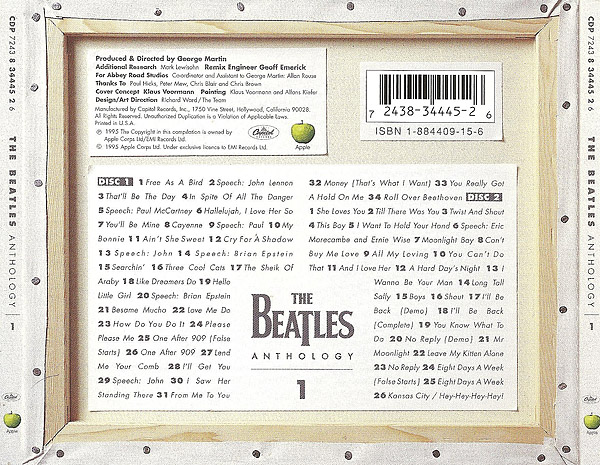
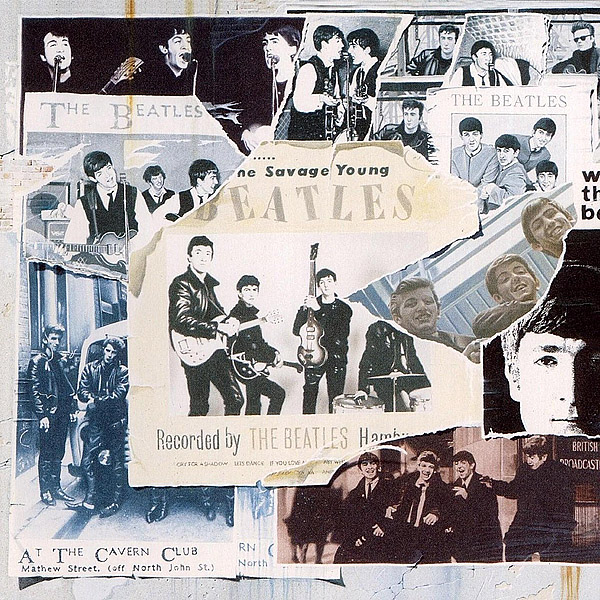
AlbumSome of the songs worked on during this session were first released on the "Anthology 1" Official album
On this day, June 6, 1962, The Beatles— John Lennon, Paul McCartney, George Harrison, and drummer Pete Best — entered the EMI Studios at Abbey Road, St John’s Wood, London, for the very first time. The occasion? An audtion arranged after the band’s manager, Brian Epstein, had tirelessly pitched his northern boys to nearly every label in town. At last, George Martin, head of Parlophone, was curious enough to take a chance on them.
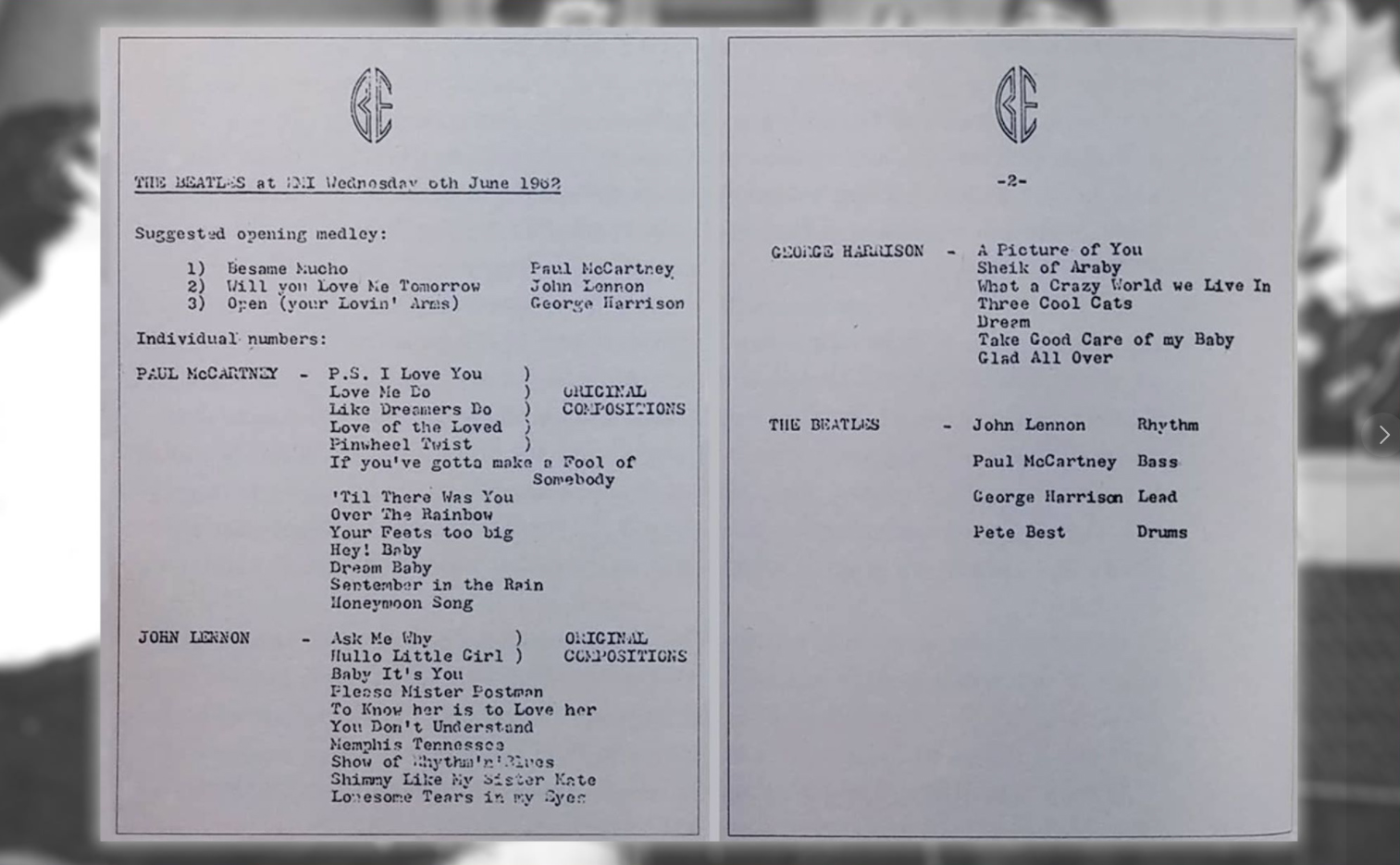
During the session, The Beatles performed a short set to showcase their versatility and songwriting promise. The selection included a cover of “Besame Mucho” — a Latin-flavored standard — along with three original compositions: “Love Me Do,” “P.S. I Love You,” and “Ask Me Why.”
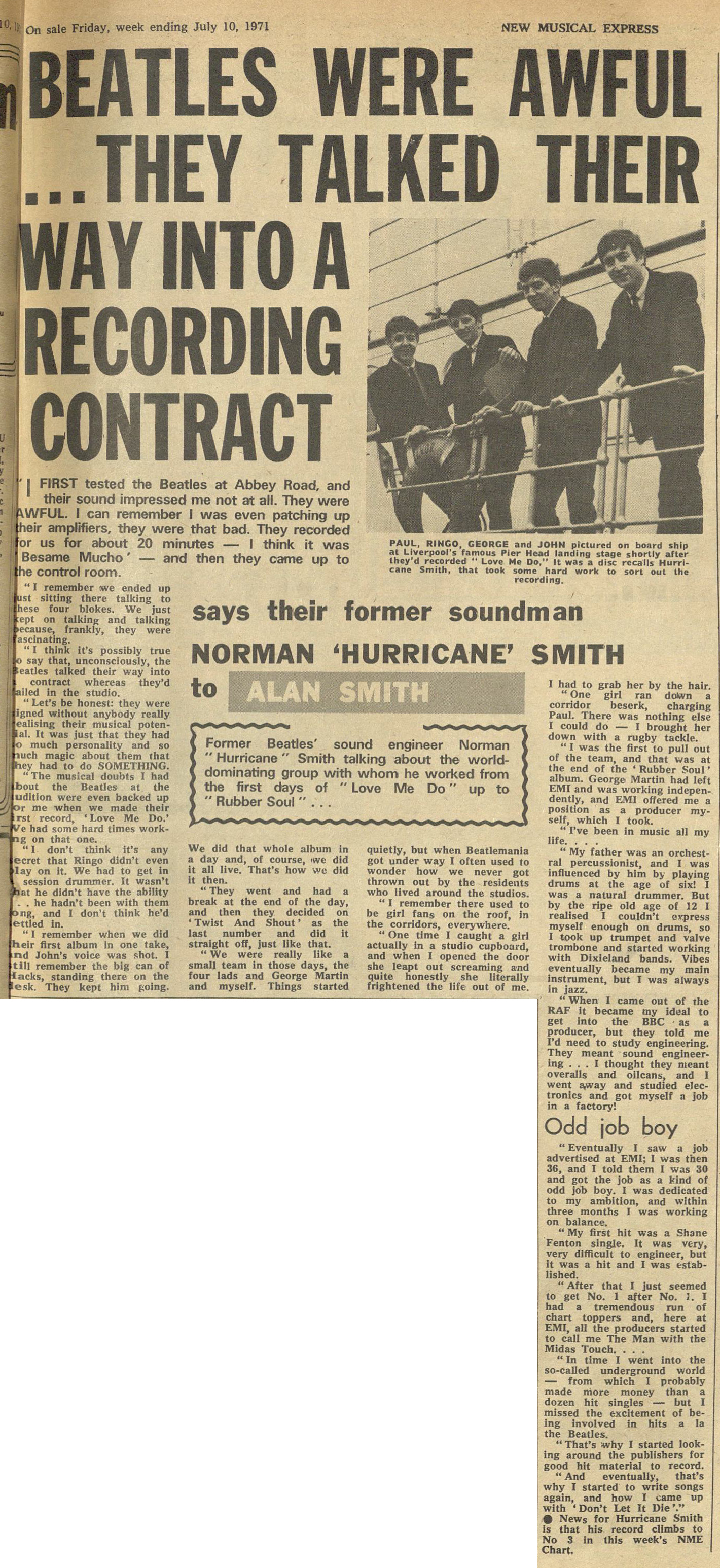
Ron Richards was initially in charge of the session – George Martin was only brought in when balance engineer Norman Smith was struck by the quality of ‘Love Me Do’. Smith instructed tape operator Chris Neal to fetch Martin, who took over the rest of the session. Afterwards he invited them to the control room to talk and listen to the playback. It was unusual for a producer to be present for an artist test. However, on this day Martin stayed for most of the session.
While the group’s energy and potential were undeniable, George Martin wasn’t entirely sold on everything he heard. In particular, he found Pete Best’s drumming lacking and, ever the diplomat, suggested the band consider using a session drummer for future recordings. It was a quiet but pivotal turning point: this would be Best’s only recording session at EMI before being replaced later that summer by Ringo Starr.
The performances captured that day were raw — closer to skiffle club than studio polish. None of the takes were considered release-ready, and as was standard practice at the time, the session tapes were marked for destruction. Yet not everything was lost to time. A mono recording of “Besame Mucho” was discovered in a private collection in the 1980s, and a mono recording of “Love Me Do” was found in 1994. Both recordings were released on “Anthology 1” in 1995, giving fans a glimpse of the band just before takeoff.
In an unexpected twist, the complete session tape resurfaced in 2018 following the death of longtime Beatles engineer Geoff Emerick. It was revealed that Emerick had quietly taken the tape home, even though it was technically EMI property and meant to be destroyed. As of 2020, legal proceedings between Emerick’s family and Universal Music — the current holders of the Beatles’ back catalogue — are ongoing, with questions swirling around the tape’s rightful ownership.
The Beatles didn’t make a very good impression, apart from visually. I mean, we heard nothing of John and Paul’s songwriting ability. They had tiny little Vox amplifiers and speakers, which didn’t create much of a sound at source. Of course, every sound engineer wants some kind of sound at source that he can then embellish and improve, but I got nothing out of The Beatles’ equipment except for a load of noise, hum and goodness-knows-what. Paul’s was about the worst – in those days we had echo chambers to add onto the reverberation, and I had to raid the Studio Two echo chamber in order to fix him up with a sound so that we could get something down on tape.
Norman Smith – Sound on Sound
We actually had to tie string around John Lennon’s guitar amplifier to stop the rattling. There were also problems with Pete Best’s drums – his cymbals, I believe. But we eventually got everything sorted out and finally we started to record.
Norman Smith – From “Recording The Beatles” by Brian Kehew and Kevin Ryan
The control room door opened and in walked George Martin himself. And I thought to myself, ‘This must be some kind of special artist test for him to show up.’ Because producers didn’t normally attend artists test. It was always their assistants. And, of course, up to that time, George was not involved at all with any guitar groups. He did a lot of comedy records, like Peter Sellers and stuff like that.
Norman Smith – From “Recording The Beatles” by Brian Kehew and Kevin Ryan
We gave them a long lecture about their equipment and what would have to be done about it if they were to become recording artists. They didn’t say a word back, not a word, they didn’t even nod their heads in agreement. When he finished, George said ‘Look, I’ve laid into you for quite a time, you haven’t responded. Is there anything you don’t like?’ I remember they all looked at each other for a long while, shuffling their feet, then George Harrison took a long look at George and said ‘Yeah, I don’t like your tie!’ That cracked the ice for us and for the next 15-20 minutes they were pure entertainment. When they left to go home George and I just sat there saying ‘Phew! What do you think of that lot then?’ I had tears running down my face.
Norman Smith – From “The Complete Beatles Recording Sessions” by Mark Lewisohn, 1988
They left, and George turned to me and said, ‘Well, what do you think?’ And I said, ‘I’ve seen a lot of groups come in for artists test, but this one – there is something special about them. I can’t tell you what, but there is something there.’ As I said, the test hadn’t gone too well, and I wasn’t impressed by their sound. But they had an appealing quality, a kind of charisma. And I told George, ‘In my view, I think they should be signed.’ And I’ll never forget, his last words to me before he left were, ‘Okay. I’ll think about it.’ Now, there was quite a bit of controversy that came about after that, as to whether they were actually signed before the artist test. A lot of it that came out did make sense as to why, in my view, George Martin turned up himself for an artist test, when no other producer ever did that. As I said, it was always their assistants.
For the artist test, it was George Martin himself. And there was no question of them them being signed at that time. But, later I began to wonder, ‘Were they already signed? Is this why George Martin himself turned up? Was it because this was the first time that he’d seen them? Was there something more attached to the whole thing?’
Norman Smith – From “Recording The Beatles” by Brian Kehew and Kevin Ryan
We did that test, and the tape went into the library. And about a week later, Norman says to me, ‘Here Ken, what’s the name of that group we had in last week? I’ve got to send a tape down to Manchester Square.’ I said, ‘The Beatles’. I mean, he’d actually forgotten the name of the group!
Ken Townsend – From “Recording The Beatles” by Brian Kehew and Kevin Ryan
From Abbey Road Studios – Interview with Ken Townsend, June 6, 2013:
What was your first impression of the Beatles? – @manyreasonsy, via Twitter
Simple amazement, because I had never seen anything like them before.
Did the band seem to take to the studio quickly or were they very obviously “green?” – Josh Katz, via Facebook
Like a duck to water. They had auditions at Decca and elsewhere and been totally rejected, so it was not their very first time in a professional studio.
Which Beatle was the most nervous and which was the least? The studio can be intimidating the first couple of goes round! – Matthew Loman, via Facebook
They showed no external signs of nerves, in fact the opposite. Their sense of humour was similar to mine – constantly wise cracking.
They looked just like four peas in a pod and I could not tell one from the other for some while, except for Ringo when he took over from Pete Best on the 4th September session.
Which song sounded best on that session? – @manyreasonsy, via Twitter
In hindsight, it was a toss-up between Love Me Do and Ask Me Why (as you have done). What fascinated me was that none of the lyrics seemed to include words of more than four letters.
Did you have any problems when recording [the first Beatles] session? – @VramaW, via Twitter
After running through the songs, it was obvious we were getting distortion from the bass guitar. Norman Smith tried the usual remedy of reducing the level in the studio and cranking it up on the mixer, but to no avail. George Martin said if we could not find a solution, then he might have to abandon the session.
We were strictly forbidden from tampering with artist’s guitar amps due to reports of electrocution of performers on stage, and the studio had no such equipment. I suggested a possible alternative of getting the large Tannoy speaker from Echo Chamber One and driving it with a Leak TL12 power Amp I had upstairs, which I was taking to Rome later that month for an operatic recording.
So while Tape Op Chris Neal and George Martin went to the canteen for a cuppa with the lads, Norman and myself carried this speaker to the studio and I then wired a jack socket onto the input of the leak pre-amp. By some miracle it worked, but I often reflect on what might have happened without this brainwave.
Did you ever feel at that time that the band would go on to become what they are now? – Nishant Shukul, via Facebook
Nobody in the whole wide world could have forecast what was to follow, as it had never happened before. Some artists such as Johnny Ray had received huge adulation from their fans, but the Beatles’ rise to fame across the globe was meteoric and unprecedented. I doubt it will ever be repeated.
Did the session feel magical at the time or only in hindsight? – @Notebookscrawla, via Twitter
Immediately after the session, I could not stop talking about them to my family and friends. This was most unusual, as we were working at Abbey Road with the greatest recording artists in the world on a daily basis and rarely mentioned them unless asked. I was to a degree infatuated by them.
From Abbey Road Studios – Interview with Ken Townsend, June 6, 2013
Court battle worth £5m set over demo of The Beatles performing at Abbey Road
A COURT battle is set over a demo recording of The Beatles — thought to be worth around £5million. The video [sic – audio] shows the band performing for the first time at Abbey Road Studios. It was discovered in the estate of the group’s ex-sound engineer Geoff Emerick, who died aged 72 in 2018.
The tape belonged to EMI — which was acquired by Universal Music Group in 2012.
Mr Emerick, who worked for EMI, said he was told to destroy the recording because it was not of good enough quality. But he secretly kept it in its original box in a safe at his Los Angeles home.
A legal showdown between his family and Universal over who should have the tape is expected to begin in California on Tuesday. A source said of the video from June 6, 1962: “It’s an amazing find. It’s been estimated at £5million but could be worth much more.”
It was filmed [sic – taped] before Ringo Starr joined as drummer. Songs include Love Me Do.
Mr Emerick’s family argue they are entitled to keep it because of finder’s law. Universal say the law does not apply because he had been told to destroy the recording. The source added: “Despite wanting it destroyed, Universal all these years later want it back. They know how huge this find is.“
From The Sun, June 12, 2020
Written by Consuelo Velázquez
Recording • Take 1
AlbumOfficially released on Anthology 1
Recording • Take 1
Recording • Take 2
Recording • Take 3
Recording • Take 4
Recording • Take 1
Unreleased track
Recording • Take 2
Unreleased track
Recording • Take 3
Unreleased track
Recording • Take 4
Unreleased track
Recording • Take 5
Unreleased track
Recording • Take 1
Unreleased track
The Complete Beatles Recording Sessions • Mark Lewisohn
The definitive guide for every Beatles recording sessions from 1962 to 1970. We owe a lot to Mark Lewisohn for the creation of those session pages, but you really have to buy this book to get all the details - the number of takes for each song, who contributed what, a description of the context and how each session went, various photographies... And an introductory interview with Paul McCartney!
The Beatles Recording Reference Manual: Volume 1: My Bonnie through Beatles For Sale (1961-1964)

Nominated for the 2018 Association for Recorded Sound Collections (ARSC) Awards for Excellence in Historical Recorded Sound Research.The first book of the series, "The Beatles Recording Reference Manual: Volume 1: My Bonnie through Beatles For Sale (1961-1964)" tracks the evolution of the band from their earliest recordings and initial hits, through "Please Please Me", "With The Beatles", "A Hard Day's Night", and "Beatles For Sale". From the first take to the final remix, discover the making of the greatest recordings of all time.Through extensive, fully-documented research, these books fill an important gap left by all other Beatles books published to date and provide a unique view into the recordings of the world's most successful pop music act.

Notice any inaccuracies on this page? Have additional insights or ideas for new content? Or just want to share your thoughts? We value your feedback! Please use the form below to get in touch with us.

Jesse E. • Feb 12, 2021 • 5 years ago
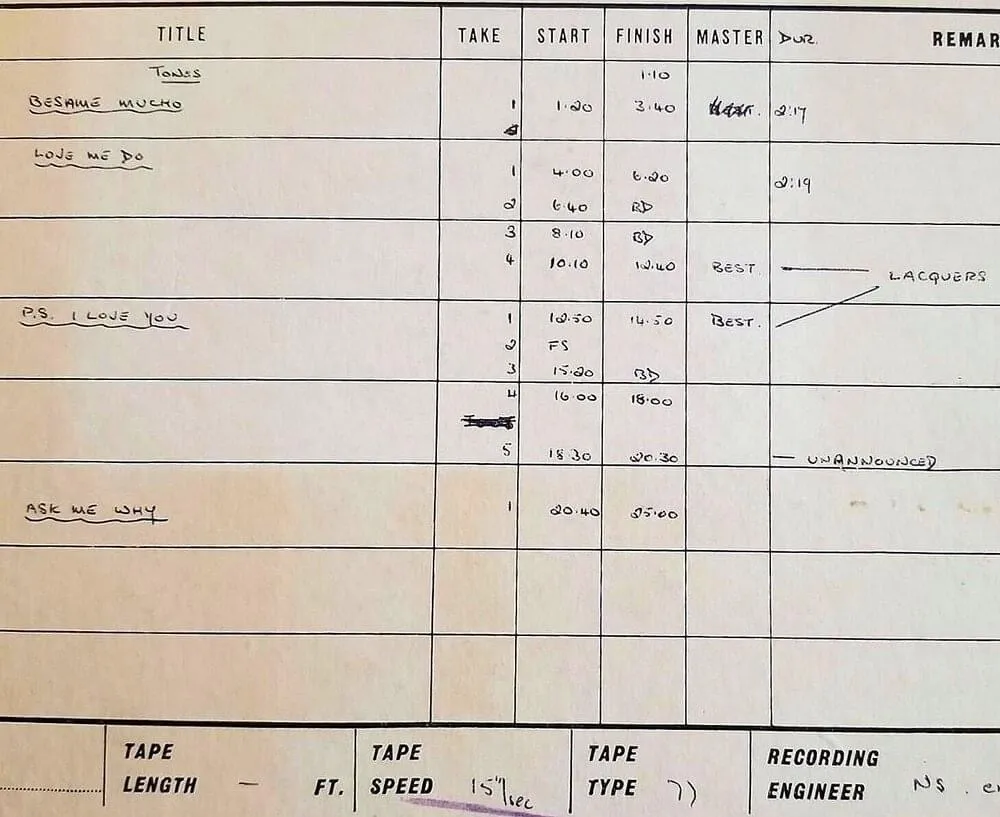
The tapes actually do still exist and we know the take numbers now. Geoff Emerick stole the session tapes even though he was told to destroy them, you can find the take numbers on the box here