Location
Recording studio: Apple offices, 3 Savile Row • London • UK
Timeline
Previous session Feb 05, 1969 • Mixing "I've Got A Feeling", "Don't Let Me Down", "Get Back", "The One After 909", "Dig A Pony"
Article Feb 13, 1969 • Launch party for Mary Hopkin’s album "Post Card"
Article January to February 17, 1969 • NEMS / Nemperor is sold to Triumph Investment Trust
Session February 14-22, 1969 ? • Continuation of the "Get Back" sessions ?
Album Feb 17, 1969 • "James Taylor (Stereo)" by James Taylor released in the US
Article February 21 to August 1969 • The Beatles fight for NEMS / Nemperor
Next session Feb 22, 1969 • Recording "I Want You (She's So Heavy)"
Master release

Some of the songs from this session also appear on:


The version of “Don’t Let Me Down” released as the B-side of the “Get Back / Don’t Let Me Down” single in April 1969 was recorded on January 28, 1969. However, the released version differs from the recordings captured during that day’s session, notably in the vocals. The Beatles are known to have revisited the track at a later, undocumented session, during which John Lennon and Paul McCartney improved the lead and backing vocals.
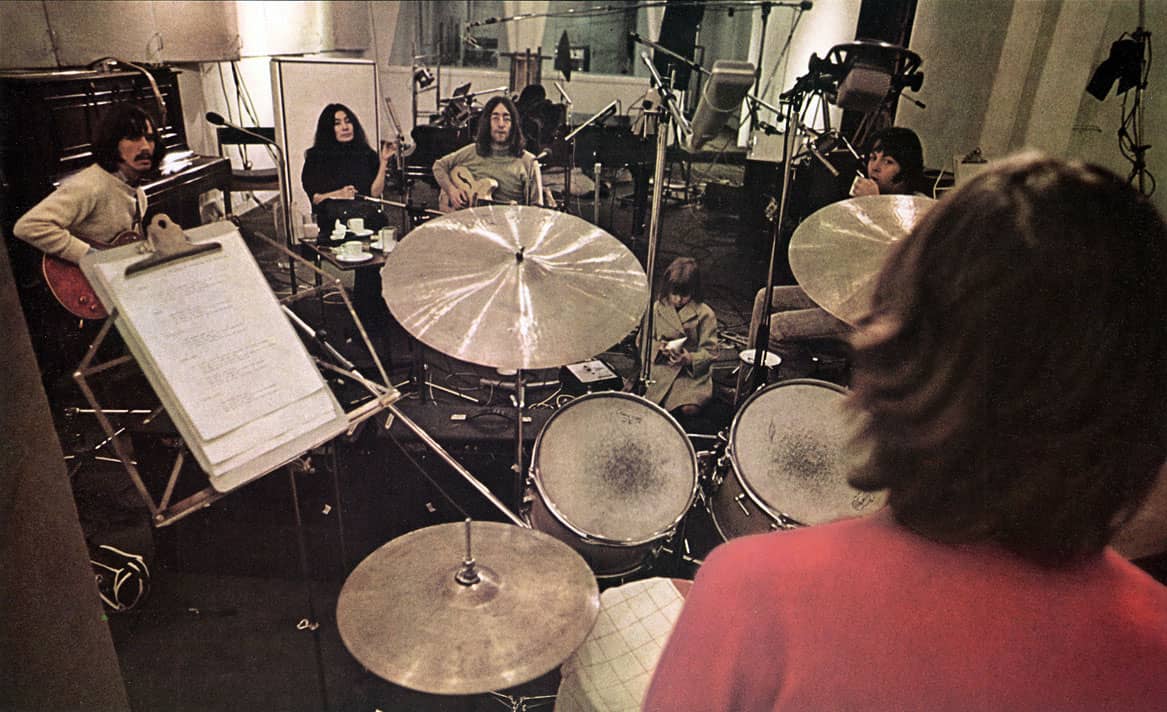
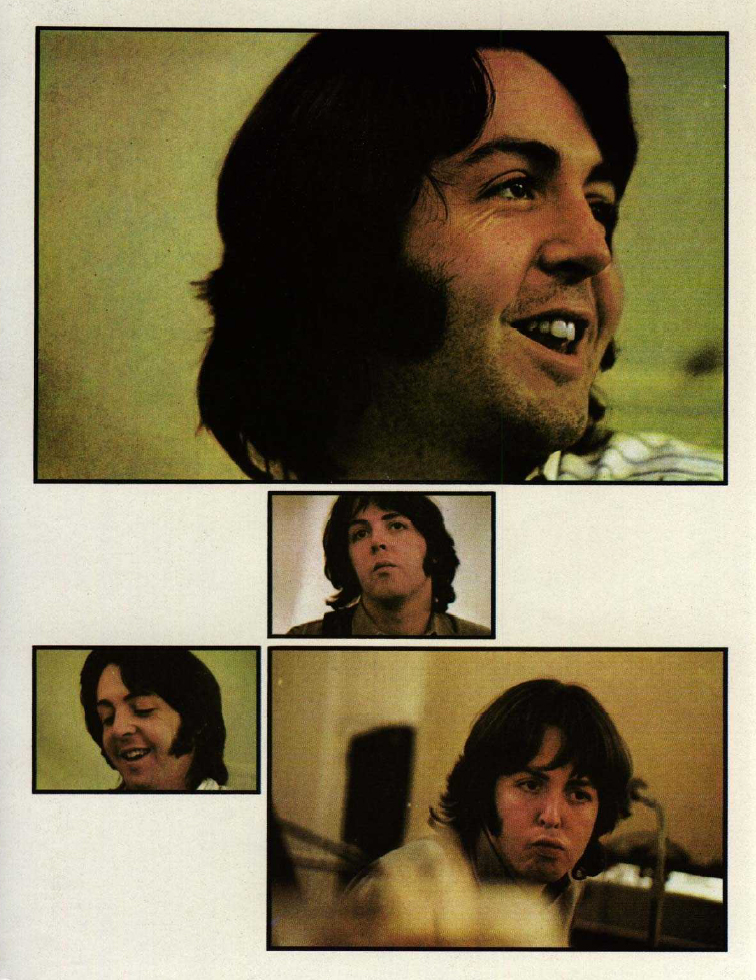
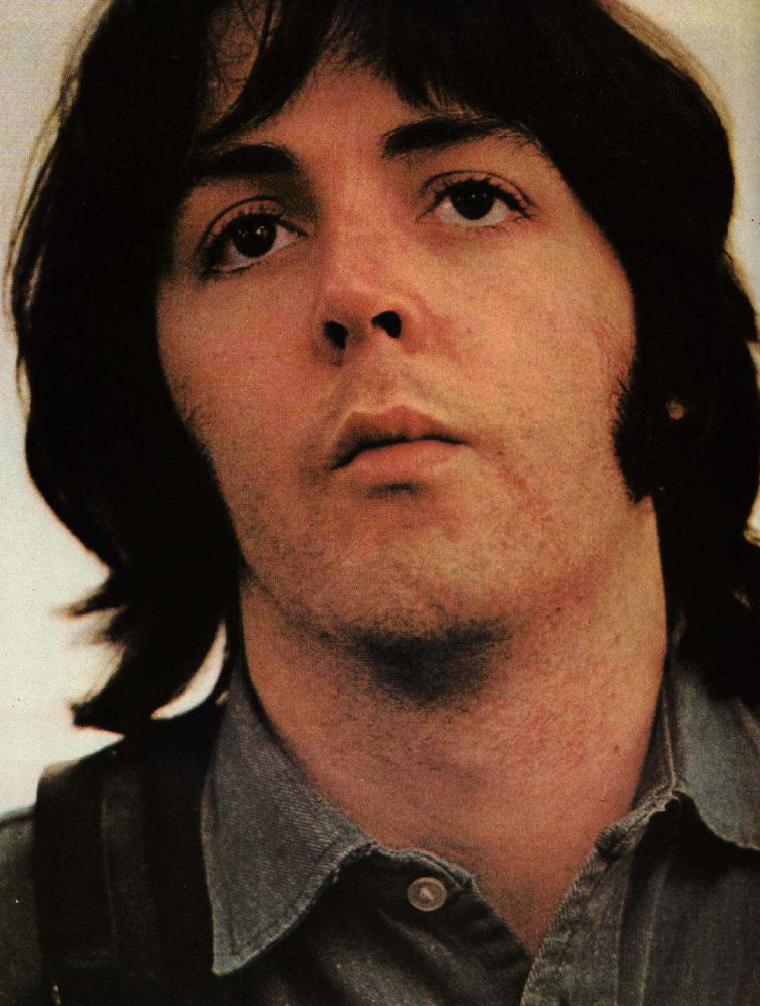
Photographic evidence supports the idea of an undocumented post-January session. The “Get Back” book, included in the “Let It Be” box set released in 1970, features photographs taken by Ethan Russell, the official photographer of the sessions. Some of these photos could not have been taken in January: Paul is clean-shaven, and John is starting to grow a beard.
Additional unpublished photographs, shown by director Peter Jackson in a 2021 podcast, further reinforce this timeline. The photos, taken at Apple Studios, are identifiable by the green carpet seen in the studio at the time. Engineer Glyn Johns seems also visible in these images, indicating his presence during the session.
Glyn Johns’ personal diary, also shared by Peter Jackson on this podcast, provides some crucial clues. From February 14 to February 22, 1969, he was working at Apple. On Saturday, February 22, his diary notes:
“(SATURDAY) 2PM – APPLE. TRIDENT Beatles 5PM–5AM”, suggesting a Beatles-related session at Apple in the afternoon, followed by the known evening session at Trident Studios to work on “I Want You (She’s So Heavy)”.
This timeline aligns with George Harrison’s medical absence — he was hospitalized for a tonsillectomy from February 7 to 15 — which suggests that any band activity at Apple likely resumed in the second half of the month. However, Ringo Starr was filming “The Magic Christian” during this period, although he was free on most evenings and weekends.
Also, Linda Eastman (soon to be Linda McCartney) and her daughter Heather are visible in the photos from this session, implying a weekend date, likely Saturday or Sunday, when Heather would not have been in school — again pointing to February 22.
All of this raises the question: what were The Beatles and Glyn Johns working on at Apple between February 14 and 22? By the end of the January “Get Back” sessions, they had nine tracks considered complete, short of the intended 14 or 15. It is possible that the February dates were used for rehearsals of additional material— and also for recording overdubs, including the final vocal embellishments heard on “Don’t Let Me Down.”
In December 2021, Beatles author Robert Rodriguez, director Peter Jackson and Dan Rivkin from “They May Be Parted” blog discussed those mystery sessions in episode 224B of the “Something About The Beatles” podcast.
Paul knows [the “Get Back” project] is on the horizon at the end of ’68 and that’s when he starts growing his beard out when he’s on vacation in Portugal with Hunter Davies and Linda. And he goes through the entire month with the beard on. As soon as he believes it’s over, he shaves it off.
Robert Rodriguez – From The Beatles’ February 1969 “mystery recording session” with Peter Jackson
These are the photos, the ones that you’re talking about. There’s Heather there, so that gives you a clue, that’s probably a Saturday or Sunday, because having her there means it is probably not a school day.
Peter Jackson – From The Beatles’ February 1969 “mystery recording session” with Peter Jackson




Session activities
-
Recording • Vocal overdubs ?
Staff
Musicians
- Performed by : Paul McCartney
- Performed by : Ringo Starr
- Performed by : John Lennon
- Performed by : George Harrison
Production staff
- Glyn Johns : Recording engineer