Thursday, February 26, 1970
Mixing "Junk", "Teddy Boy", "Kreen Akrore"
For Paul McCartney
Last updated on August 9, 2025
Thursday, February 26, 1970
For Paul McCartney
Last updated on August 9, 2025

December 23, 1969 - March 1970 • Songs recorded during this session appear on McCartney
Recording studio: Morgan Studios • London • UK
Session Feb 24, 1970 • Mixing "Hot As Sun", "Every Night", "Don't Cry Baby"
Session Feb 25, 1970 • Recording and mixing "Man We Was Lonely"
Session Feb 26, 1970 • Mixing "Junk", "Teddy Boy", "Kreen Akrore"
Album Feb 26, 1970 • "Hey Jude" by The Beatles released in the US
Article Feb 28, 1970 • George Martin and Geoff Emerick win NME Awards
Next session Feb 28, 1970 • Mixing "For You Blue"
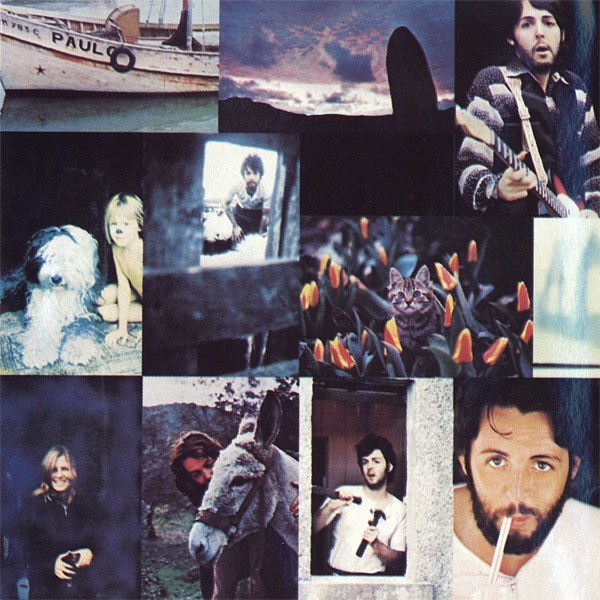
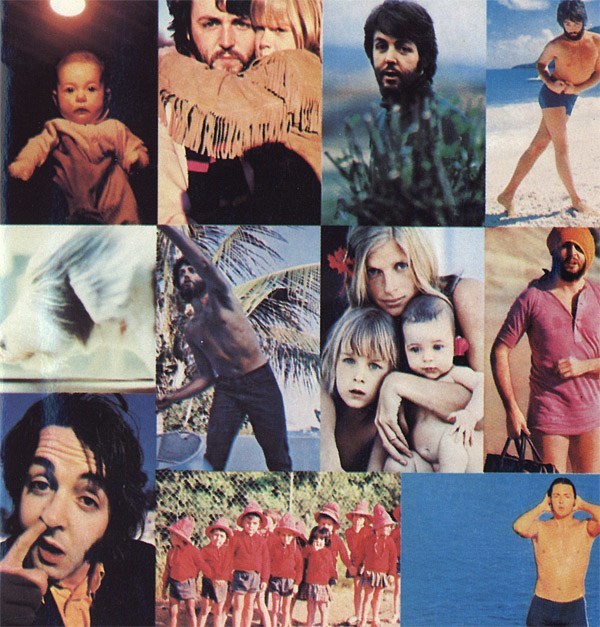
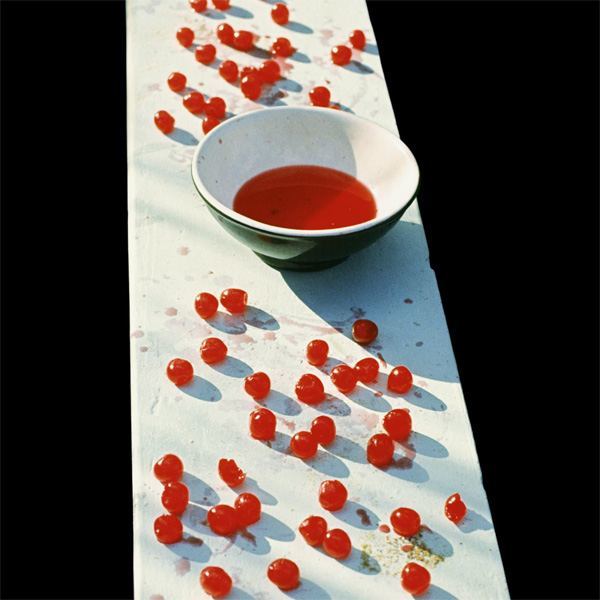
AlbumSome of the songs worked on during this session were first released on the "McCartney" LP
In late December 1969 and on January 17, 1970, Paul McCartney began recording new material using a Studer J37 4-track tape recorder that had recently been installed at his home in London. Believing these experiments could evolve into his first solo album, he moved to EMI Studios, Abbey Road, to continue the work. He spent time there on January 24, February 7 and 8 and again on February 15.
From February 16 to February 20, Paul relocated to Morgan Studios, where he continued recording the album. On February 21, 22, 24 and 25, he returned to EMI Studios.
On this day, February 26, he was back at Morgan Studios with engineer Robin Black to mix three tracks for the upcoming “McCartney” album: “Junk,” “Teddy Boy,” and “Kreen Akrore.”
Two days later, they returned to mix “Oo You,” the final song to be mixed for the album. A last mixing session on March 7-8 was dedicated to creating rough mixes of the leftover material from the album sessions.
Written by Paul McCartney
Mixing
AlbumOfficially released on McCartney
Written by Paul McCartney
Mixing
AlbumOfficially released on McCartney
Written by Paul McCartney
Mixing
AlbumOfficially released on McCartney
Paul McCartney: Music Is Ideas. The Stories Behind the Songs (Vol. 1) 1970-1989
With 25 albums of pop music, 5 of classical – a total of around 500 songs – released over the course of more than half a century, Paul McCartney's career, on his own and with Wings, boasts an incredible catalogue that's always striving to free itself from the shadow of The Beatles. The stories behind the songs, demos and studio recordings, unreleased tracks, recording dates, musicians, live performances and tours, covers, events: Music Is Ideas Volume 1 traces McCartney's post-Beatles output from 1970 to 1989 in the form of 346 song sheets, filled with details of the recordings and stories behind the sessions. Accompanied by photos, and drawing on interviews and contemporary reviews, this reference book draws the portrait of a musical craftsman who has elevated popular song to an art-form.
The McCartney Legacy: Volume 1: 1969 – 73

In this first of a groundbreaking multivolume set, THE MCCARTNEY LEGACY, VOL 1: 1969-73 captures the life of Paul McCartney in the years immediately following the dissolution of the Beatles, a period in which McCartney recreated himself as both a man and a musician. Informed by hundreds of interviews, extensive ground up research, and thousands of never-before-seen documents THE MCCARTNEY LEGACY, VOL 1 is an in depth, revealing exploration of McCartney’s creative and personal lives beyond the Beatles.
Eight Arms to Hold You: The Solo Beatles Compendium
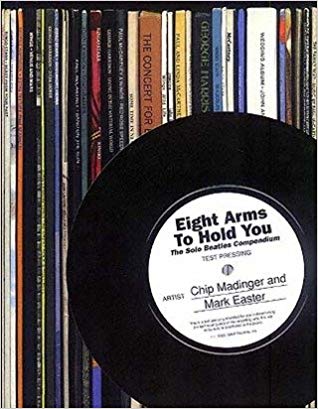
Eight Arms To Hold You: The Solo Beatles Compendium is the ultimate look at the careers of John Lennon, Paul McCartney, George Harrison and Ringo Starr beyond the Beatles. Every aspect of their professional careers as solo artists is explored, from recording sessions, record releases and tours, to television, film and music videos, including everything in between. From their early film soundtrack work to the officially released retrospectives, all solo efforts by the four men are exhaustively examined.

Notice any inaccuracies on this page? Have additional insights or ideas for new content? Or just want to share your thoughts? We value your feedback! Please use the form below to get in touch with us.