Monday, November 15, 1965
Mixing "I'm Looking Through You", "You Won't See Me", "Girl", "Wait", "The Word", "Michelle"
For The Beatles
Last updated on December 27, 2025
Monday, November 15, 1965
For The Beatles
Last updated on December 27, 2025

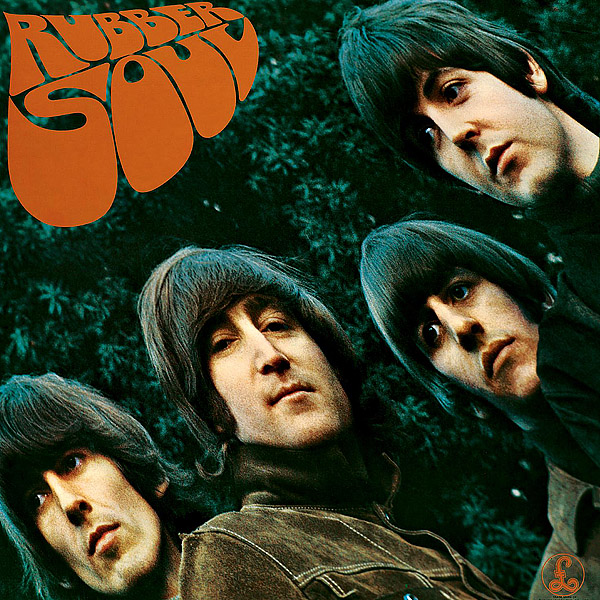
Oct 12 - Nov 30, 1965 • Songs recorded during this session appear on Rubber Soul (UK Mono)
Recording studio: EMI Studios, Studio One, Abbey Road • London • UK
Article Nov 15, 1965 • Paul McCartney visits Jane Asher in Bristol
Session Nov 15, 1965 • Mixing "I'm Looking Through You", "You Won't See Me", "Girl", "Wait", "The Word", "Michelle"
Article Nov 16, 1965 • George Martin finalises the running order of "Rubber Soul"
Concert appearance Nov 16, 1965 • Paul McCartney acts as compère for Gene Pitney
Next session Late November 1965 • Rehearsals for the 1965 UK Tour
AlbumSome of the songs worked on during this session were first released on the "Rubber Soul (UK Mono)" LP
This was the nineteenth and final day of work on The Beatles’ new album “Rubber Soul.” From 2:30 pm to 5:30 pm, the team prepared the latest mono and stereo mixes.
Most of the work was completed quickly, with nearly all songs requiring only a single attempt to create the mixes intended for release.
Remix Mono 1 and Remix Stereo 1 of “I’m Looking Through You” were made from Take 4.
RM1 and RS1 of “You Won’t See Me” were made from Take 2.
RM1 and RS1 of “Girl” were made from Take 2.
Two mono remixes of “Wait” were made from Take 4, with RM2 selected as the released version. RS1 was also created from Take 4.
“The Word” had already been mixed in mono and stereo on November 11. However, a new stereo mix – Take 3 RS2 – was created on this day and became the released version.
“Michelle” had been mixed in mono and stereo on November 9, but a new mono mix – Take 2 RM2 – was made during this session and became the released version.
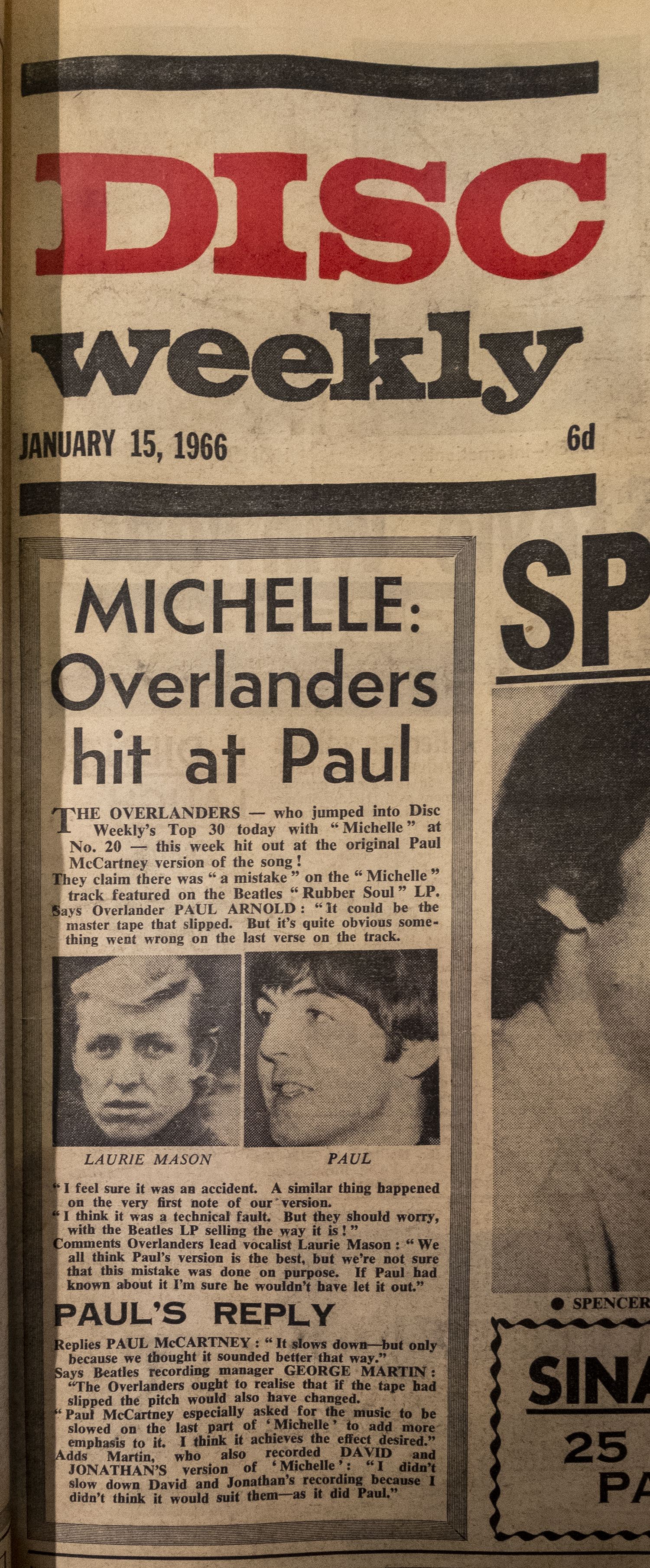
MICHELLE: Overlanders hit at Paul
THE OVERLANDERS — who jumped into Disc Weekly’s Top 30 today with “Michelle” at No. 20 — this week hit out at the original Paul McCartney version of the song! They claim there was “a mistake” on the “Michelle” track featured on the Beatles “Rubber Soul” LP. Says Overlander PAUL ARNOLD: “It could be the master tape that slipped. But it’s quite obvious something went wrong on the last verse on the track. I feel sure it was an accident. A similar thing happened on the very first note of our version. I think it was a technical fault. But they should worry, with the Beatles LP selling the way it is!”
Comments Overlanders lead vocalist Laurie Mason: “We all think Paul’s version is the best, but we’re not sure that this mistake was done on purpose. If Paul had known about it I’m sure he wouldn’t have let it out.”
Replies PAUL McCARTNEY: “It slows down — but only because we thought it sounded better that way.”
Says Beatles recording manager GEORGE MARTIN: “The Overlanders ought to realise that if the tape had slipped the pitch would also have changed. Paul McCartney especially asked for the music to be slowed on the last part of ‘Michelle’ to add more emphasis to it. I think it achieves the effect desired.”
Adds Martin, who also recorded DAVID and JONATHAN’S version of ‘Michelle’: “I didn’t slow down David and Jonathan’s recording because I didn’t think it would suit them — as it did Paul.”
From Disc Weekly, January 15, 1966
Mixing • Mono mixing - Remix 1 from take 4
AlbumOfficially released on Rubber Soul (UK Mono)
Mixing • Mono mixing - Remix 1 from take 2
AlbumOfficially released on Rubber Soul (UK Mono)
Mixing • Mono mixing - Remix 1 from take 2
AlbumOfficially released on Rubber Soul (UK Mono)
Mixing • Mono mixing - Remix 1 from take 4
Mixing • Mono mixing - Remix 2 from take 4
AlbumOfficially released on Rubber Soul (UK Mono)
Mixing • Stereo mixing - Remix 1 from take 4
AlbumOfficially released on Rubber Soul (UK Stereo)
Mixing • Stereo mixing - Remix 1 from take 4
AlbumOfficially released on Rubber Soul (UK Stereo)
Mixing • Stereo mixing - Remix 1 from take 2
AlbumOfficially released on Rubber Soul (UK Stereo)
Mixing • Stereo mixing - Remix 1 from take 2
AlbumOfficially released on Rubber Soul (UK Stereo)
Mixing • Stereo mixing - Remix 2 from take 3
AlbumOfficially released on Rubber Soul (UK Stereo)
Mixing • Mono mixing - Remix 2 from take 2
AlbumOfficially released on Rubber Soul (UK Mono)
The Complete Beatles Recording Sessions • Mark Lewisohn
The definitive guide for every Beatles recording sessions from 1962 to 1970. We owe a lot to Mark Lewisohn for the creation of those session pages, but you really have to buy this book to get all the details - the number of takes for each song, who contributed what, a description of the context and how each session went, various photographies... And an introductory interview with Paul McCartney!
The Beatles Recording Reference Manual - Volume 2 - Help! through Revolver (1965-1966)
The second book of the Association for Recorded Sound Collections (ARSC)-nominated series, "The Beatles Recording Reference Manual: Volume 2: Help! through Revolver (1965-1966)" follows the evolution of the band from the end of Beatlemania with "Help!" through the introspection of "Rubber Soul" up to the sonic revolution of "Revolver". From the first take to the final remix, discover the making of the greatest recordings of all time.Through extensive, fully-documented research, these books fill an important gap left by all other Beatles books published to date and provide a unique view into the recordings of the world's most successful pop music act.
If we modestly consider the Paul McCartney Project to be the premier online resource for all things Paul McCartney, it is undeniable that The Beatles Bible stands as the definitive online site dedicated to the Beatles. While there is some overlap in content between the two sites, they differ significantly in their approach.

Notice any inaccuracies on this page? Have additional insights or ideas for new content? Or just want to share your thoughts? We value your feedback! Please use the form below to get in touch with us.


