Thursday, July 17, 1969
Recording "Oh! Darling", "Octopus's Garden"
For The Beatles
Last updated on April 23, 2025
Thursday, July 17, 1969
For The Beatles
Last updated on April 23, 2025

Feb 22 - Aug 25, 1969 • Songs recorded during this session appear on Abbey Road
Session Jul 16, 1969 • Recording "Here Comes The Sun", "Something"
Single Jul 16, 1969 • "My Dark Hour / Song For Our Ancestors" by The Steve Miller Band released in the US
Session Jul 17, 1969 • Recording "Oh! Darling", "Octopus's Garden"
Session Jul 18, 1969 • Recording and mixing "Oh! Darling", "Octopus's Garden"
Single Jul 18, 1969 • "Penina / Wings Of Revenge" by Carlos Mendes released globally
AlbumSome of the songs worked on during this session were first released on the "Abbey Road" LP
Paul McCartney made his first attempt to record the lead vocals for “Oh! Darling” on April 20, 1969.
On this day, he arrived early at EMI Studios to re-record those lead vocals and would try again on July 18, July 22 and July 23.
Perhaps my main memory of the Abbey Road sessions is of Paul coming into studio three at two o’clock or 2.30 each afternoon, on his own, to do the vocal on Oh! Darling. That was a feature of the Abbey Road sessions: you very rarely saw all four Beatles together. It was either John or Paul or George working on their various things, perhaps only getting together to hear something back. But Paul came in several days running to do the lead vocal on Oh! Darling. He’d come in, sing it and say ‘No, that’s not it, I’ll try it again tomorrow’. He only tried it once per day, I suppose he wanted to capture a certain rawness which could only be done once before the voice changed. I remember him saying ‘five years ago I could have done this in a flash’, referring, I suppose, to the days of ‘Long Tall Sally’ and Kansas City.
Alan Parsons – Assistant engineer – From “The Complete Beatles Recording Sessions” by Mark Lewisohn, 1988
Paul slaved over getting ‘Oh! Darling’s vocal right. He was really screaming it, so he couldn’t do it more than a couple of times a day. He used to come in every afternoon at 2. Then he’d say, “No, I haven’t got it yet. I’ll try again tomorrow”.
Alan Parsons – Assistant engineer – From Uncut, October 2019
When we were recording Oh! Darling’ I came into the studios early every day for a week to sing it by myself because at first my voice was too clear. I wanted it to sound as though I’d been performing it on stage all week.
Paul McCartney – From “The Beatles Anthology” book, 2000
I want it to sound as though I’d been performing it on stage all week. I tried it with a hand mike and I tried it with a standing mike. I tried it every which way and finally got the vocal I was reasonably happy with.
Paul McCartney
I think Paul wanted this ‘first thing in the morning’ quality, or maybe it was ‘last thing at night.’ Whatever it was, he came in early each day, an hour before anybody else, to do his piece, always replacing the previous one until he got the one he liked.
John Kurlander – Engineer – From “The Complete Beatles Recording Sessions” by Mark Lewisohn, 1988
It was at around this time that Paul started getting in the habit of coming in early every afternoon, before the others arrived, to have a go at singing the lead vocal to “Oh Darling.” Not only did he have me record it with fifties-style tape echo, he even monitored the backing track over speakers instead of headphones because he wanted to feel as though he were singing to a live audience. Every day we’d be treated to a hell of a performance as McCartney put his all into singing the song all the way through once and once only, nearly ripping his vocal cords to shreds in the process.
George Martin would frequently announce triumphantly, “That’s it; that’s the one,” but Paul would overrule him, saying, “No, it’s not there yet; let’s try it again tomorrow.” For all that—and he took many whacks at the song, over many days—I never sensed any real frustration in Paul, even though he was obviously having trouble getting the vocal the way he wanted it in his head. He knew what the ultimate goal was, and he knew that he was going to get it eventually. Besides, ever the consummate showman, he simply enjoyed singing it.
Frankly, I think the reason Paul did those vocals each day before the other Beatles arrived was so he wouldn’t have to face their disapproval or withering remarks—he wouldn’t even play them each day’s attempt to solicit their opinion. Perhaps he had learned his lesson from “Ob-La-Di, Ob-La-Da,” when he had sung the vocal over and over again in front of everybody, pissing his bandmates off mightily in the process.
Geoff Emerick (who apparently didn’t engineer the session but was in the studio) – From “Here, There and Everywhere: My Life Recording the Music of The Beatles“, 2006
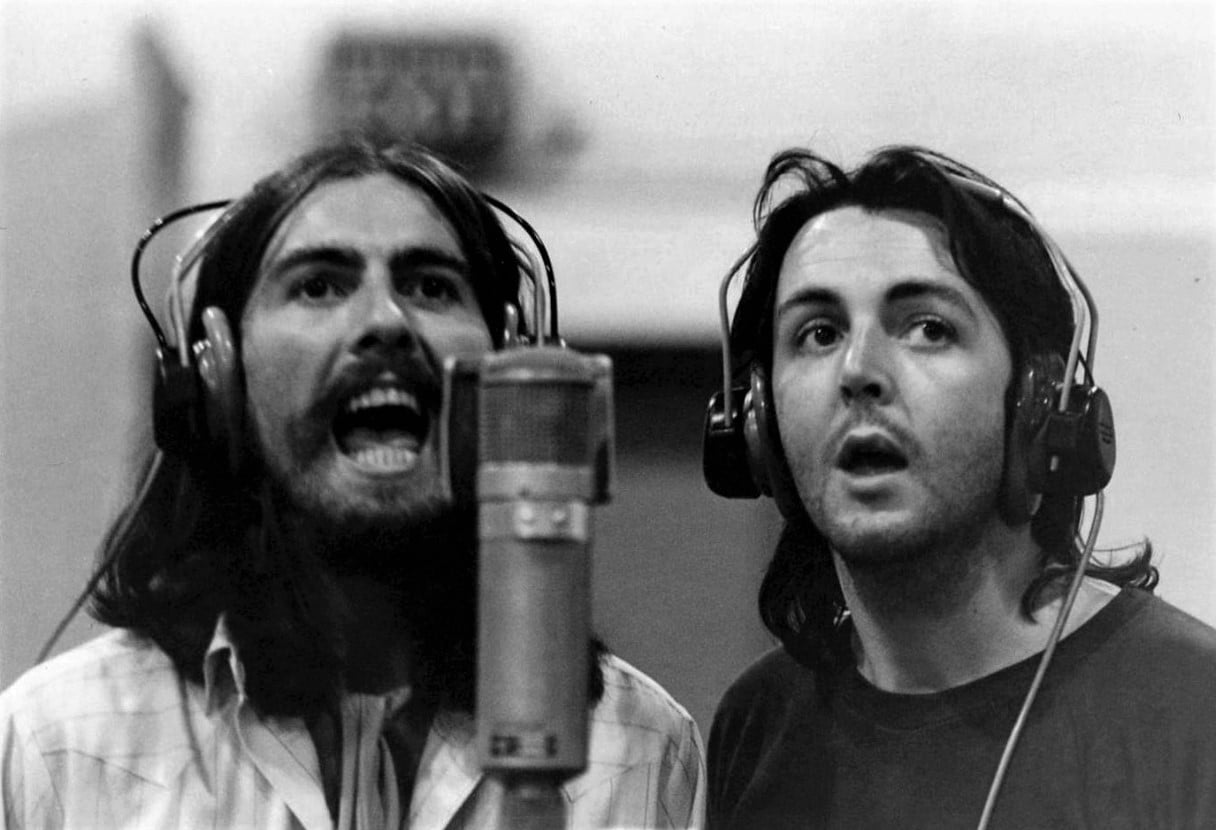
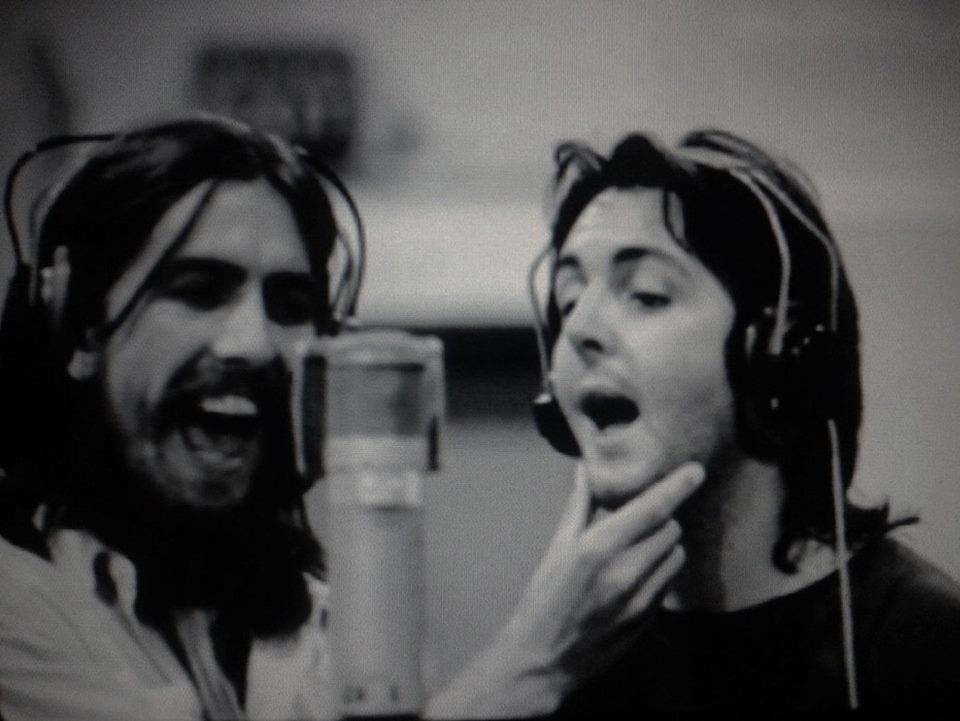
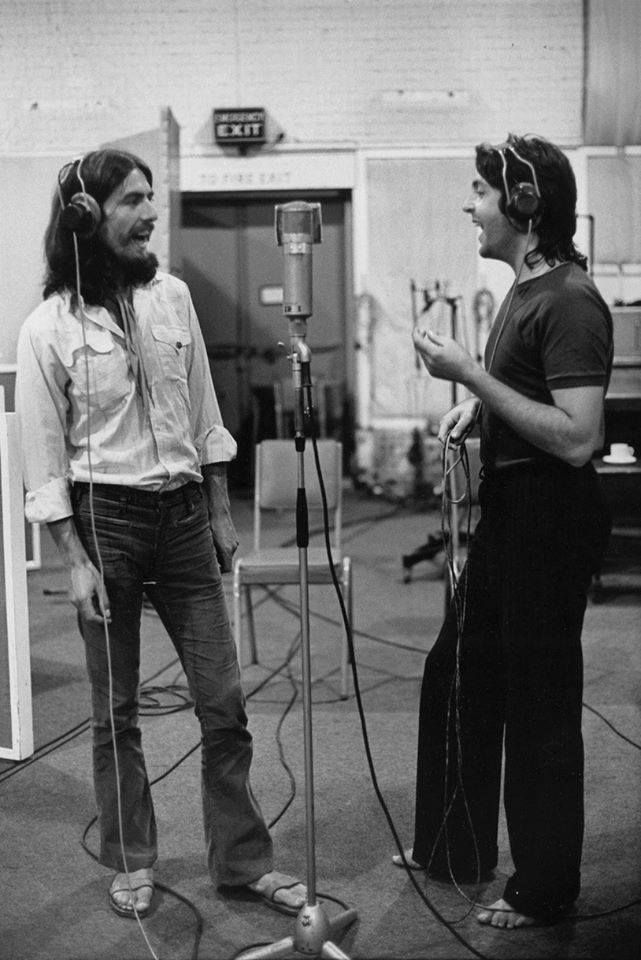
Ringo Starr’s “Octopus’s Garden” had been initially recorded on April 26 and 29, 1969. On this day, from 6:30 pm to 11:15 pm, The Beatles returned to the track to add further overdubs onto take 32, likely beginning the session with an internal tape reduction.
Paul McCartney and George Harrison provided backing vocals; Paul also added a piano part, while George contributed an additional guitar track. Various sound effects were also added onto the recording.
Work on “Octopus’s Garden” continued the following day with the re-recording of Ringo’s lead vocals.
After RS 1-4 were created on April 29th, only one open track remained on the eight-track tape. For the work planned for this session, more tracks would be required. It is deduced that the session must have started with an internal tape reduction, combining Harrison’s lead guitar with McCartney’s piano part to the available open track and deleting one of Starr’s double-tracked vocals by moving Lennon’s guitar track. With these reductions, four tracks were now available for the day’s work.
From “The Beatles Recording Reference Manual – Volume 5” by Jerry Hammack
Despite the fact that John was still moping around, saying little and contributing next to nothing, we had great fun doing overdubs on “Octopus’ Garden.” Paul and George were both in high spirits on the days we were working on it, and together they chipped in, putting as much effort into it as if it were one of their own songs. For once, Ringo sang the lead vocal with confidence, and he even got the inspiration — recycled from “Yellow Submarine” — to blow bubbles into a close-miked glass of water. As the songwriter, Ringo acted as the de facto producer for the track, and in one of our rare conversations, he asked me if I could make the vocals in the middle section sound as if they were being sung underwater. It was one of the few times during the Abbey Road sessions that I was challenged to come up with a new kind of sound, and I jumped at the opportunity. After some experimentation, I discovered that feeding the vocals into a compressor and triggering it from a pulsing tone (which I derived from George Harrison’s Moog synthesizer) imparted a distinctive wobbly sound, almost like gargling. It was weird, almost like something out of a cheesy science-fiction movie, but Ringo loved the result.
Geoff Emerick (who apparently didn’t engineer the session but was in the studio) – From “Here, There and Everywhere: My Life Recording the Music of The Beatles“, 2006
That was miked very closely to capture all the little bubbles and sounds.
Alan Brown – Technical engineer – From “The Complete Beatles Recording Sessions” by Mark Lewisohn, 1988

Recording • SI onto take 16
Written by Ringo Starr
Recording • SI onto take 32
The Complete Beatles Recording Sessions • Mark Lewisohn
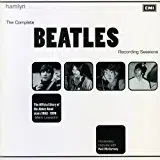
The definitive guide for every Beatles recording sessions from 1962 to 1970. We owe a lot to Mark Lewisohn for the creation of those session pages, but you really have to buy this book to get all the details - the number of takes for each song, who contributed what, a description of the context and how each session went, various photographies... And an introductory interview with Paul McCartney!
The Beatles Recording Reference Manual: Volume 5: Let It Be through Abbey Road (1969 - 1970)

The fifth and final book of this critically acclaimed series, "The Beatles Recording Reference Manual: Volume 5: Let It Be through Abbey Road (1969 - 1970)" follows The Beatles as they "get back to where they once belonged...". Not once, but twice. With "Let It Be", they attempted to recapture the spontaneity of their early years and recordings, while "Abbey Road" was a different kind of return - to the complexity, finish and polish that they had applied to their work beginning with "Revolver" and through to "The Beatles".
Solid State: The Story of "Abbey Road" and the End of the Beatles
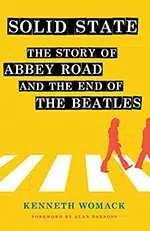
Acclaimed Beatles historian Kenneth Womack offers the most definitive account yet of the writing, recording, mixing, and reception of Abbey Road. In February 1969, the Beatles began working on what became their final album together. Abbey Road introduced a number of new techniques and technologies to the Beatles' sound, and included "Come Together," "Something," and "Here Comes the Sun," which all emerged as classics.
If we modestly consider the Paul McCartney Project to be the premier online resource for all things Paul McCartney, it is undeniable that The Beatles Bible stands as the definitive online site dedicated to the Beatles. While there is some overlap in content between the two sites, they differ significantly in their approach.

Notice any inaccuracies on this page? Have additional insights or ideas for new content? Or just want to share your thoughts? We value your feedback! Please use the form below to get in touch with us.