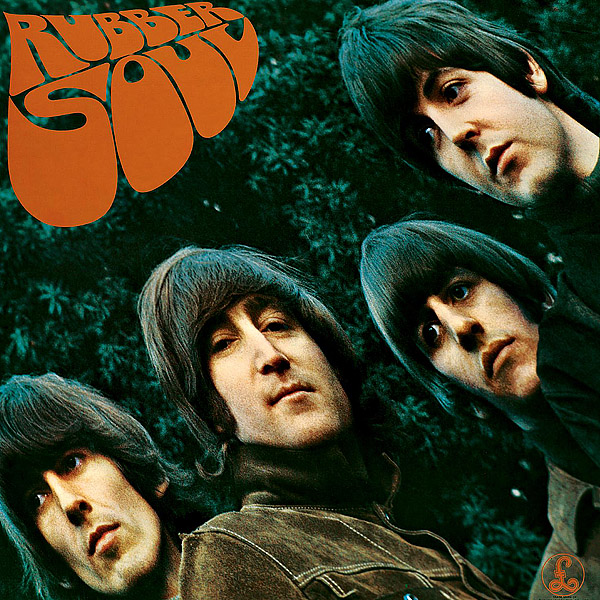

Oct 12 - Nov 30, 1965 • Songs recorded during this session appear on Rubber Soul (UK Mono)
Recording studio: EMI Studios, Studio Two, Abbey Road • London • UK
Session Oct 29, 1965 • Recording and mixing "We Can Work It Out", mixing "Day Tripper"
Article Oct 31, 1965 • Tickets for The Beatles' UK tour are on sale
Session Nov 03, 1965 • Recording "Michelle"
Session Nov 04, 1965 • Recording "What Goes On", "12-Bar Original"
AlbumSome of the songs worked on during this session were first released on the "Rubber Soul (UK Mono)" LP
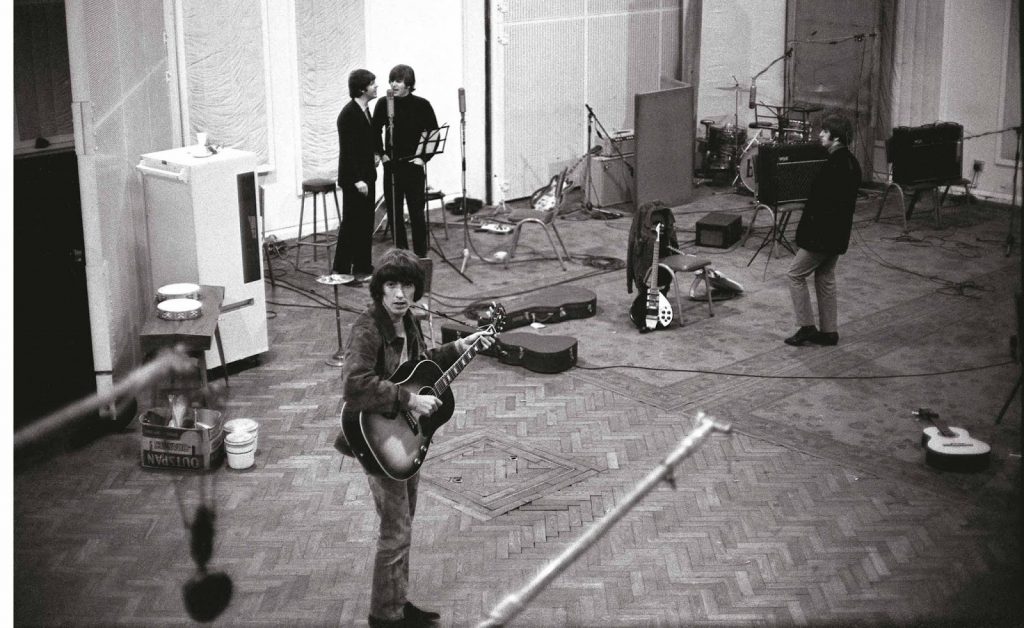
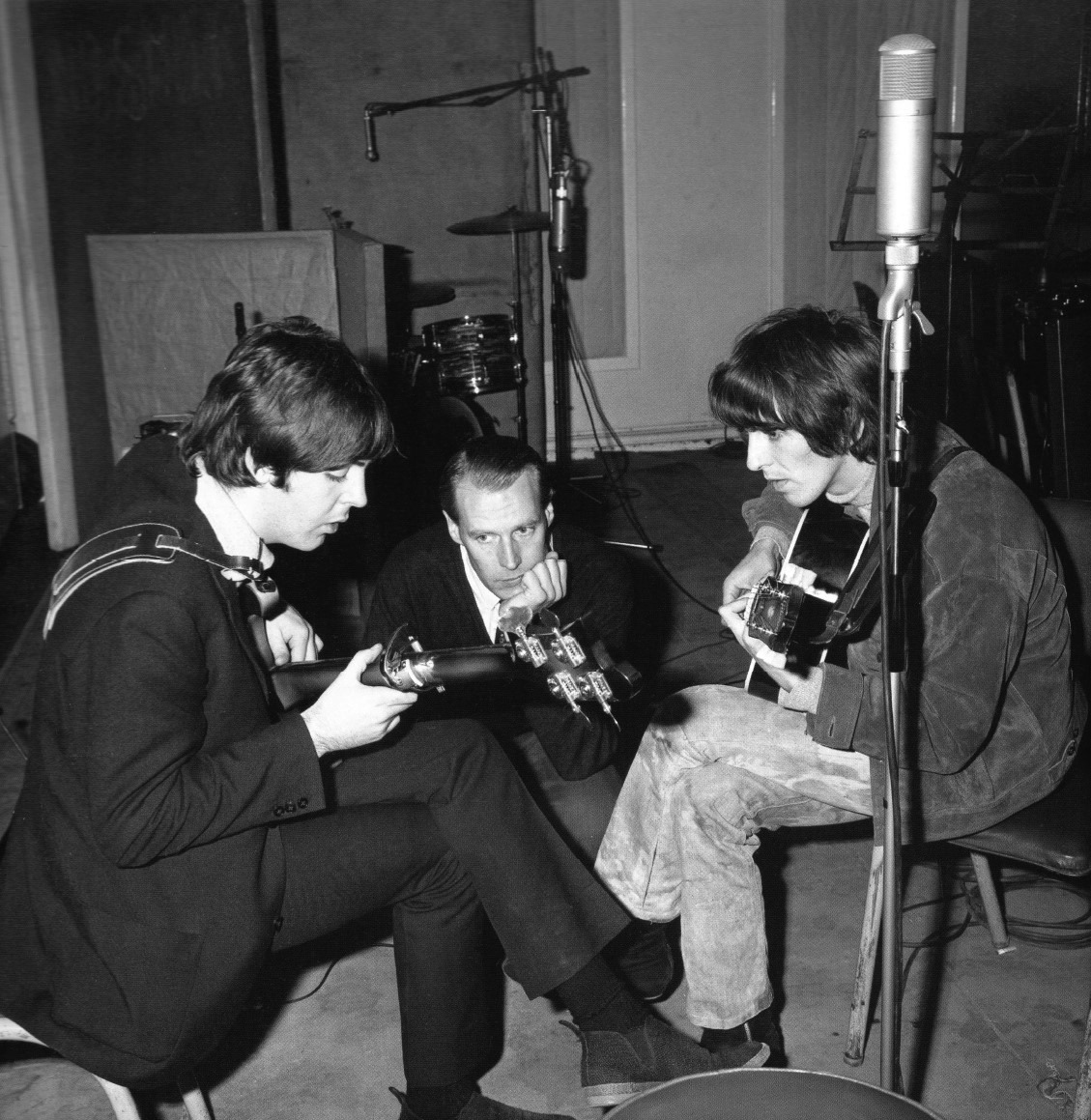
This was the twelfth day of work on The Beatles’ new album “Rubber Soul,” and on this day, from 2:30 pm to 11:30 pm, they recorded Paul McCartney’s song “Michelle.”
The backing track featured Paul on acoustic guitar and lead vocals, with Ringo Starr on drums. The instruments were recorded onto track one of the four-track tape, while Paul’s vocal was placed on track two. Only one take was needed to get a satisfying backing track.
Overdubs onto Take 1 followed. Paul recorded a lead guitar part onto track four, and his bass part onto track three. With all four tracks now full, a reduction mix was made, combining tracks four and three onto track four, thereby freeing up track three. This reduction mix was labelled Take 2.
Onto track three of Take 2, Paul recorded an additional acoustic guitar part, while he, John Lennon and George Harrison added backing vocals.
This completed the recording of the track. It would be mixed in stereo on November 9 and in mono on November 15.
The bass line for this was thought up on the spot. I would never have played ‘Michelle’ on bass until I had to record the bass line. Bass wasn’t an instrument you sat around and sung to. I remember that opening six-note phrase against the descending chords in ‘Michelle’ was like a great moment in my life. I think I had enough musical experience after years of playing, so it was just in me. I realised I could do that. It’s quite a well-known trick. I’m sure jazz players have done that.
Paul McCartney – From “The Beatles: Off the Record” by Keith Badman, 2008

Recording • Take 1
Recording • SI onto take 1
Recording • Tape reduction take 1 into take 2
Recording • SI onto take 2
The Complete Beatles Recording Sessions • Mark Lewisohn
The definitive guide for every Beatles recording sessions from 1962 to 1970. We owe a lot to Mark Lewisohn for the creation of those session pages, but you really have to buy this book to get all the details - the number of takes for each song, who contributed what, a description of the context and how each session went, various photographies... And an introductory interview with Paul McCartney!
The Beatles Recording Reference Manual - Volume 2 - Help! through Revolver (1965-1966)
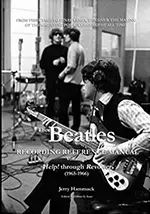
The second book of the Association for Recorded Sound Collections (ARSC)-nominated series, "The Beatles Recording Reference Manual: Volume 2: Help! through Revolver (1965-1966)" follows the evolution of the band from the end of Beatlemania with "Help!" through the introspection of "Rubber Soul" up to the sonic revolution of "Revolver". From the first take to the final remix, discover the making of the greatest recordings of all time.Through extensive, fully-documented research, these books fill an important gap left by all other Beatles books published to date and provide a unique view into the recordings of the world's most successful pop music act.

Notice any inaccuracies on this page? Have additional insights or ideas for new content? Or just want to share your thoughts? We value your feedback! Please use the form below to get in touch with us.


