
Monday, September 30, 1968
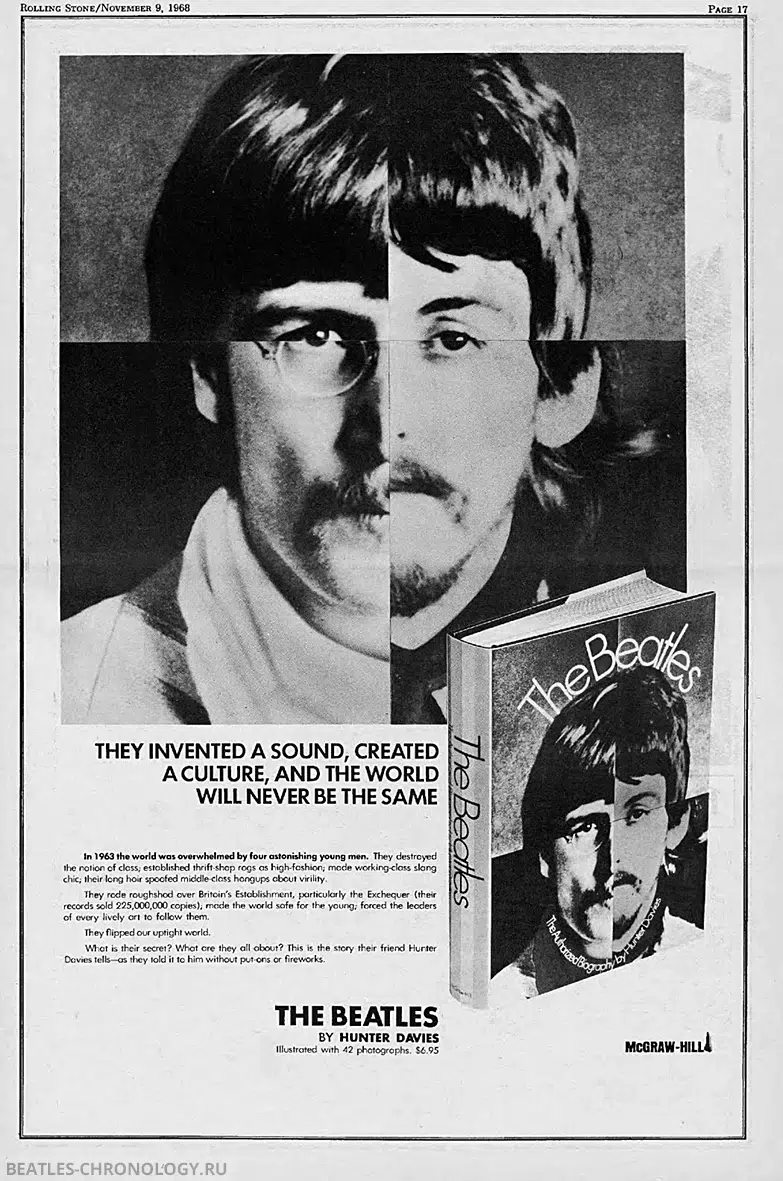
Hunter Davies’ authorized Beatles biography released in the UK
Last updated on October 6, 2024
Monday, September 30, 1968
Last updated on October 6, 2024
Session Sep 26, 1968 • Mixing "Happiness Is A Warm Gun", "What's The New Mary Jane", "Glass Onion", "I Will"
Article Sep 28, 1968 • "The Beatles" double-album is announced
Article Sep 30, 1968 • Hunter Davies' authorized Beatles biography released in the UK
Article Fall 1968 • Apple faces business problems

“The Ocean View” book published
December 1982

“Yesterday: The Beatles, 1963-1965” book published
January 1983 ?

Paul’s biography “Many Years from Now” released
Oct 02, 1997

"Paintings" book published in the UK
Sep 14, 2000

Publication of “The Beatles Anthology” book
Oct 05, 2000

“High In The Clouds” children book released
Oct 03, 2005

“A Day In The Life Of The Beatles” book released
Oct 19, 2010

“Linda McCartney: Life in Photographs” published
Jun 01, 2011

New “Meat Free Monday Cookbook” published
Oct 20, 2011
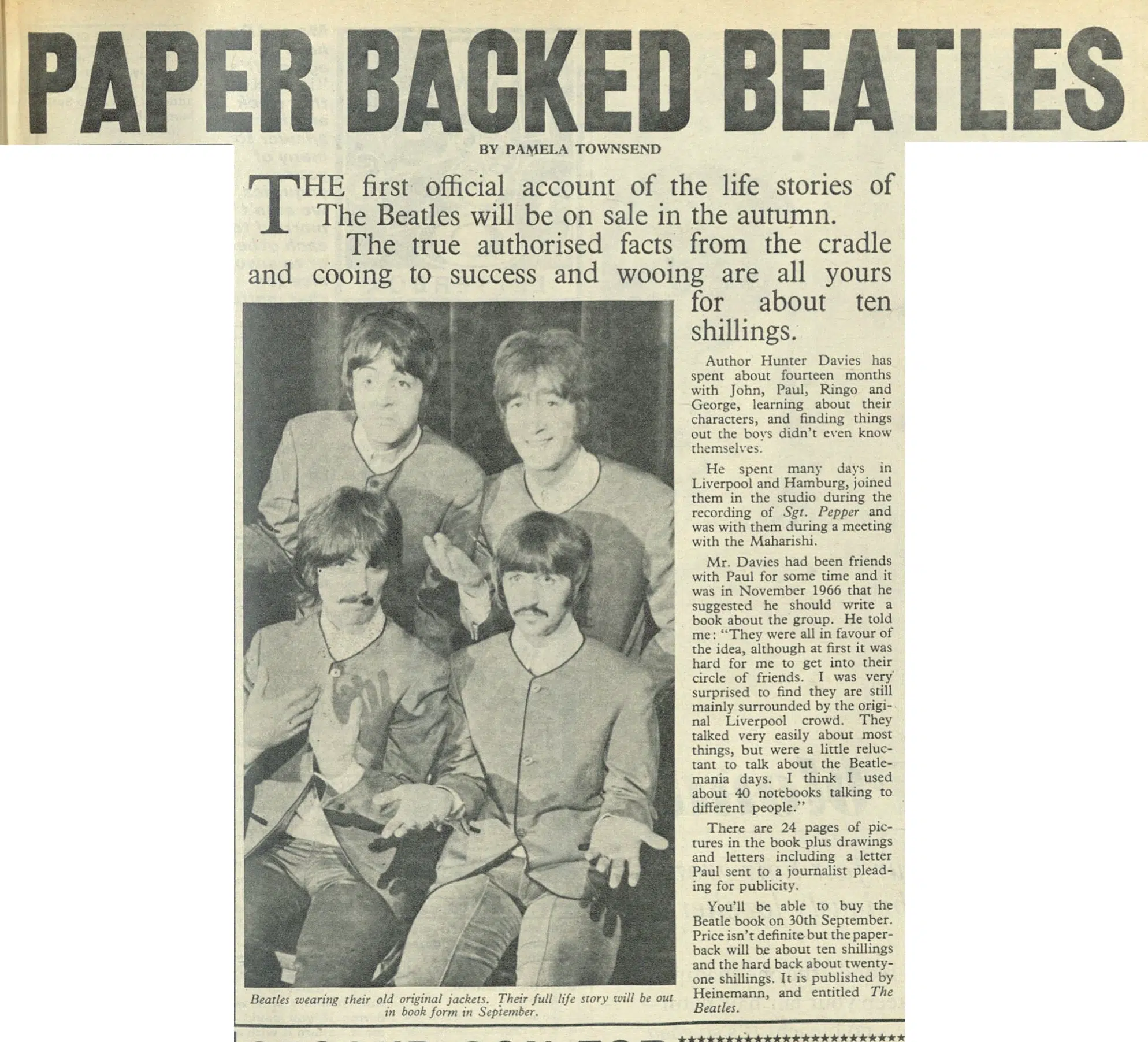
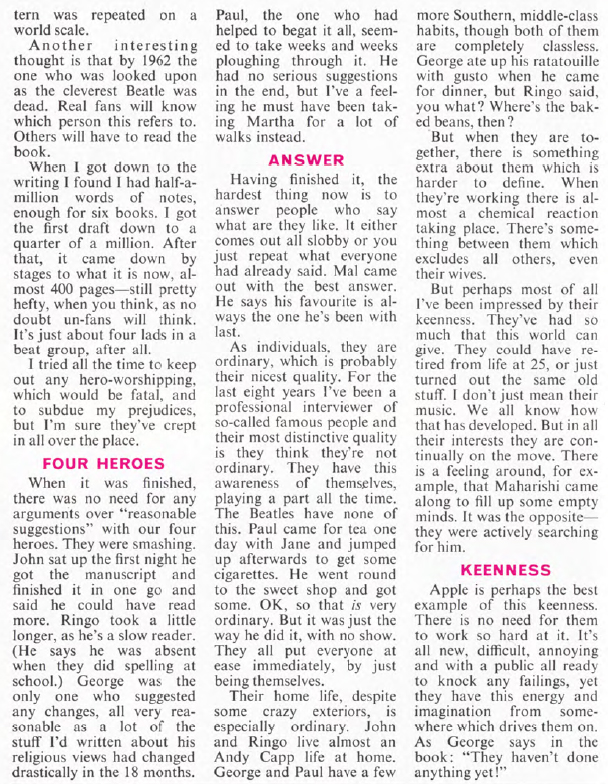
PAPER BACKED BEATLES
THE first official account of the life stories of The Beatles will be on sale in the autumn. The true authorised facts from the cradle and cooing to success and wooing are all yours for about ten shillings.
Author Hunter Davies has spent about fourteen months with John, Paul, Ringo and George, learning about their characters, and finding things out the boys didn’t even know themselves. He spent many days in Liverpool and Hamburg, joined them in the studio during the recording of Sgt. Pepper and was with them during a meeting with the Maharishi.
Mr. Davies had been friends with Paul for some time and it was in November 1966 that he suggested he should write a book about the group. He told me: “They were all in favour of the idea, although at first it was hard for me to get into their circle of friends. I was very surprised to find they are still mainly surrounded by the original Liverpool crowd. They talked very easily about most things, but were a little reluctant to talk about the Beatle-mania days. I think I used about 40 notebooks talking to different people.”
There are 24 pages of pictures in the book plus drawings and letters including a letter Paul sent to a journalist pleading for publicity.
You’ll be able to buy the Beatle book on 30th September. Price isn’t definite but the paperback will be about ten shillings and the hard back about twenty-one shillings. It is published by Heinemann, and entitled The Beatles.
From Fabulous208 – February 24, 1968
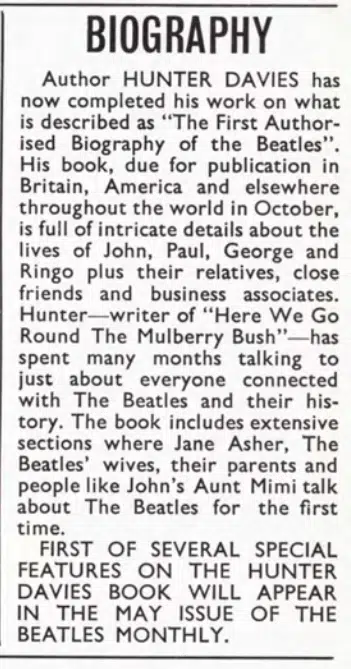
BIOGRAPHY
Author HUNTER DAVIES has now completed his work on what is described as “The First Authorised Biography of the Beatles”. His book, due for publication in Britain, America and elsewhere throughout the world in October, is full of intricate details about the lives of John, Paul, George and Ringo plus their relatives, close friends and business associates. Hunter — writer of “Here We Go Round The Mulberry Bush” — has spent many months talking to just about everyone connected with The Beatles and their history. The book includes extensive sections where Jane Asher, The Beatles’ wives, their parents and people like John’s Aunt Mimi talk about The Beatles for the first time.
FIRST OF SEVERAL SPECIAL FEATURES ON THE HUNTER DAVIES BOOK WILL APPEAR IN THE MAY ISSUE OF THE BEATLES MONTHLY.
From the Beatles Monthly Book, N°57, April 1968
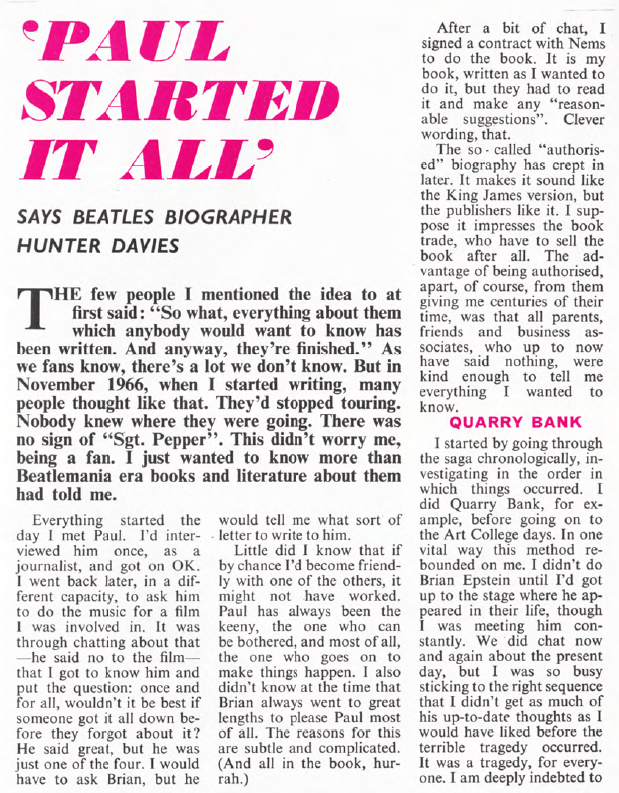
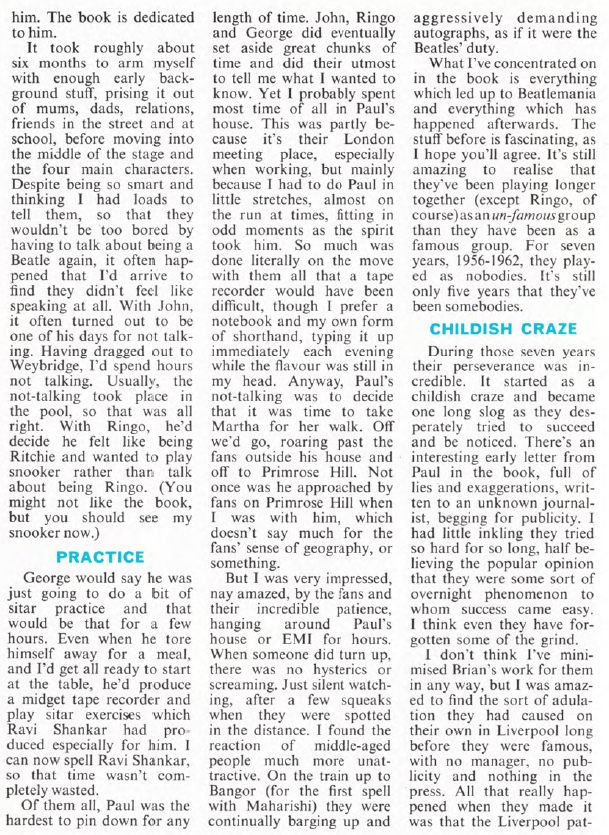
‘PAUL STARTED IT ALL’ SAYS BEATLES BIOGRAPHER HUNTER DAVIES
The few people I mentioned the idea to at first said: “So what, everything about them which anybody would want to know has been written. And anyway, they’re finished.” As we fans know, there’s a lot we don’t know. But in November 1966, when I started writing, many people thought like that. They’d stopped touring. Nobody knew where they were going. There was no sign of “Sgt. Pepper”. This didn’t worry me, being a fan. I just wanted to know more than Beatlemania era books and literature about them had told me.
Everything started the day I met Paul. I’d interviewed him once, as a journalist, and got on OK. I went back later, in a different capacity, to ask him to do the music for a film I was involved in. It was through chatting about that — he said no to the film — that I got to know him and put the question: once and for all, wouldn’t it be best if someone got it all down before they forgot about it? He said great, but he was just one of the four. I would have to ask Brian, but he would tell me what sort of letter to write to him.
Little did I know that if by chance I’d become friendly with one of the others, it might not have worked. Paul has always been the keeny, the one who can be bothered, and most of all, the one who goes on to make things happen. I also didn’t know at the time that Brian always went to great lengths to please Paul most of all. The reasons for this are subtle and complicated. (And all in the book, hurrah.)
After a bit of chat, I signed a contract with Nems to do the book. It is my book, written as I wanted to do it, but they had to read it and make any “reasonable suggestions”. Clever wording, that.
The so-called “authorised” biography has crept in later. It makes it sound like the King James version, but the publishers like it. I suppose it impresses the book trade, who have to sell the book after all. The advantage of being authorised, apart, of course, from them giving me centuries of their time, was that all parents, friends and business associates, who up to now have said nothing, were kind enough to tell me everything I wanted to know.
QUARRY BANK
I started by going through the saga chronologically, investigating in the order in which things occurred. I did Quarry Bank, for example, before going on to the Art College days. In one vital way this method rebounded on me. I didn’t do Brian Epstein until I’d got up to the stage where he appeared in their life, though I was meeting him constantly. We did chat now and again about the present day, but I was so busy sticking to the right sequence that I didn’t get as much of his up-to-date thoughts as I would have liked before the terrible tragedy occurred. It was a tragedy, for everyone. I am deeply indebted to him. The book is dedicated to him.
It took roughly about six months to arm myself with enough early background stuff, prising it out of mums, dads, relations, friends in the street and at school, before moving into the middle of the stage and the four main characters. Despite being so smart and thinking I had loads to tell them, so that they wouldn’t be too bored by having to talk about being a Beatle again, it often happened that I’d arrive to find they didn’t feel like speaking at all. With John, it often turned out to be one of his days for not talking. Having dragged out to Weybridge, I’d spend hours not talking. Usually, the not-talking took place in the pool, so that was all right. With Ringo, he’d decide he felt like being Ritchie and wanted to play snooker rather thar talk about being Ringo. (You might not like the book, but you should see my snooker now.)
PRACTICE
George would say he was just going to do a bit of sitar practice and that would be that for a few hours. Even when he tore himself away for a meal, and I’d get all ready to start at the table, he’d produce a midget tape recorder and play sitar exercises which Ravi Shankar had produced especially for him. I can now spell Ravi Shankar, so that time wasn’t completely wasted.
Of them all, Paul was the hardest to pin down for any length of time. John, Ringo and George did eventually set aside great chunks of time and did their utmost to tell me what I wanted to know. Yet I probably spent most time of all in Paul’s house. This was partly because it’s their London meeting place, especially when working, but mainly because I had to do Paul in little stretches, almost on the run at times, fitting in odd moments as the spirit took him. So much was done literally on the move with them all that a tape recorder would have been difficult, though I prefer a notebook and my own form of shorthand, typing it up immediately each evening while the flavour was still in my head. Anyway, Paul’s not-talking was to decide that it was time to take Martha for her walk. Off we’d go, roaring past the fans outside his house and off to Primrose Hill. Not once was he approached by fans on Primrose Hill when I was with him, which doesn’t say much for the fans’ sense of geography, or something.
But I was very impressed, nay amazed, by the fans and their incredible patience, hanging around Paul’s house or EMI for hours. When someone did turn up, there was no hysterics or screaming. Just silent watching, after a few squeaks when they were spotted in the distance. I found the reaction of middle-aged people much more unattractive. On the train up to Bangor (for the first spell with Maharishi) they were continually barging up and aggressively demanding autographs, as if it were the Beatles’ duty.
What I’ve concentrated on in the book is everything which led up to Beatlemania and everything which has happened afterwards. The stuff before is fascinating, as I hope you’ll agree, It’s still amazing to realise that they’ve been playing longer together (except Ringo, of course) as an un-famous group than they have been as a famous group. For seven years, 1956-1962, they played as nobodies. It’s still only five years that they’ve been somebodies.
CHILDISH CRAZE
During those seven years their perseverance was incredible. It started as a childish craze and became one fong slog as they desperately tried to succeed and be noticed. There’s an interesting early letter from Paul in the book, full of lies and exaggerations, written to an unknown journalist, begging for publicity. I had little inkling they tried so hard for so long, half believing the popular opinion that they were some sort of overnight phenomenon to whom success came easy. I think even they have forgotten some of the grind.
I don’t think I’ve minimised Brian’s work for them in any way, but I was amazed to find the sort of adulation they had caused on their own in Liverpool long before they were famous, with no manager, no publicity and nothing in the press. All that really happened when they made it was that the Liverpool pattern was repeated on a world scale.
Another interesting thought is that by 1962 the one who was looked upon as the cleverest Beatle was dead. Real fans will know which person this refers to. Others will have to read the book.
When I got down to the writing I found I had half-a-million words of notes, enough for six books. I got the first draft down to a quarter of a million. After that, it came down by stages to what it is now, almost 400 pages—still pretty hefty, when you think, as no doubt un-fans will think. It’s just about four lads in a beat group, after all.
I tried all the time to keep out any hero-worshipping which would be fatal, and to subdue my prejudices, but I’m sure they’ve crept in all over the place.
FOUR HEROES
When it was finished, there was no need for any arguments over “reasonable suggestions” with our four heroes. They were smashing. John sat up the first night he got the manuscript and finished it in one go and said he could have read more. Ringo took a little longer, as he’s a slow reader. (He says he was absent when they did spelling at school.) George was the only one who suggested any changes, all very reasonable as a lot of the stuff I’d written about his religious views had changed drastically in the 18 months. Paul, the one who had helped to begat it all, seemed to take weeks and weeks ploughing through it. He had no serious suggestions in the end, but I’ve a feeling he must have been taking Martha for a lot of walks instead.
ANSWER
Having finished it, the hardest thing now is to answer people who say what are they like. It either comes out all slobby or you just repeat what everyone had already said. Mal came out with the best answer. He says his favourite is always the one he’s been with last.
As individuals, they are ordinary, which is probably their nicest quality. For the last eight years I’ve been a professional interviewer of so-called famous people and their most distinctive quality is they think they’re not ordinary. They have this awareness of themselves, playing a part all the time. The Beatles have none of this. Paul came for tea one day with Jane and jumped up afterwards to get some cigarettes. He went round to the sweet shop and got some. OK, so that is very ordinary. But it was just the way he did it, with no show. They all put everyone at ease immediately, by just being themselves.
Their home life, despite some crazy exteriors, is especially ordinary. John and Ringo live almost an Andy Capp life at home. George and Paul have a few more Southern, middle-class habits, though both of them are completely classless. George ate up his ratatouille with gusto when he came for dinner, but Ringo said, you what? Where’s the baked beans, then?
But when they are together, there is something extra about them which is harder to define. When they’re working there is almost a chemical reaction taking place. There’s something between them which excludes all others, even their wives.
But perhaps most of all I’ve been impressed by their keenness. They’ve had so much that this world can give. They could have retired from life at 25, or just turned out the same old stuff. I don’t just mean their music. We all know how that has developed. But in all their interests they are continually on the move. There is a feeling around, for example, that Maharishi came along to fill up some empty minds. It was the opposite – they were actively searching for him.
KEENNESS
Apple is perhaps the best example of this keenness. There is no need for them to work so hard at it. It’s all new, difficult, annoying and with a public all ready to knock any failings, yet they have this energy and imagination from somewhere which drives them on. As George says in the book: “They haven’t done anything yet!”
Hunter Davies – From the Beatles Monthly Book, N°60, July 1968
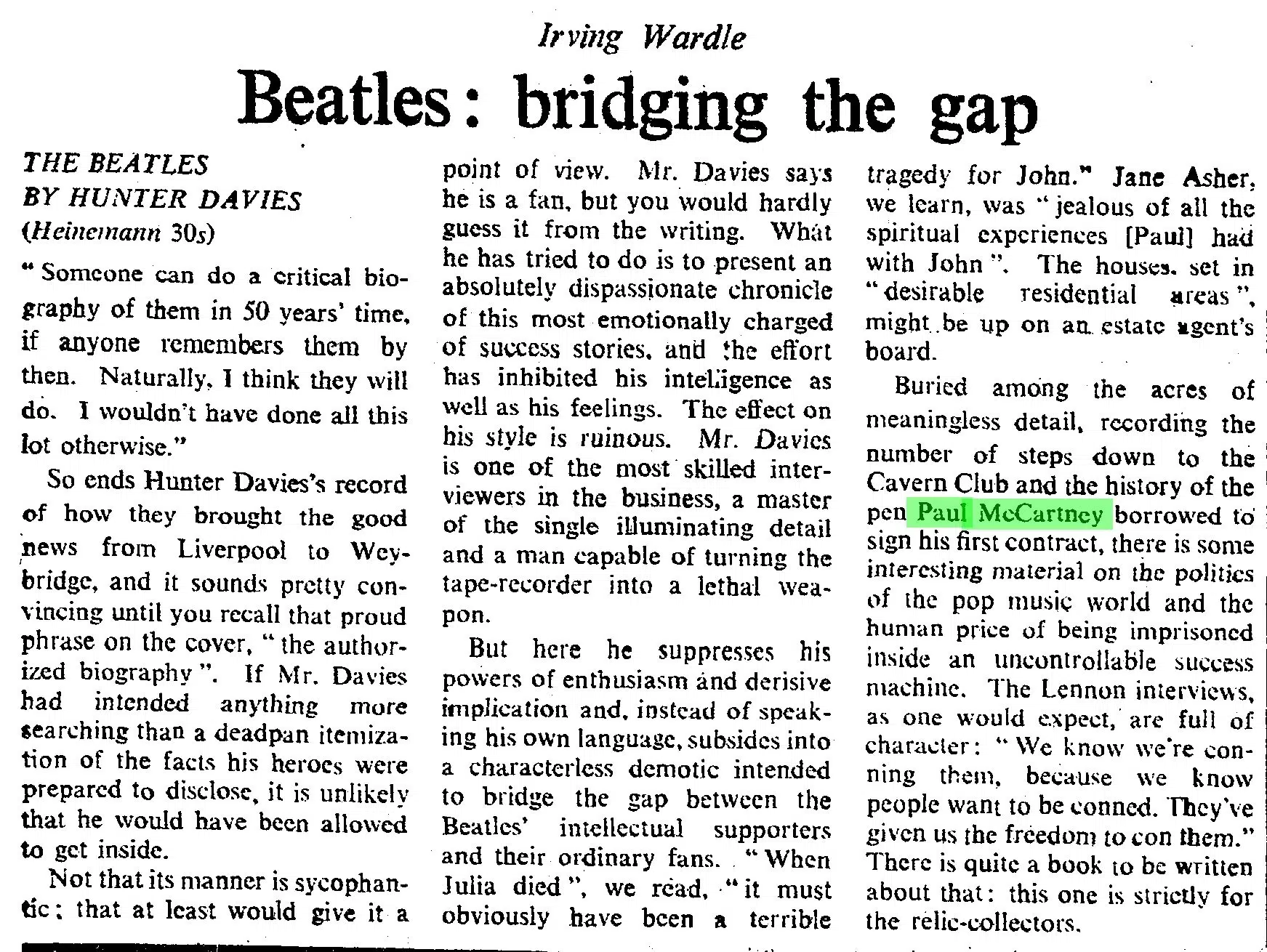
Beatles: bridging the gap
“Someone can do a critical biography of them in 50 years’ time, if anyone remembers them by then. Naturally, I think they will do. I wouldn’t have done all this lot otherwise.“
So ends Hunter Davies’s record of how they brought the good news from Liverpool to Weybridge, and it sounds pretty convincing until you recall that proud phrase on the cover, “the authorized biography”. If Mr. Davies had intended anything more searching than a deadpan itemization of the facts his heroes were prepared to disclose, it is unlikely that he would have been allowed to get inside.
Not that its manner is sycophantic; that at least would give it a point of view. Mr. Davies says he is a fan, but you would hardly guess it from the writing. What he has tried to do is to present an absolutely dispassionate chronicle of this most emotionally charged of success stories, and the effort has inhibited his intelligence as well as his feelings. The effect on his style is ruinous. Mr. Davies is one of the most skilled interviewers in the business, a master of the single illuminating detail and a man capable of turning the tape-recorder into a lethal weapon.
But here he suppresses his powers of enthusiasm and derisive implication and, instead of speaking his own language, subsides into a characterless demotic intended to bridge the gap between the Beatles’ intellectual supporters and their ordinary fans. “When Julia died”, we read, “it must obviously have been a terrible
tragedy for John.” Jane Asher, we learn, was “jealous of all the spiritual experiences [Paul] had with John”. The houses, set in “desirable residential areas”, might be up on an estate agent’s board.Buried among the acres of meaningless detail, recording the number of steps down to the Cavern Club and the history of the pen Paul McCartney borrowed to sign his first contract, there is some interesting material on the politics of the pop music world and the human price of being imprisoned inside an uncontrollable success machine. The Lennon interviews, as one would expect, are full of character: “We know we’re conning them, because we know people want to be conned. They’ve given us the freedom to con them.” There is quite a book to be written about that: this one is strictly for the relic-collectors.
From The Times London – October 5, 1968
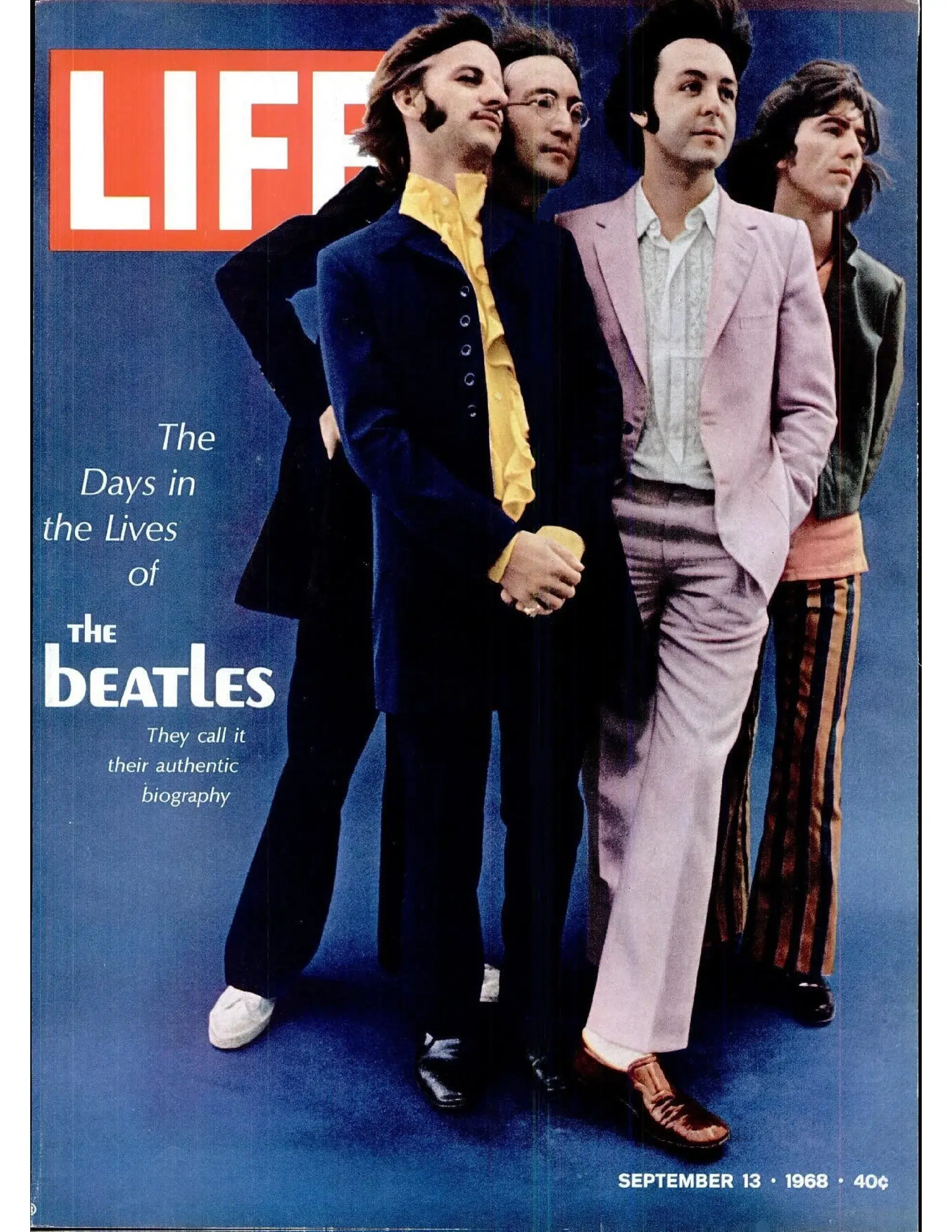
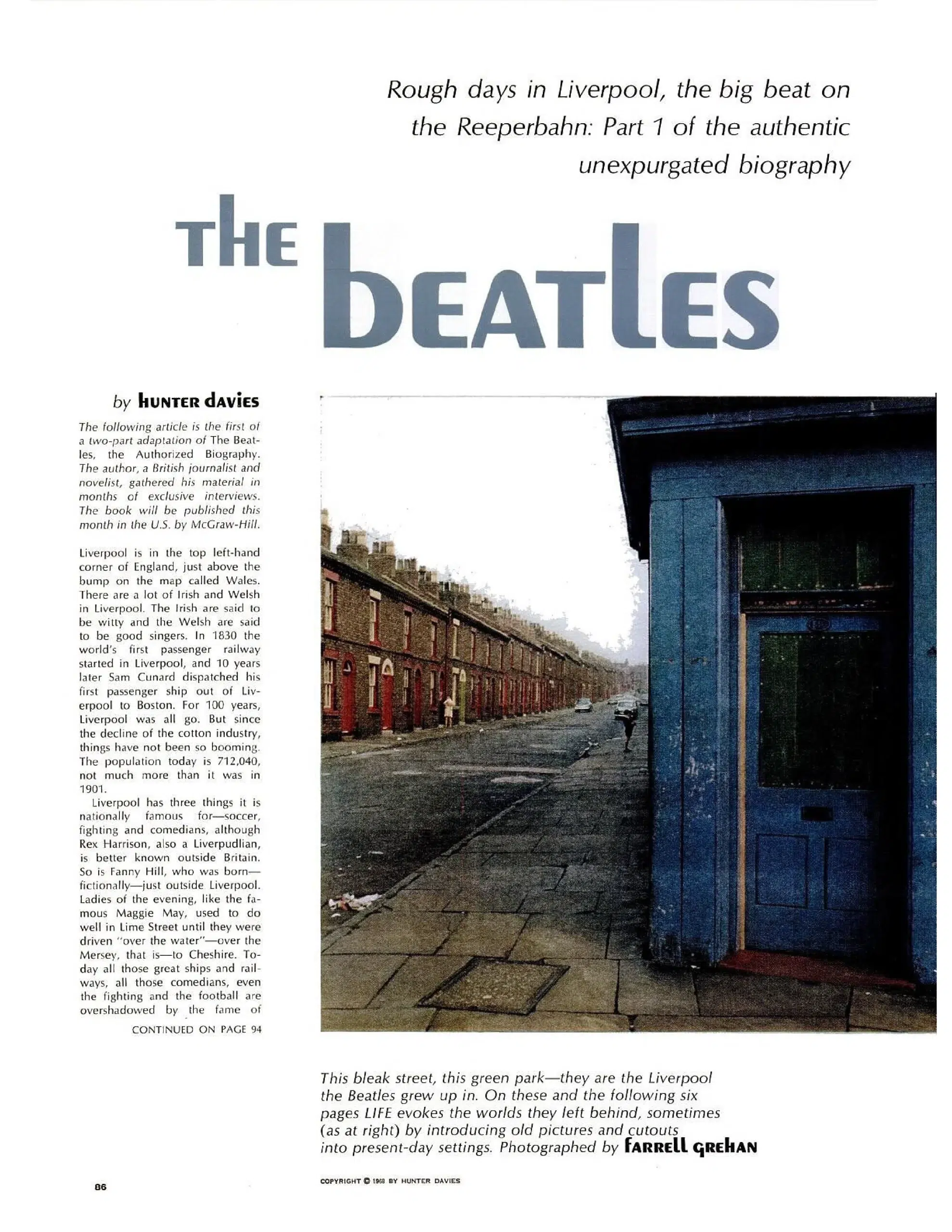
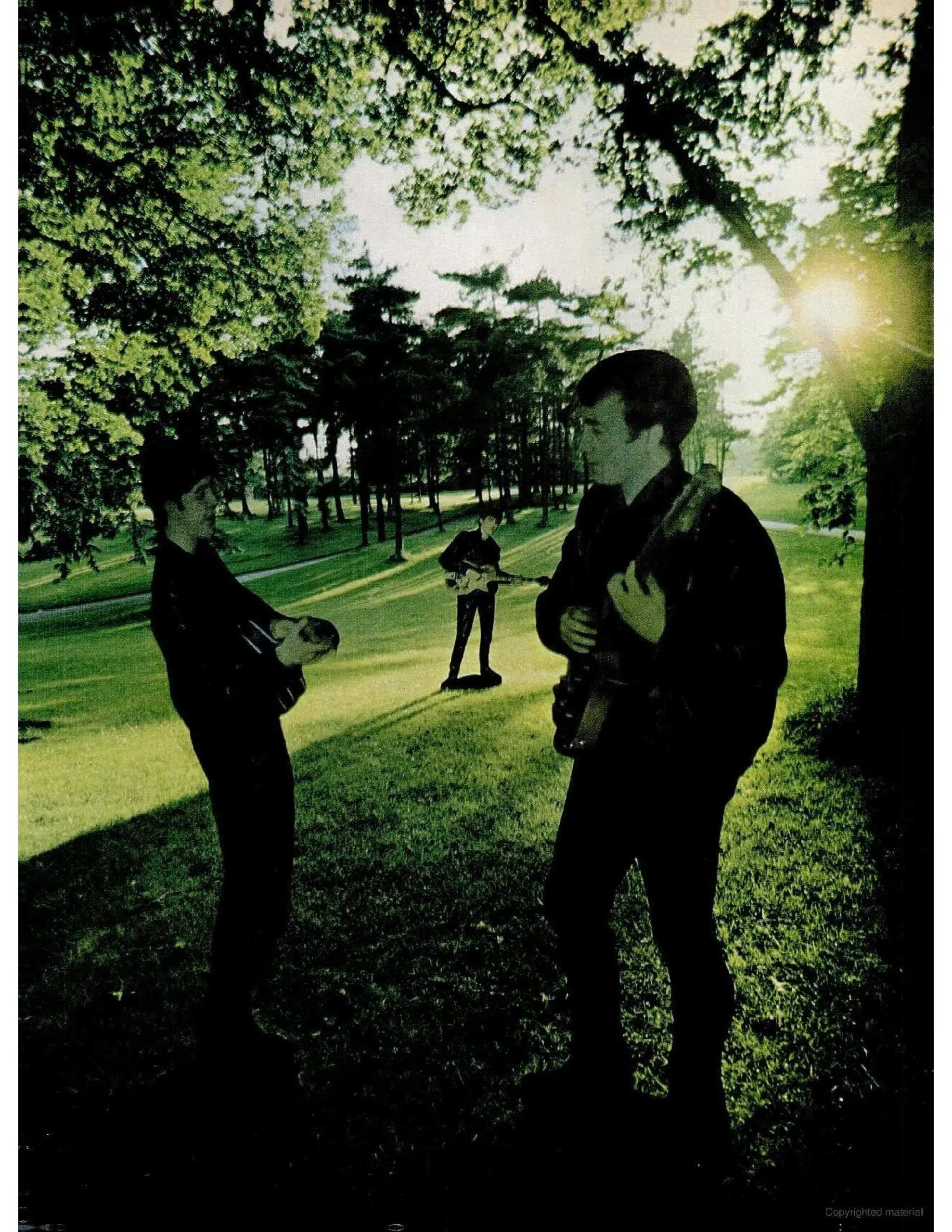
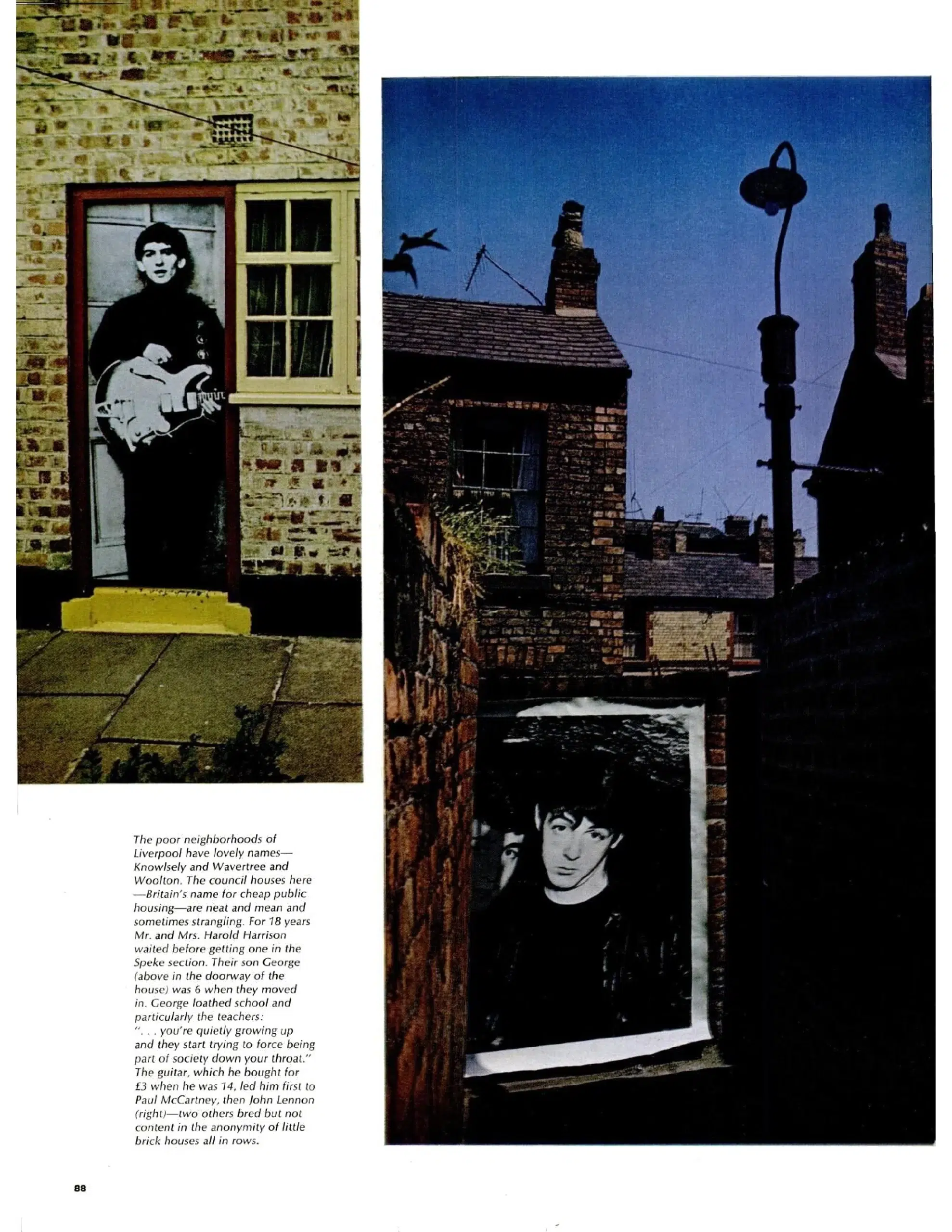
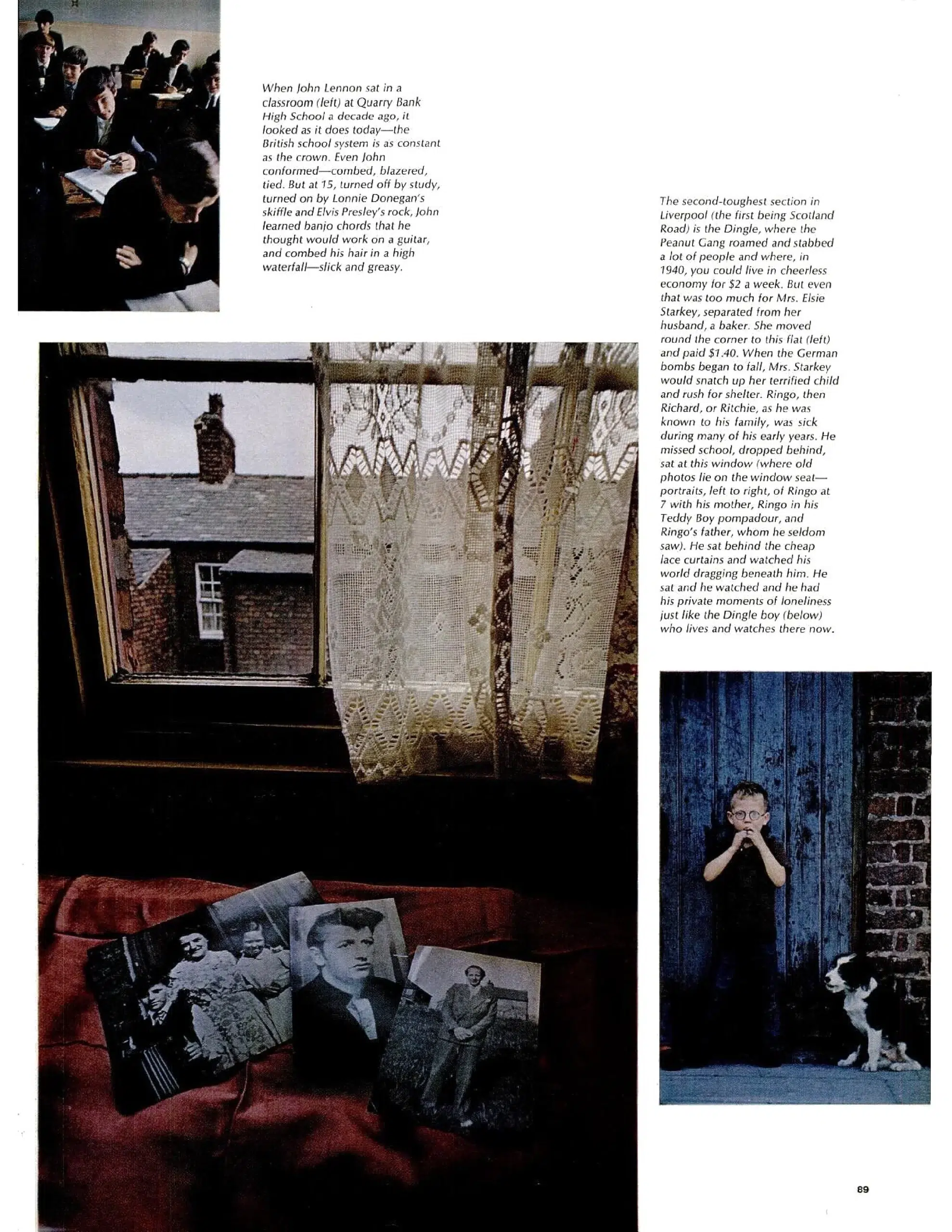
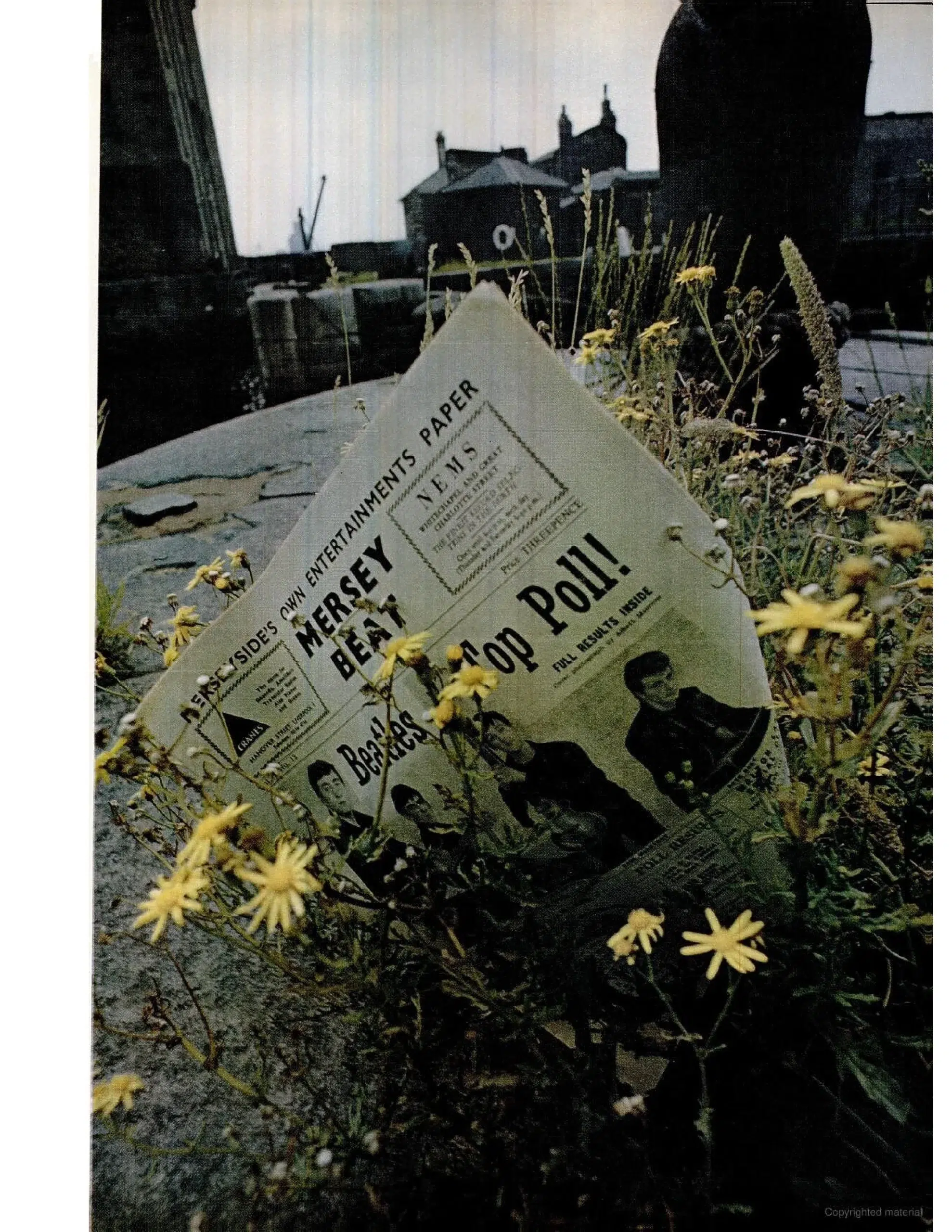
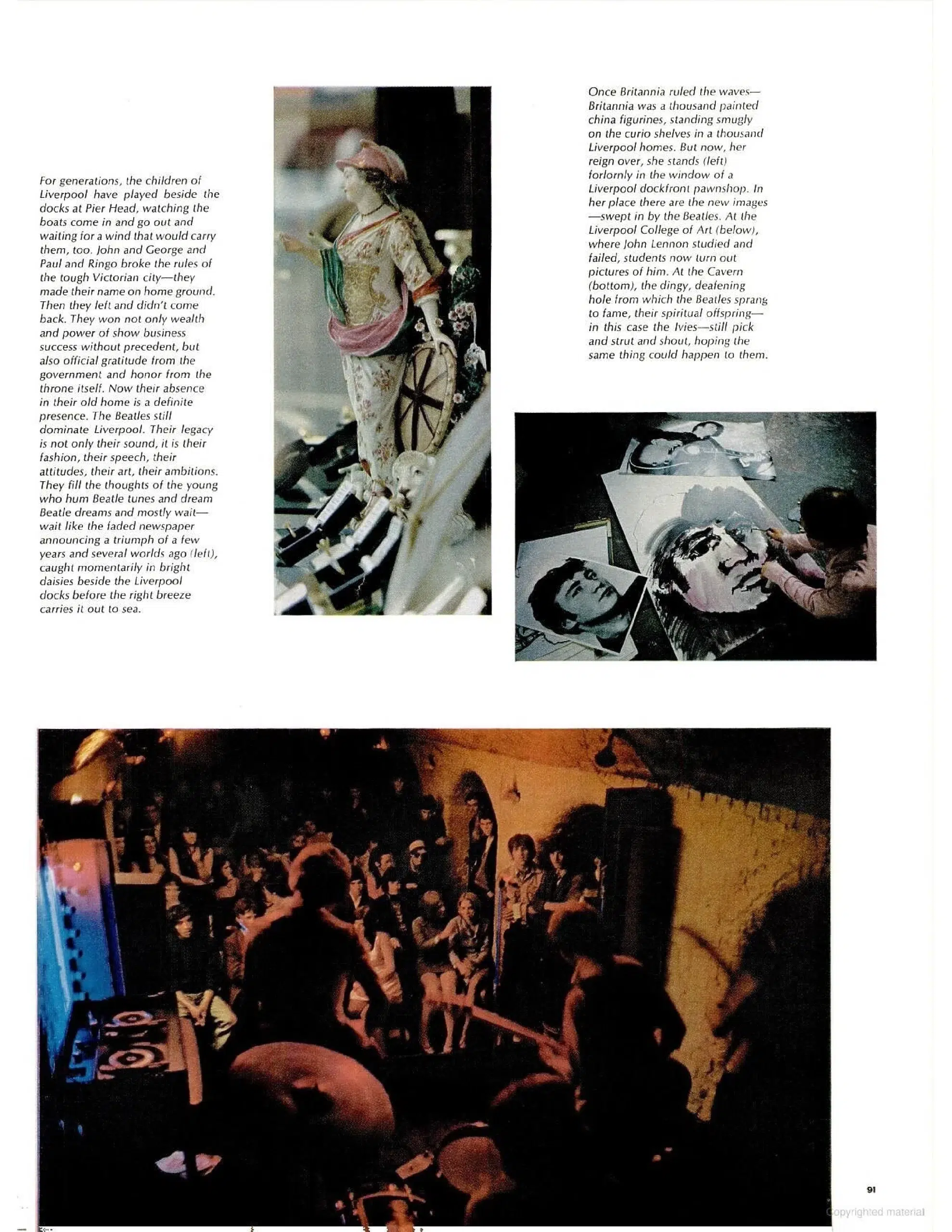
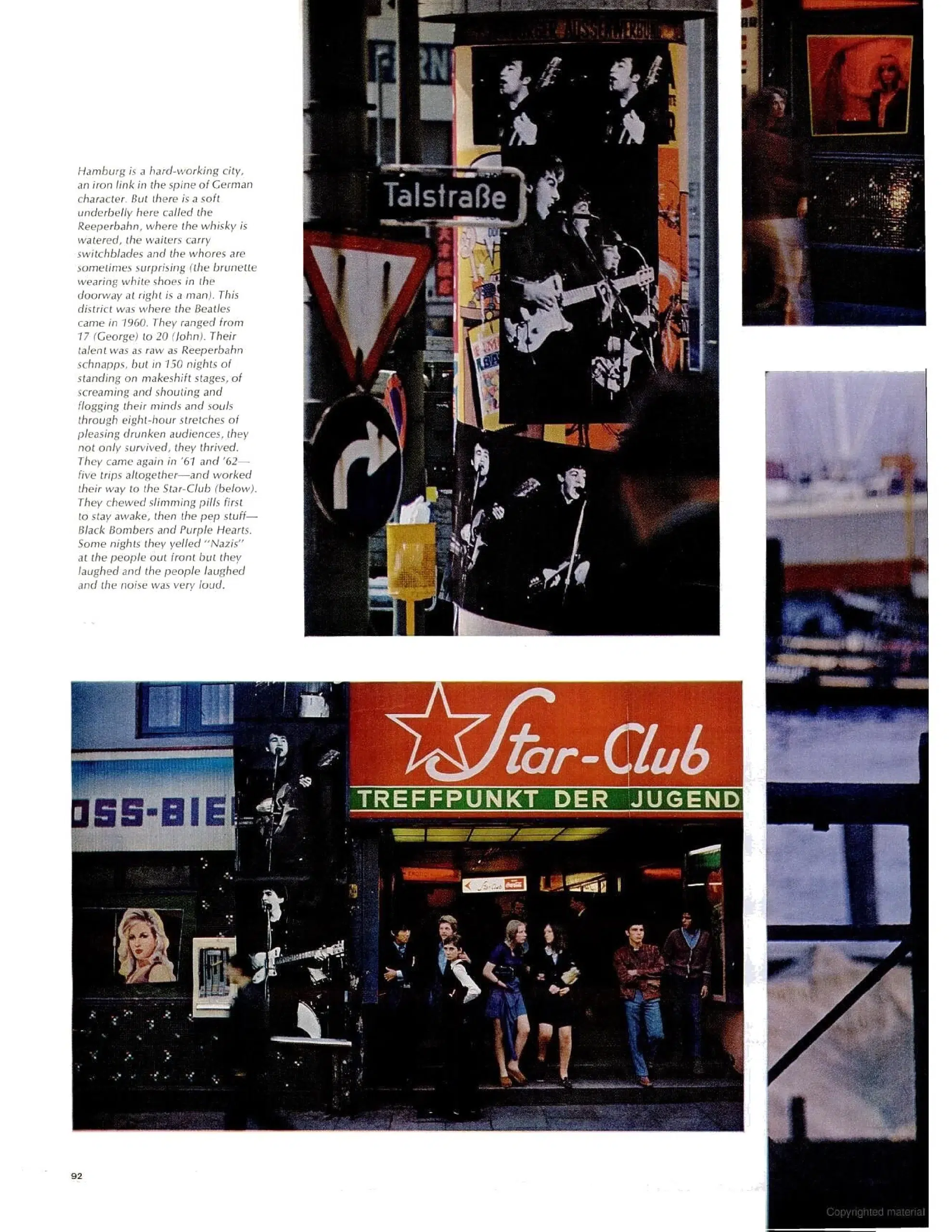
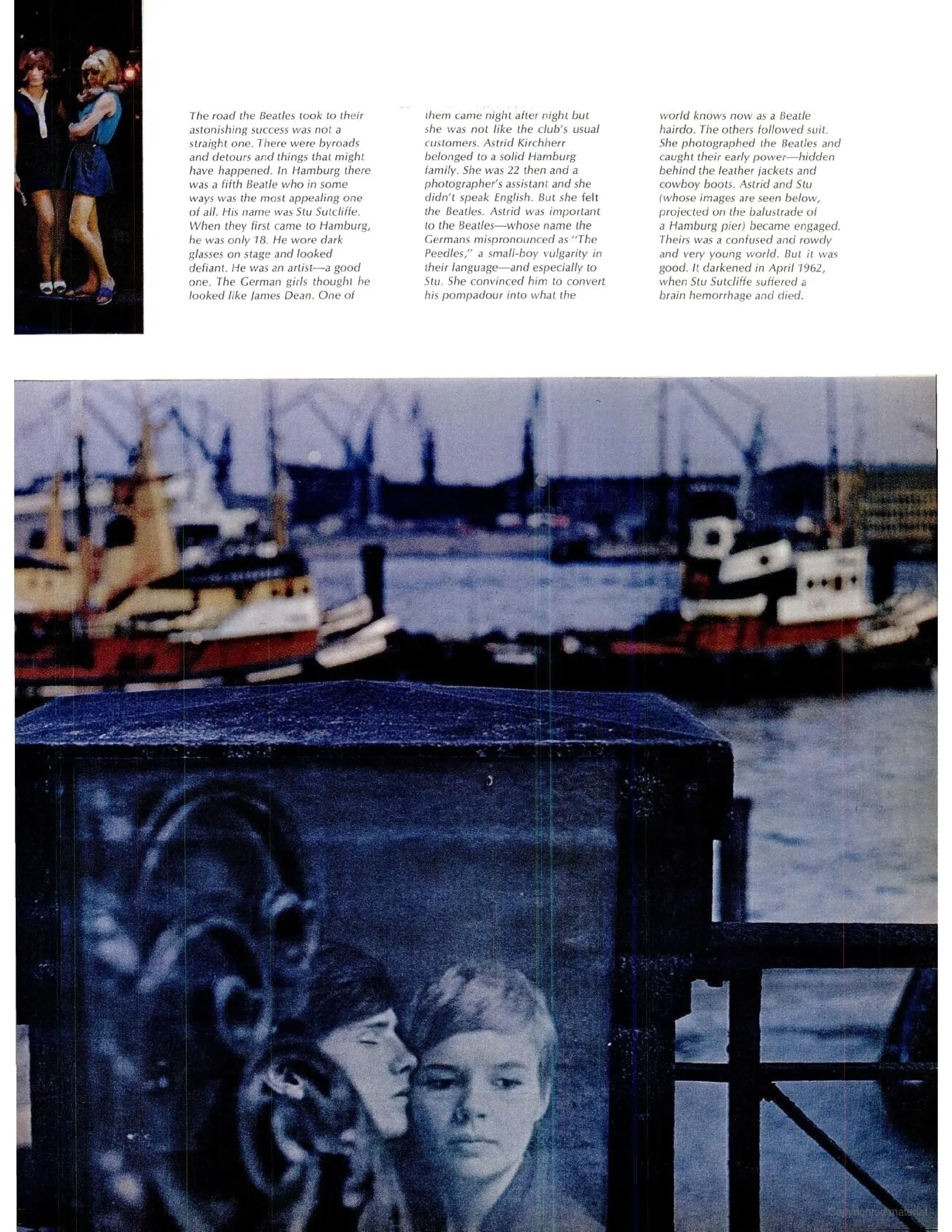
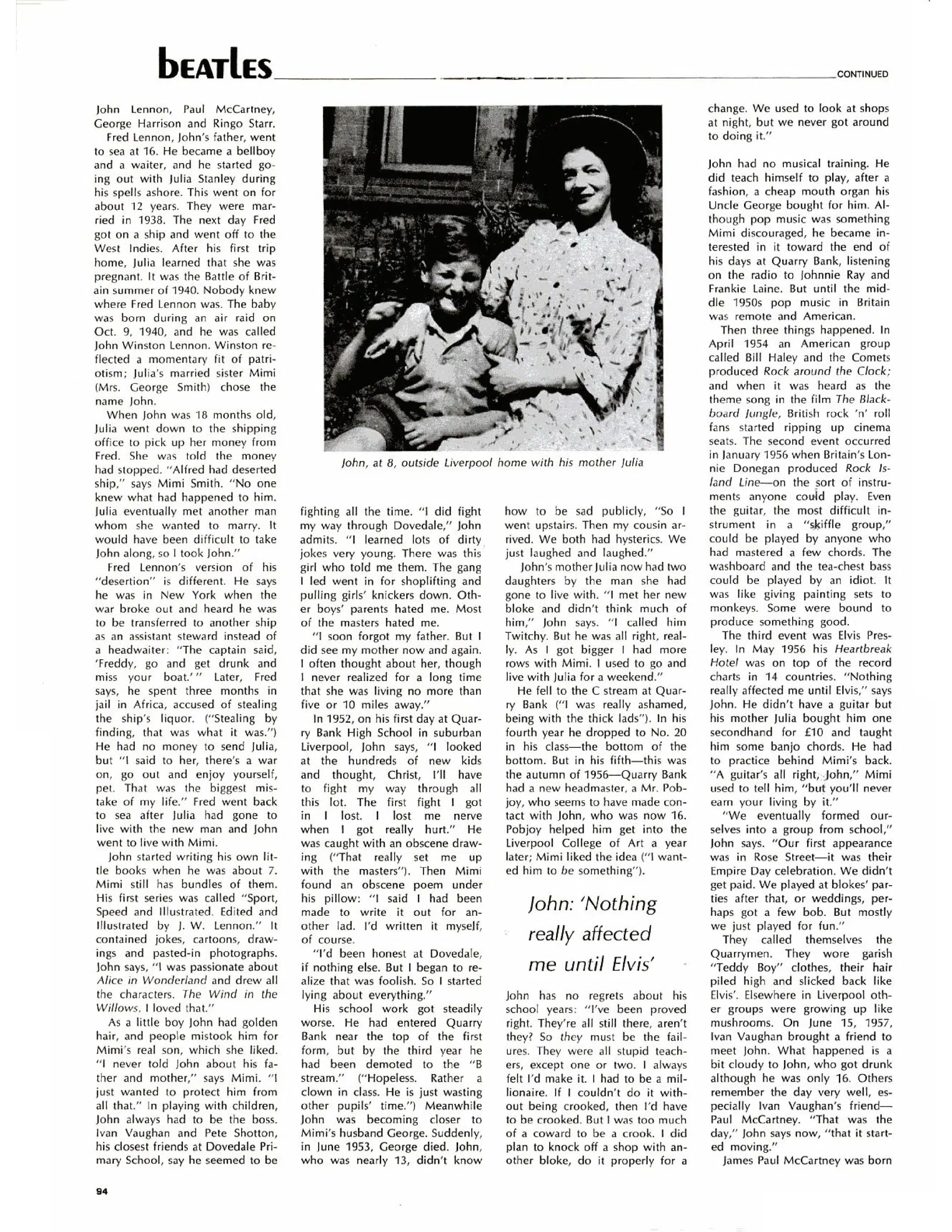
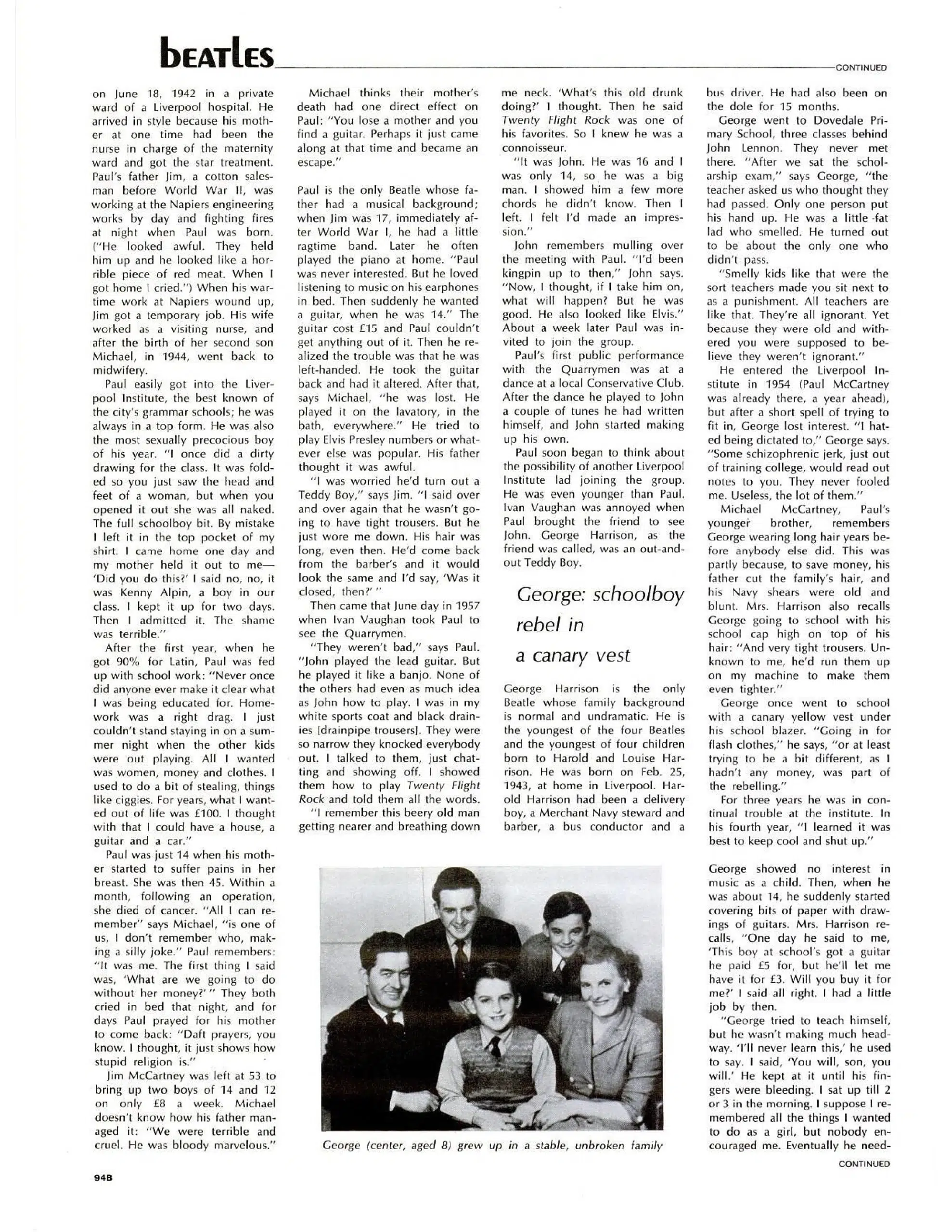
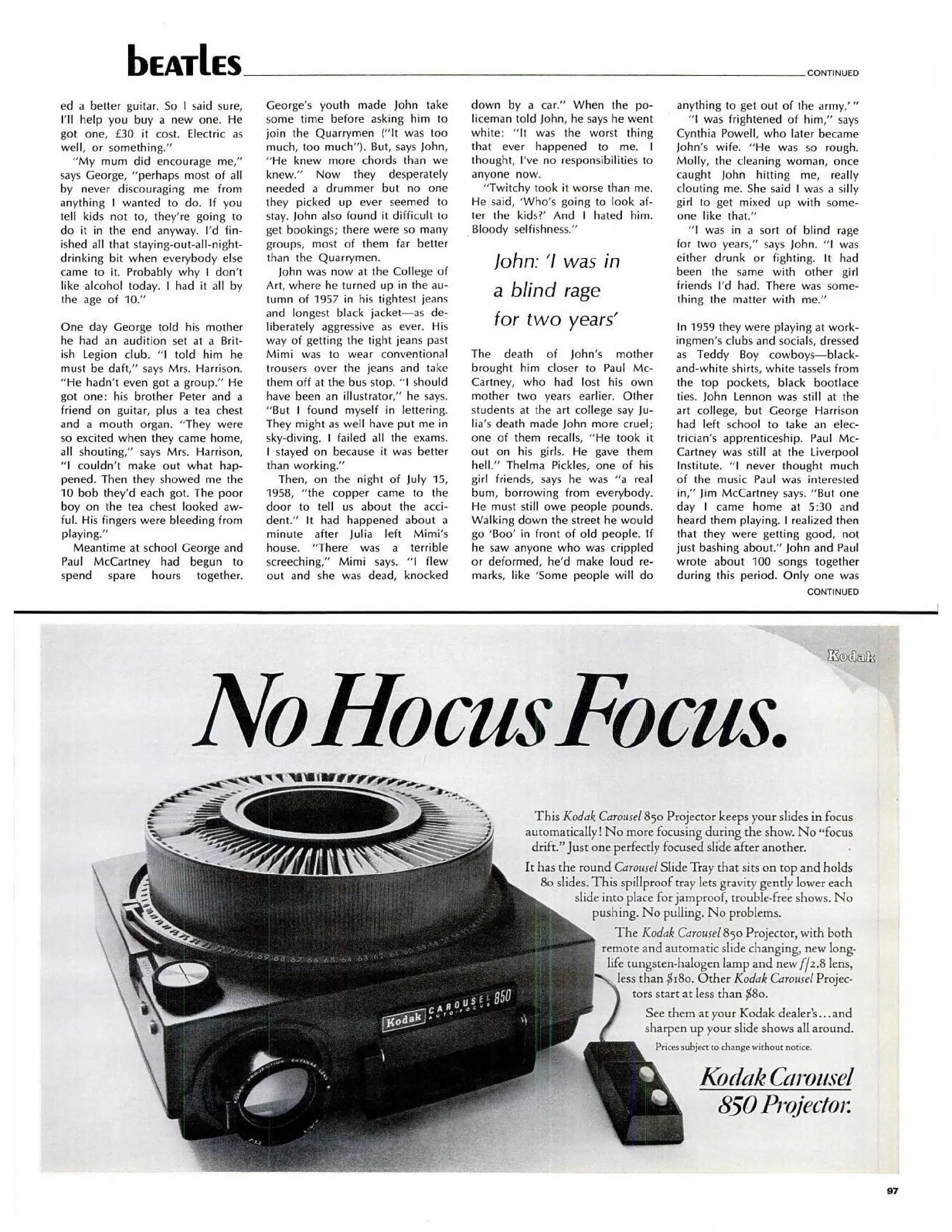
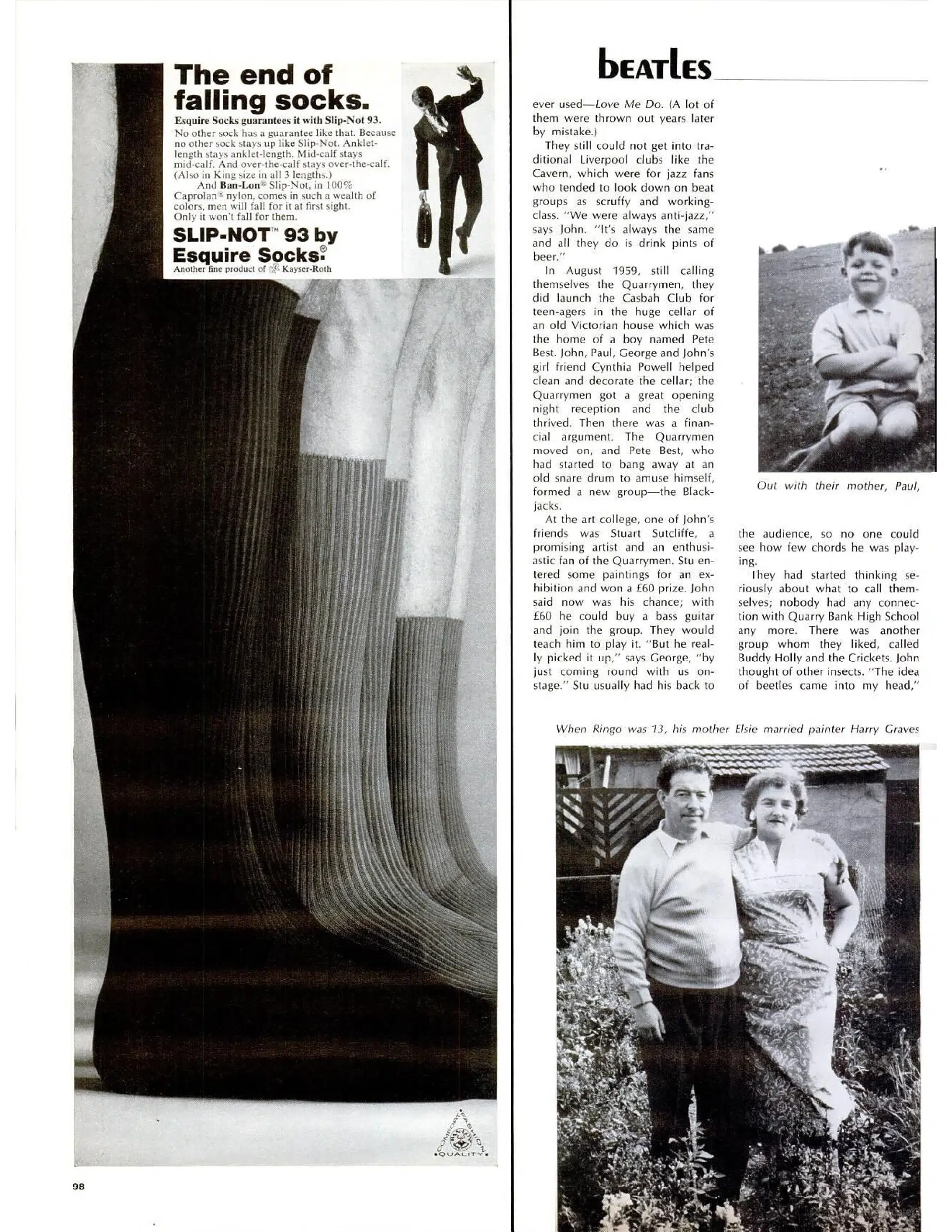
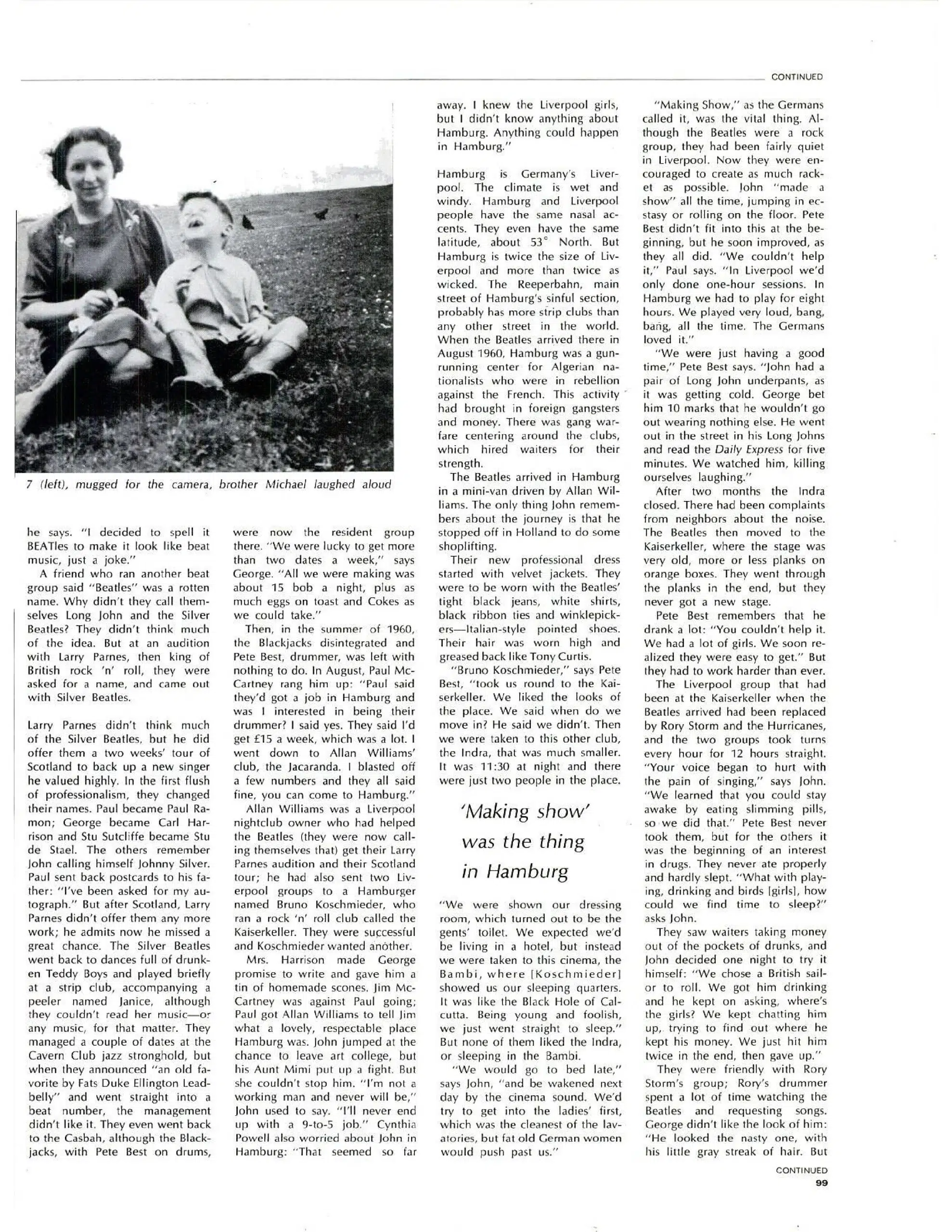
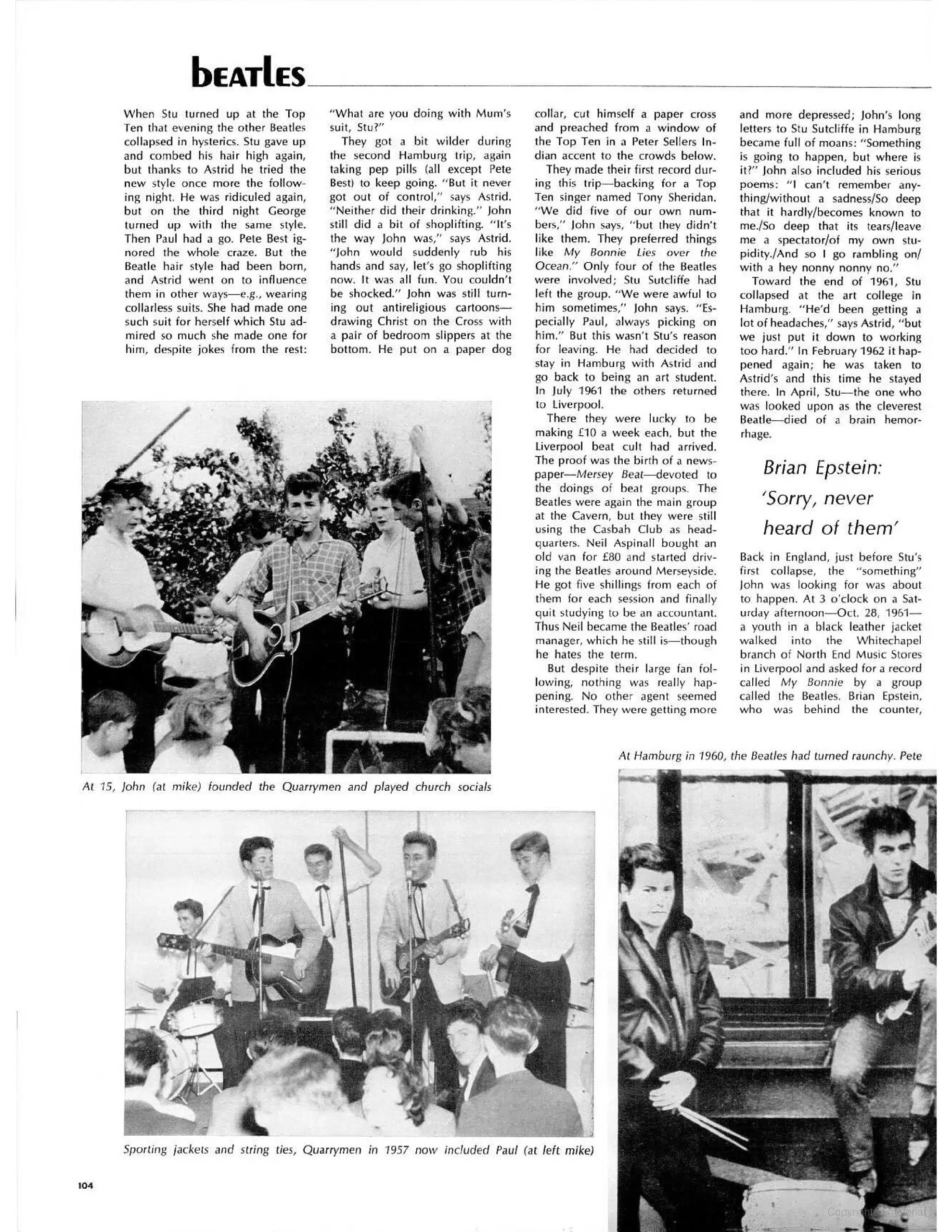
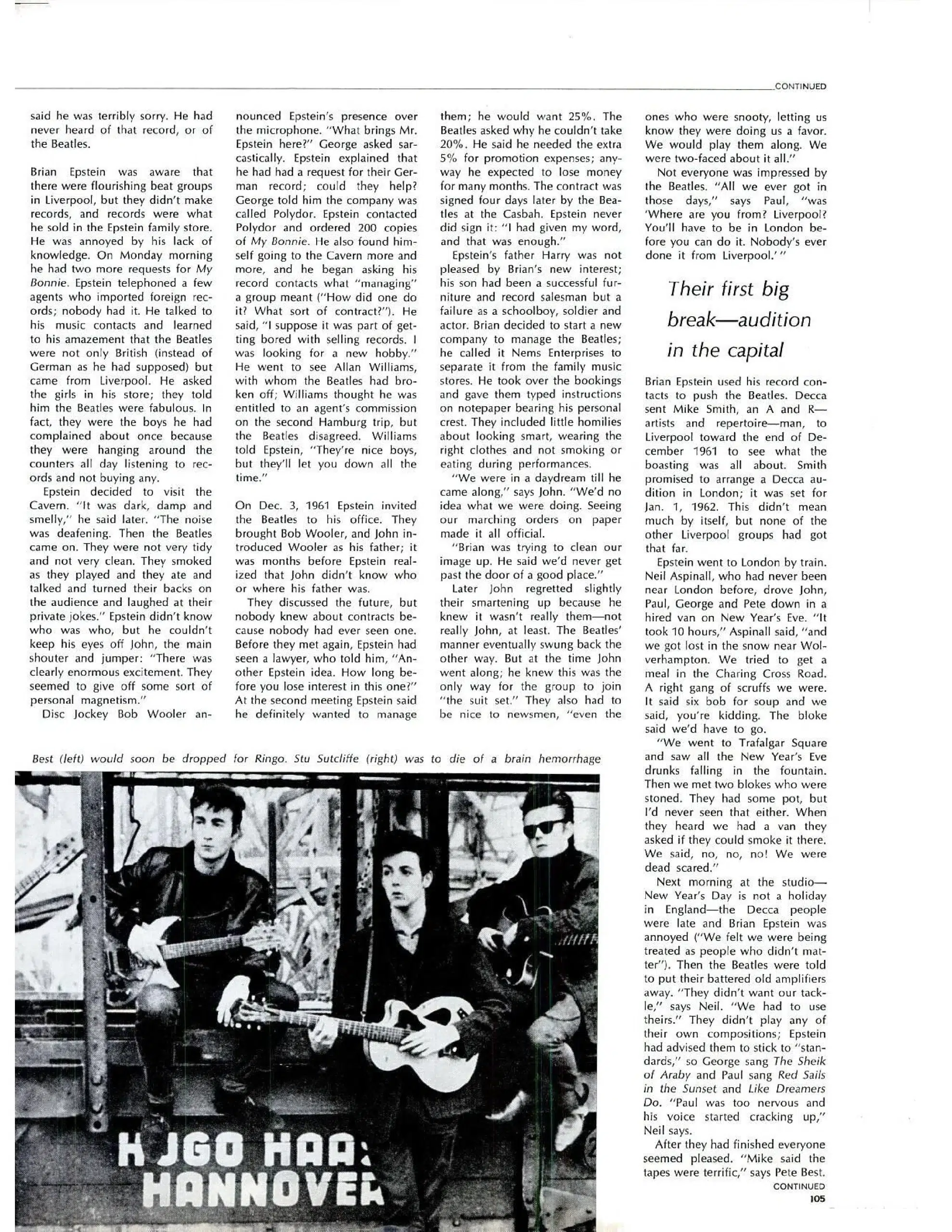
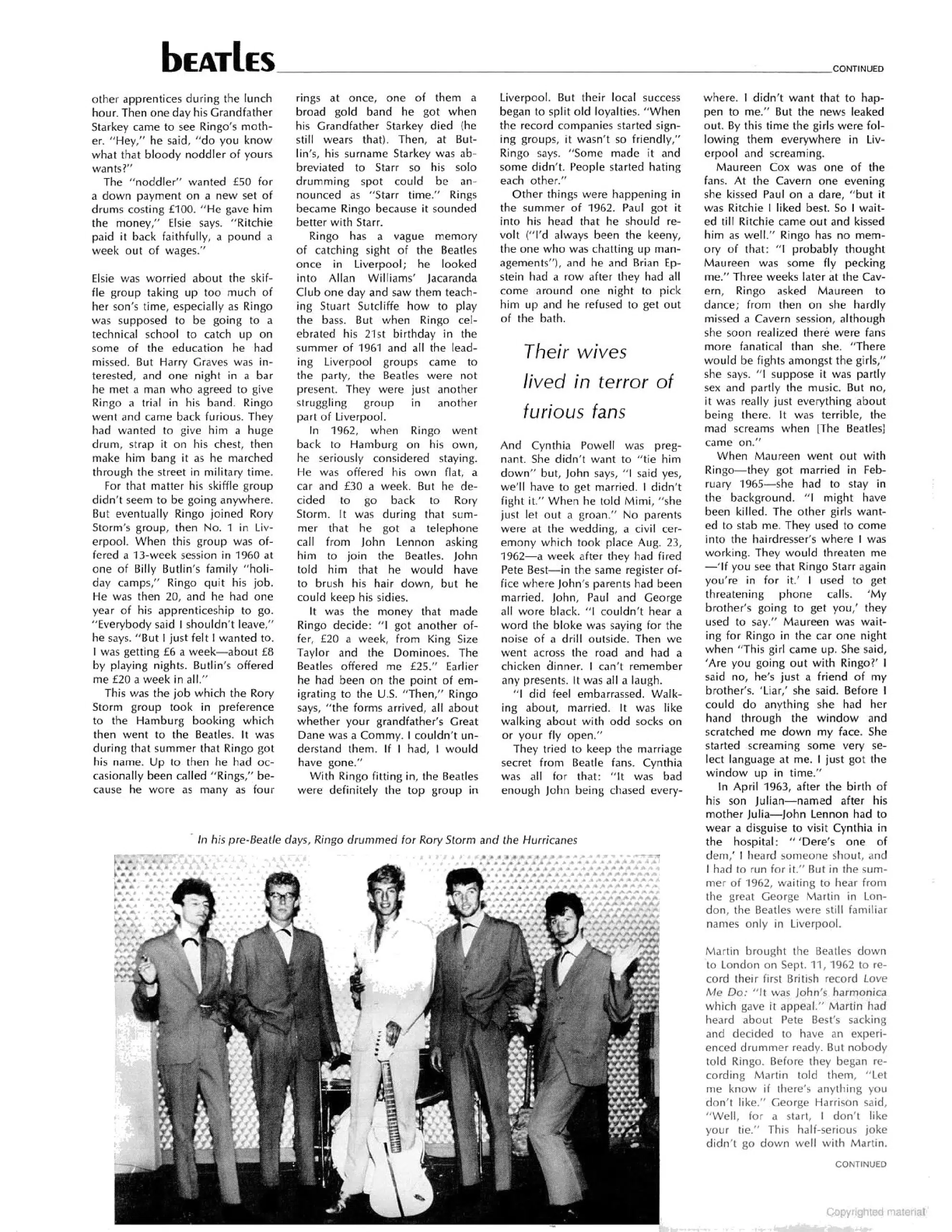
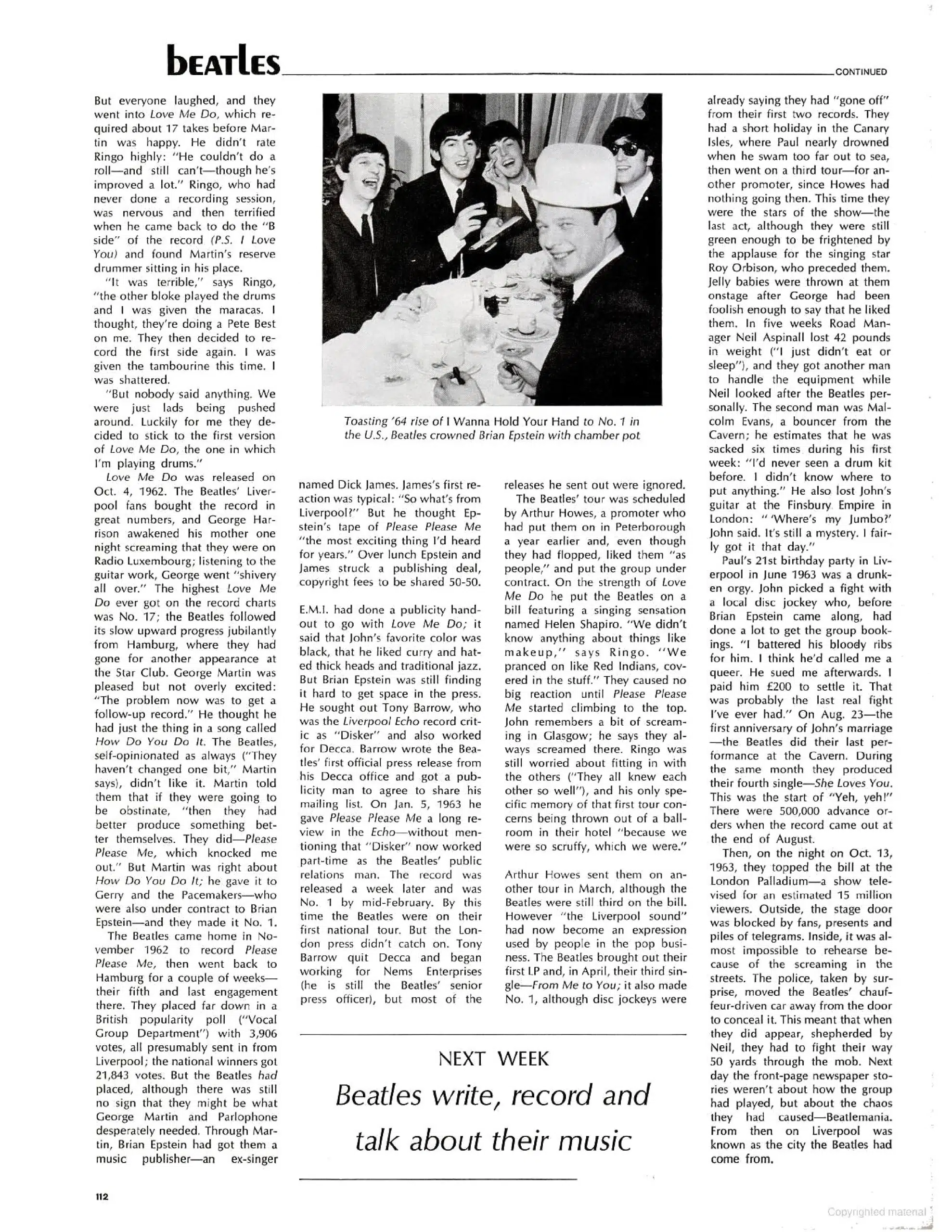
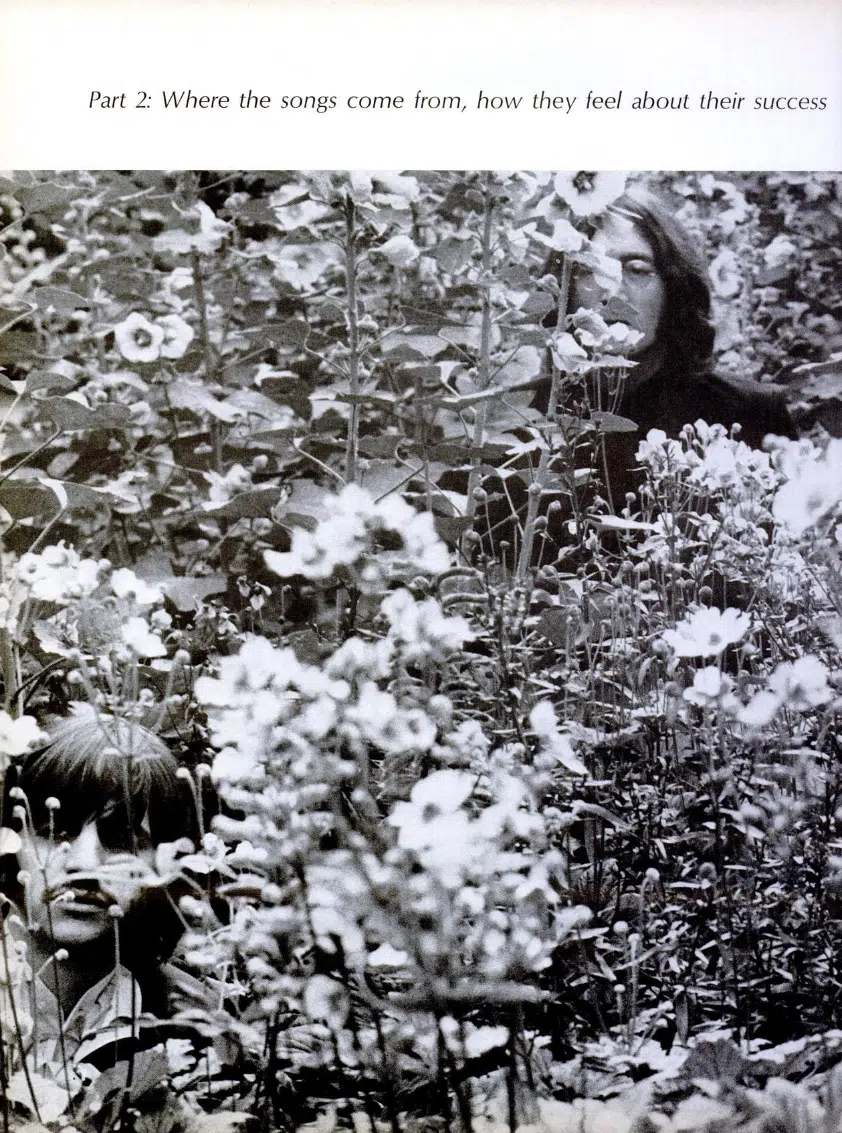
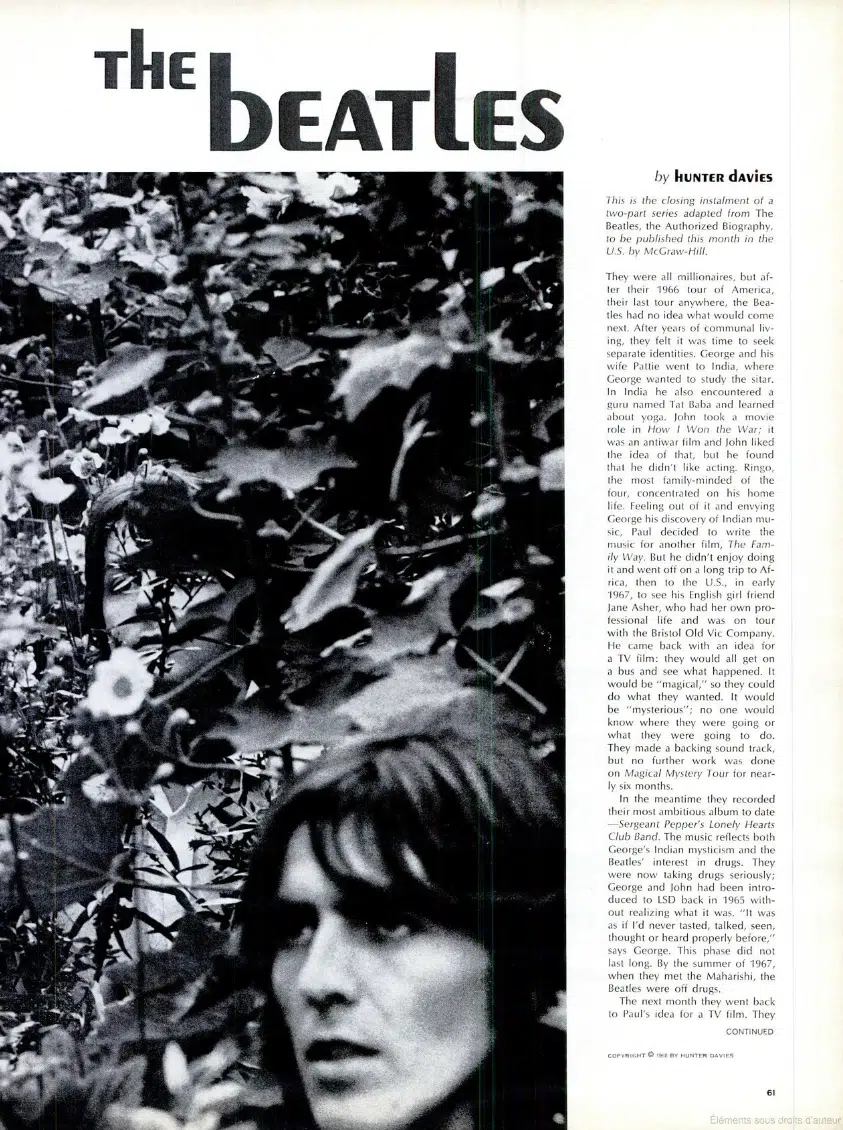
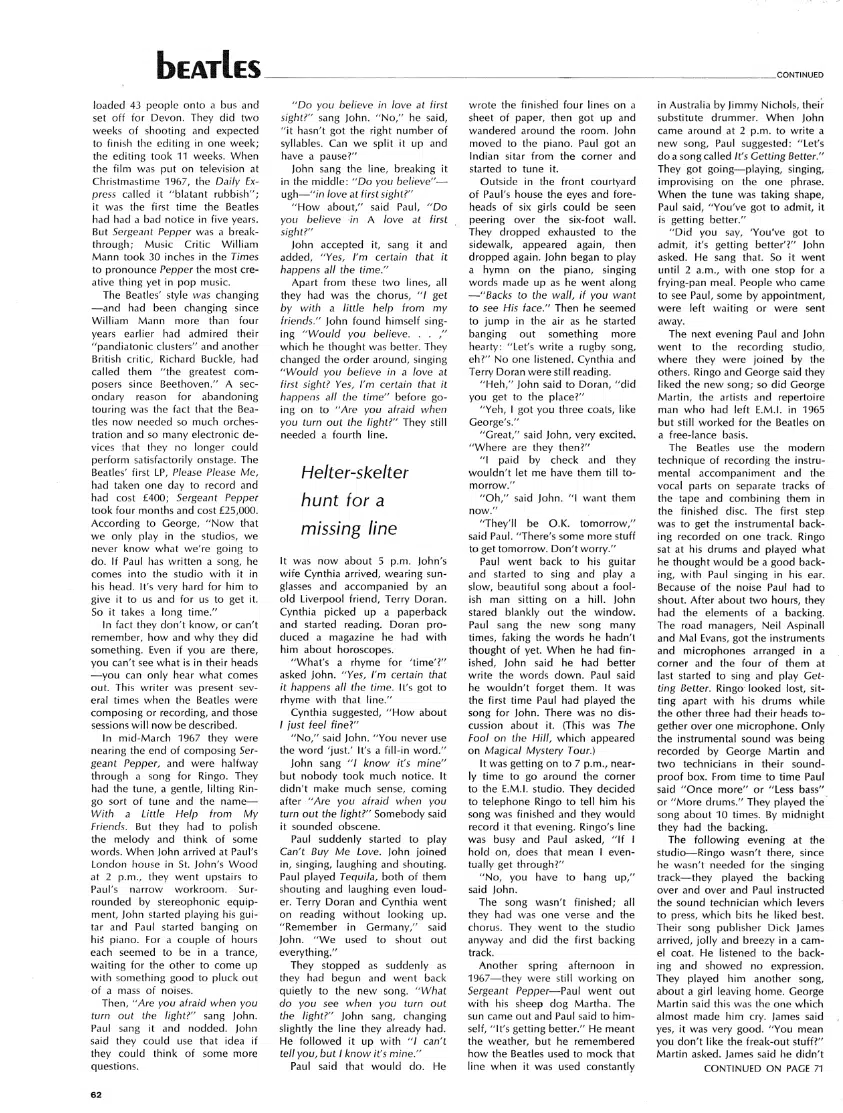
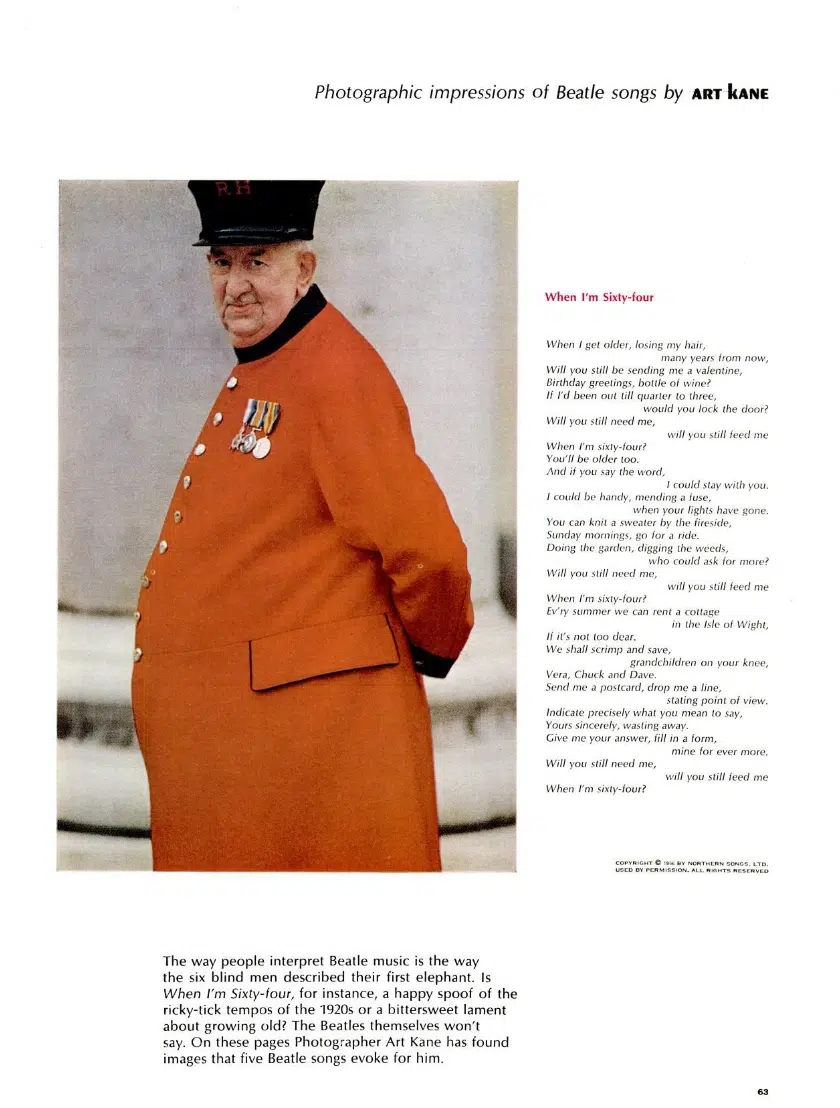
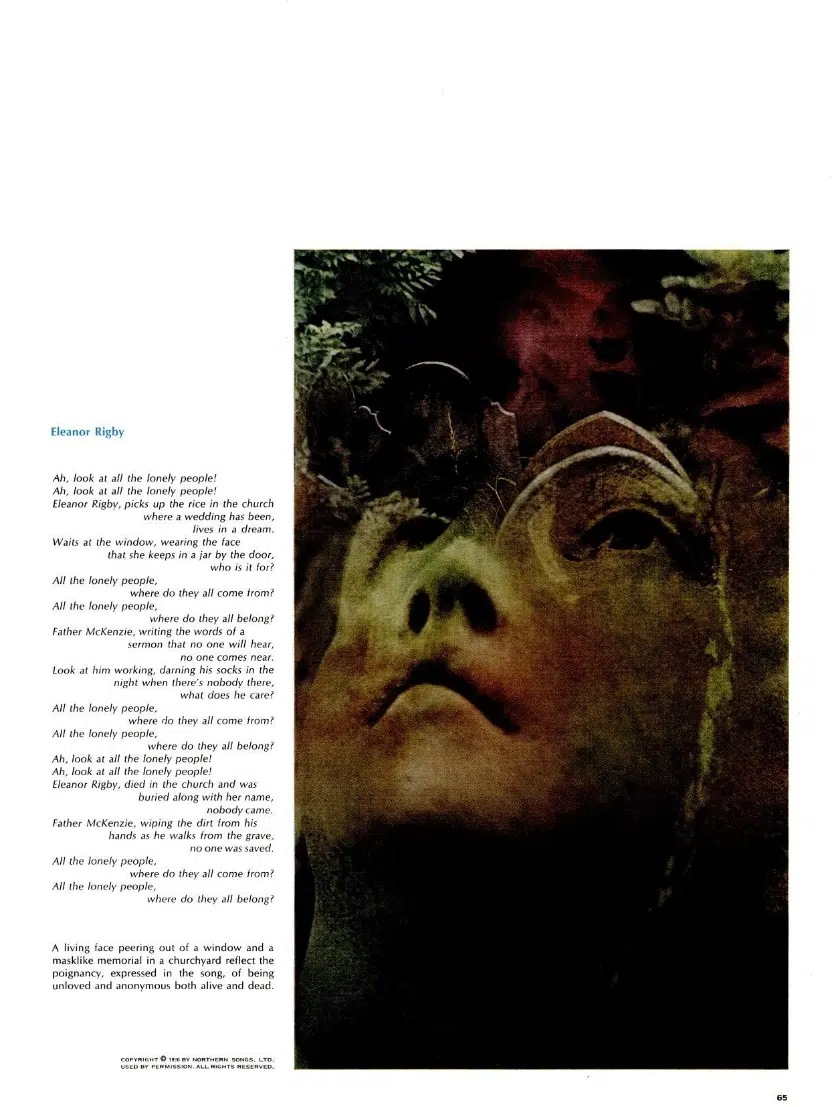
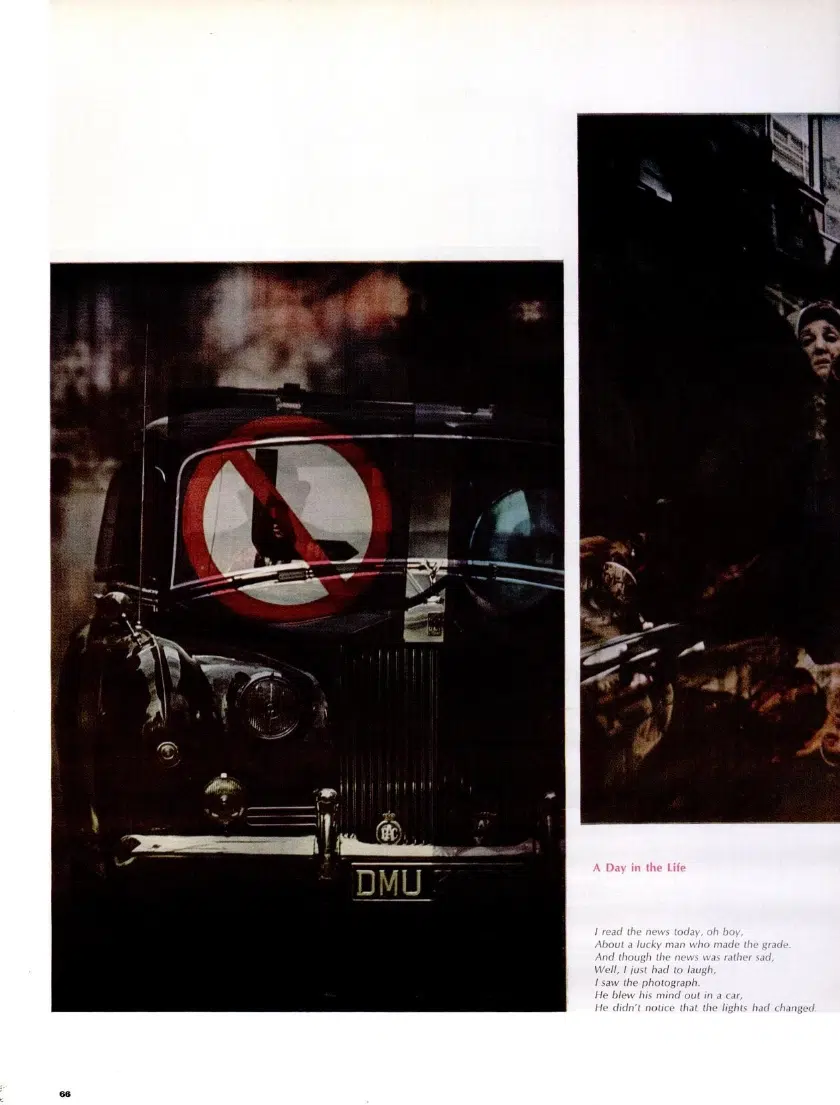
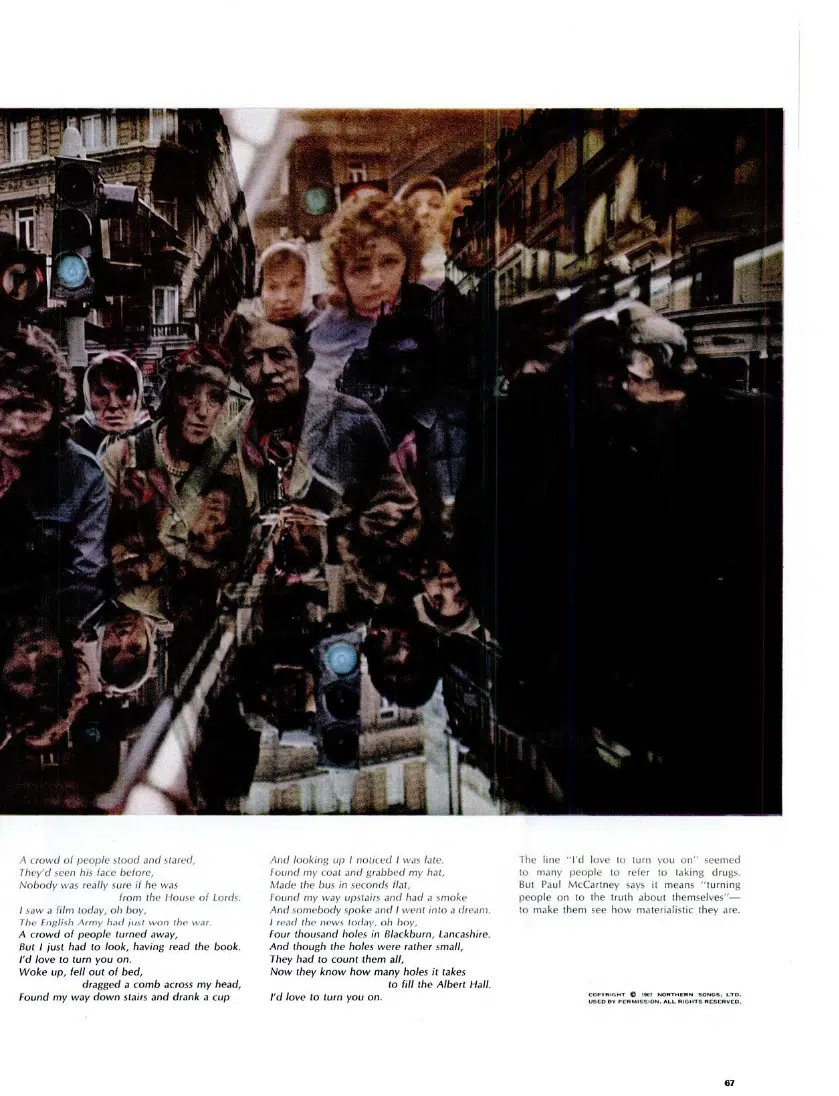
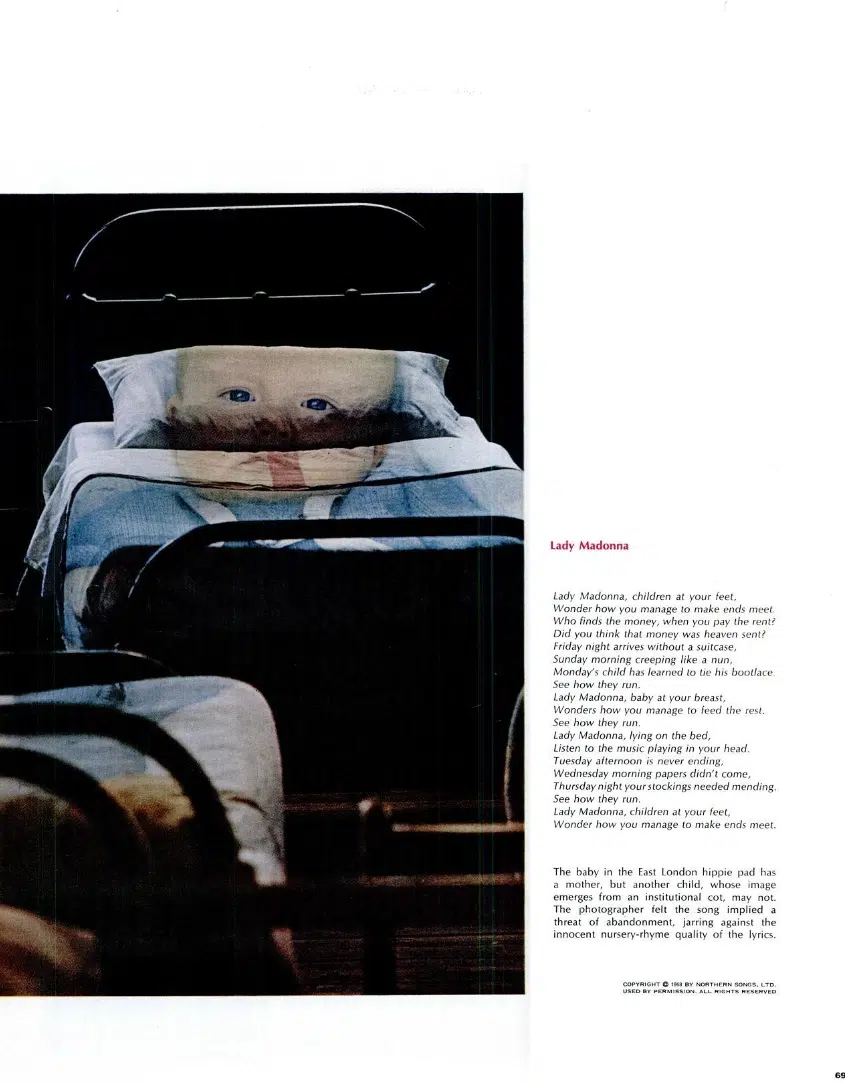
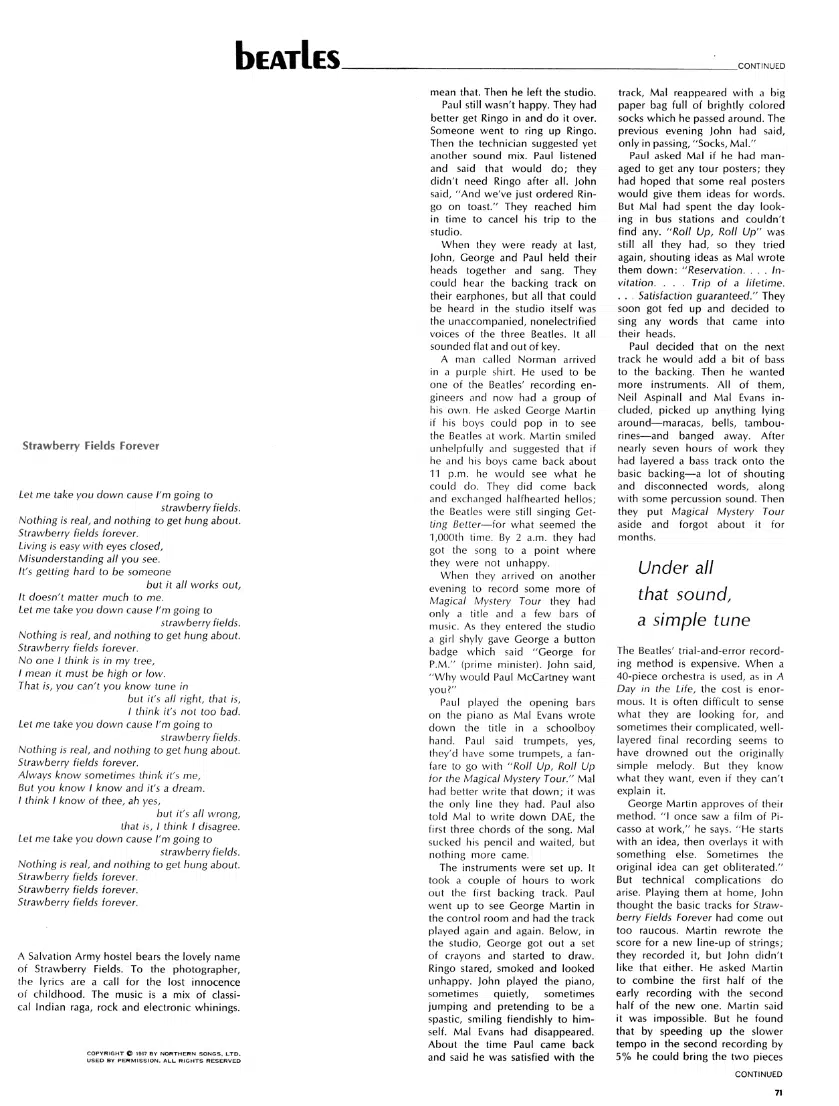
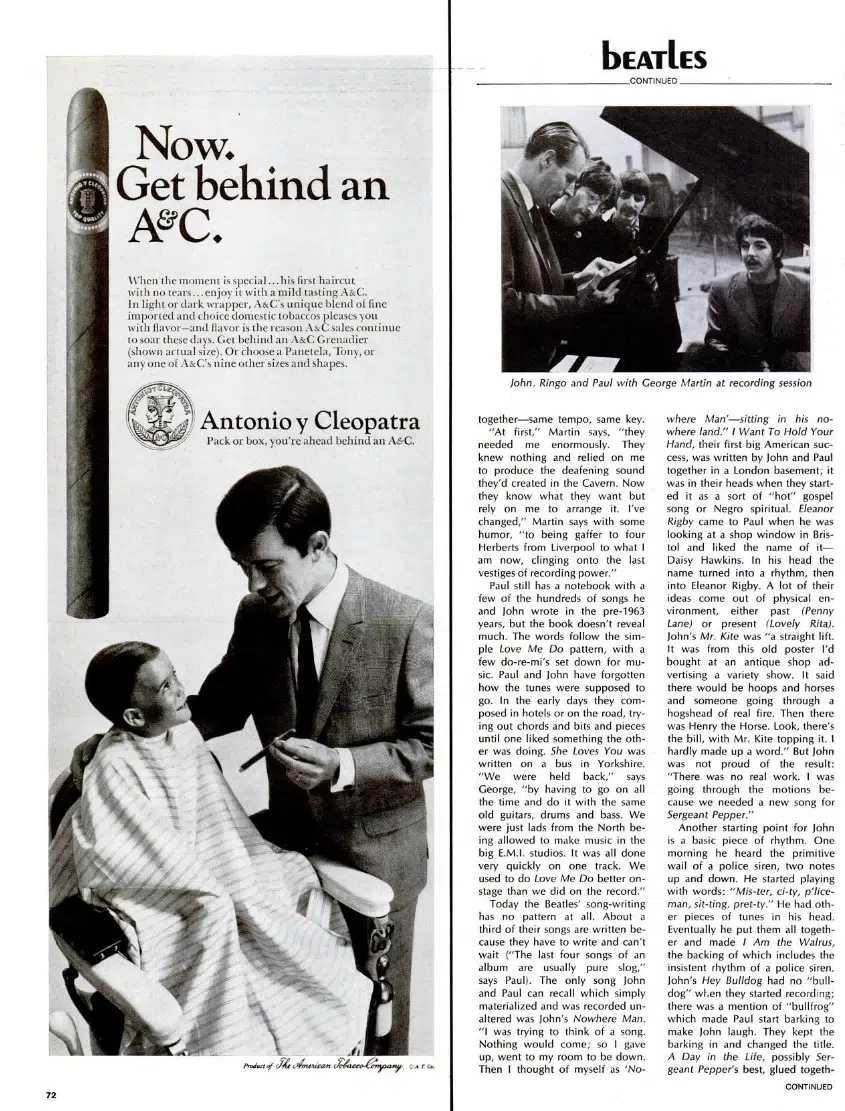
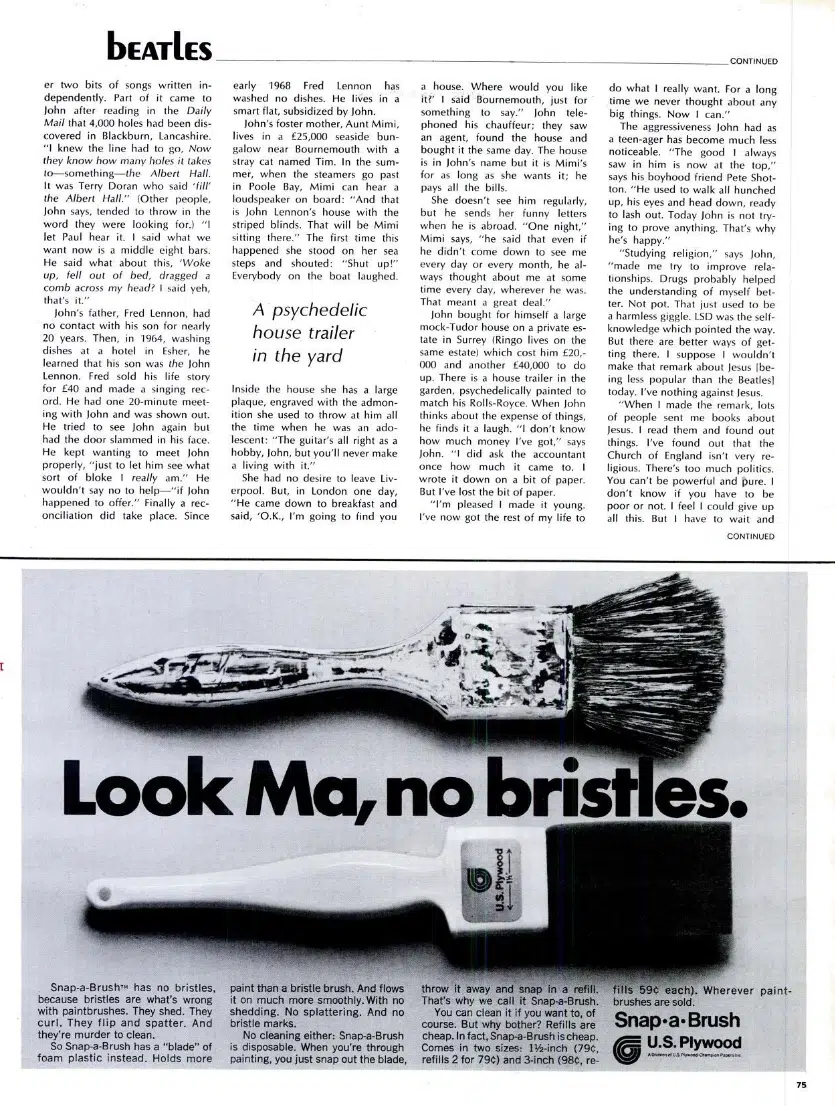
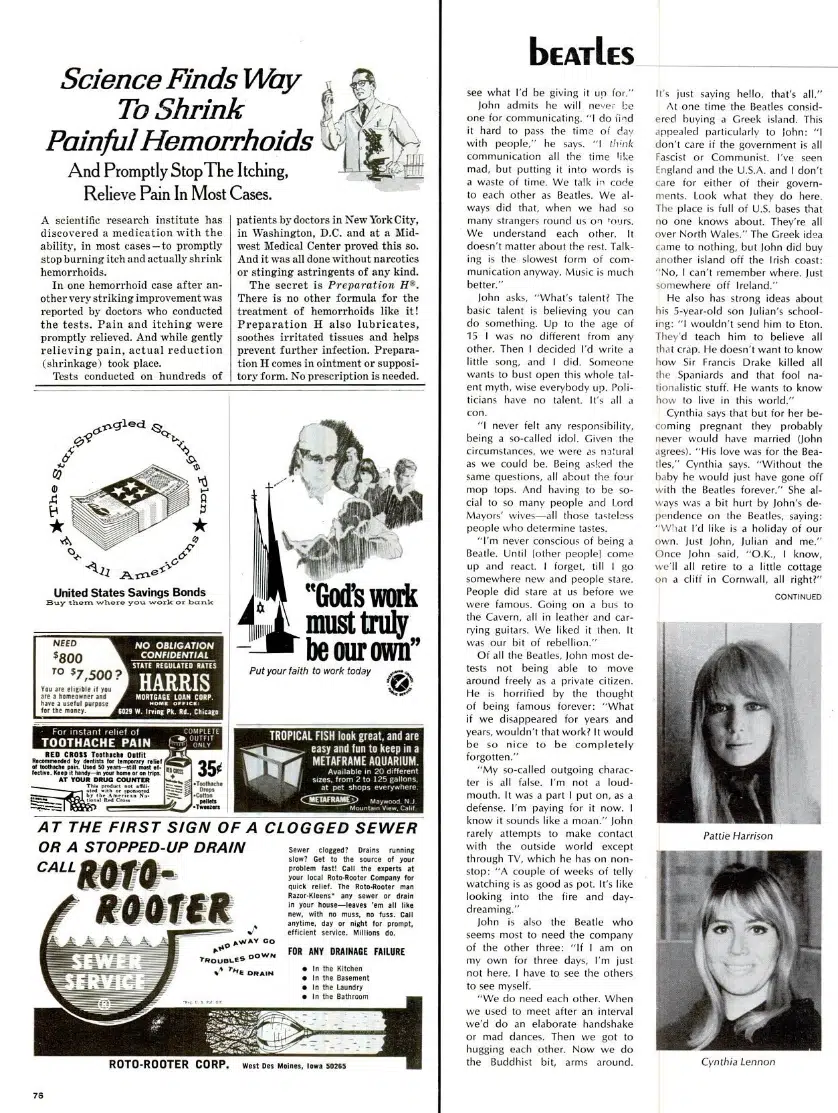
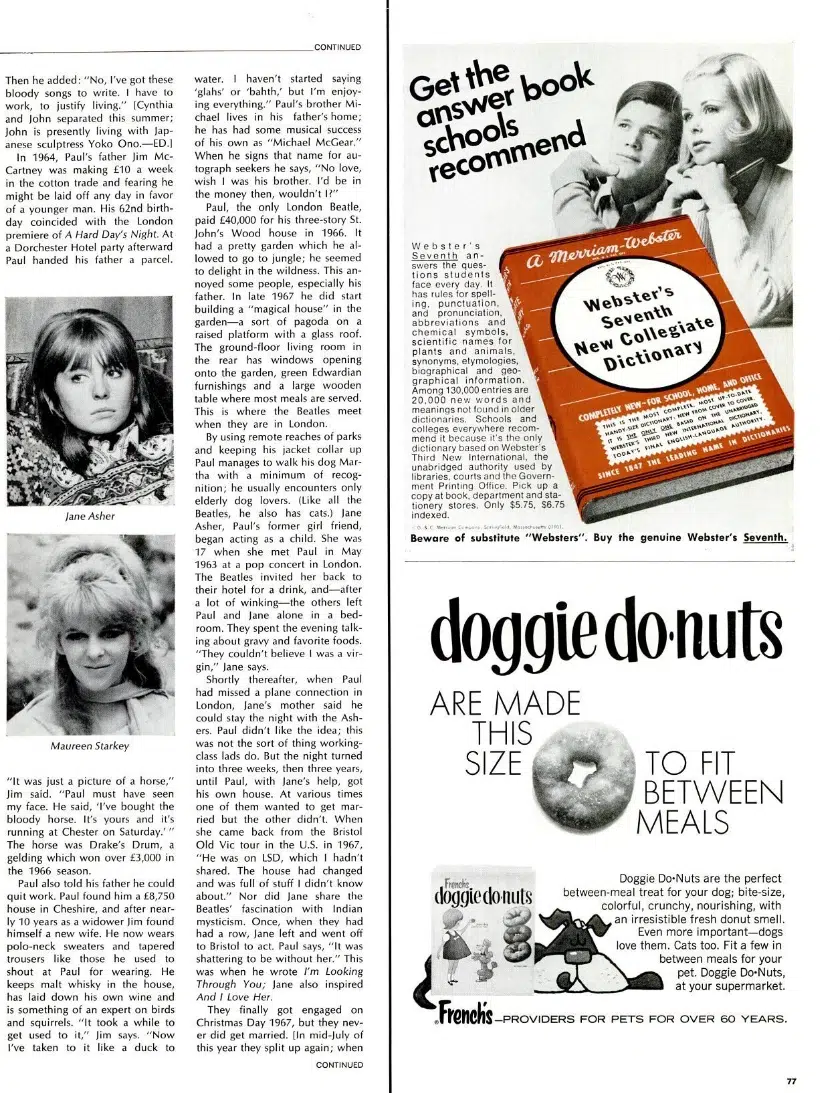
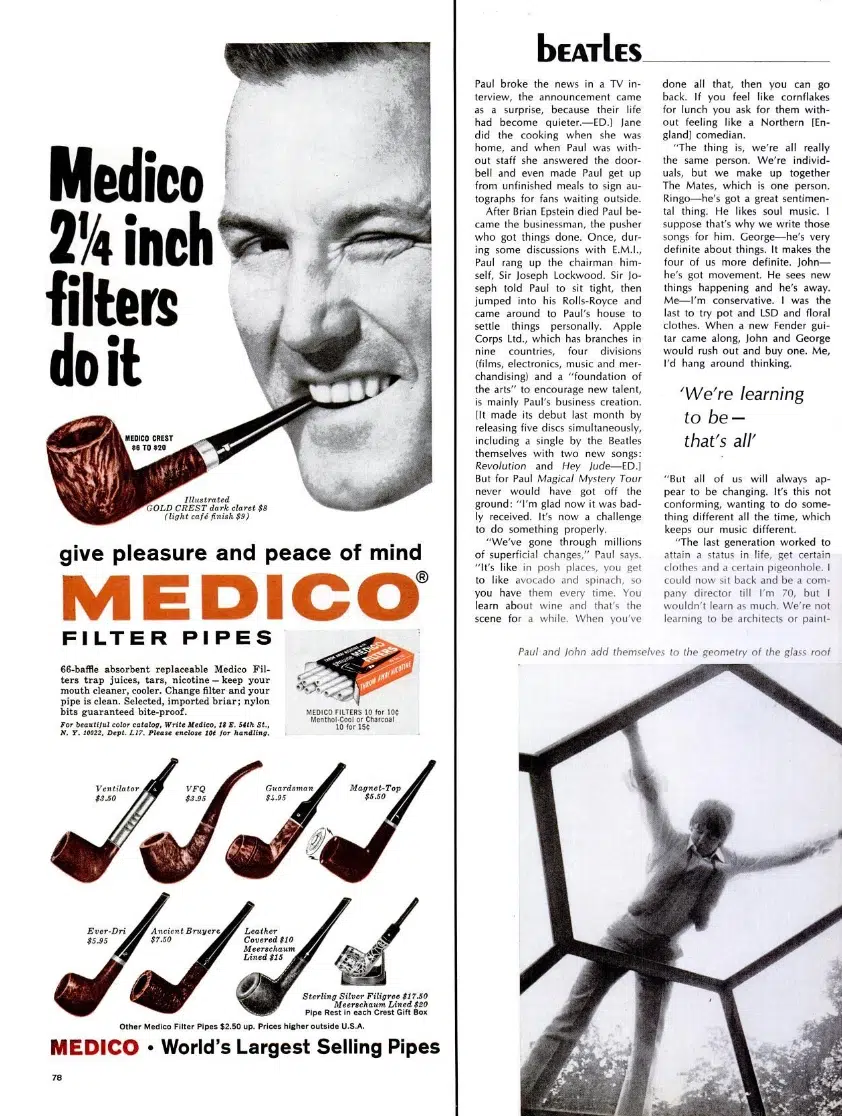
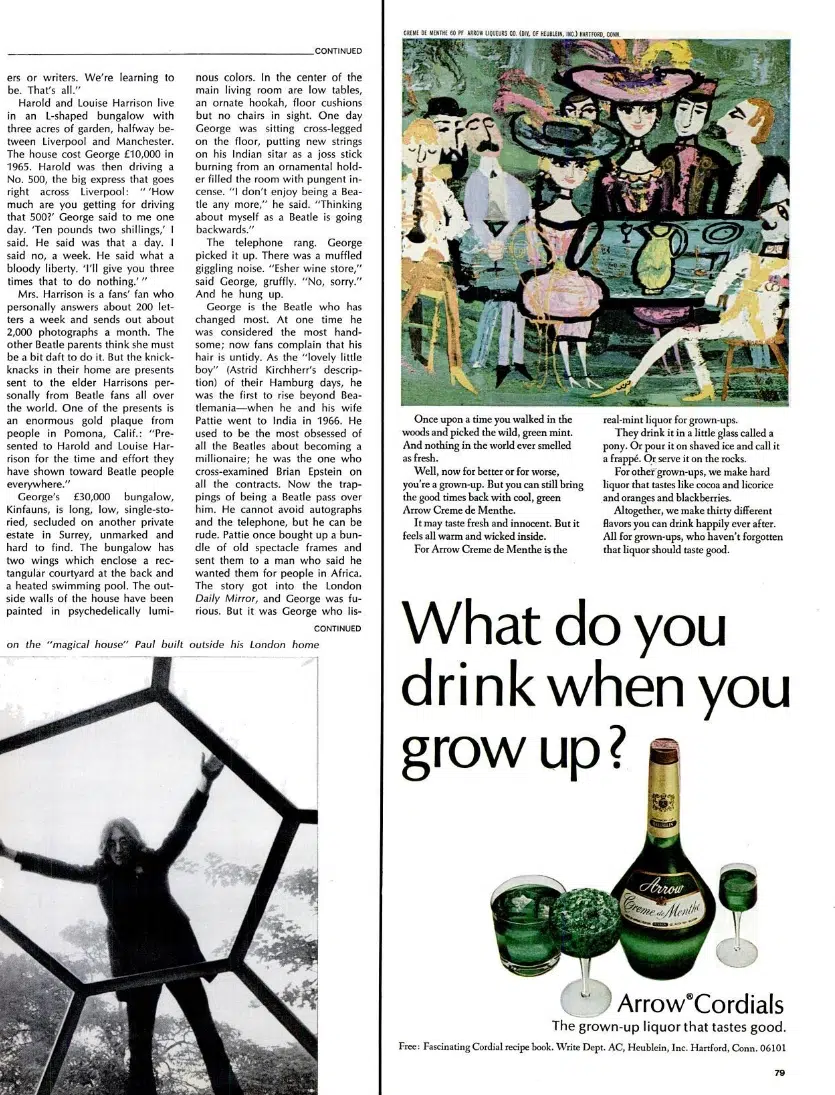
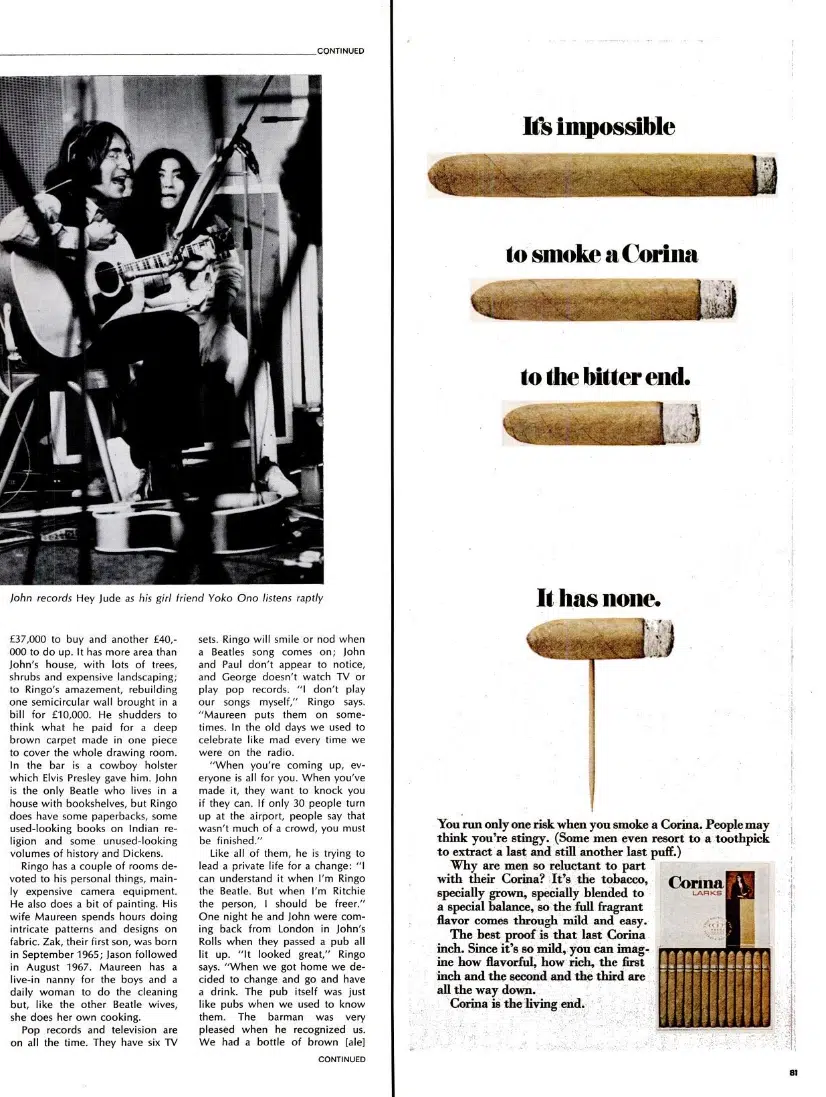
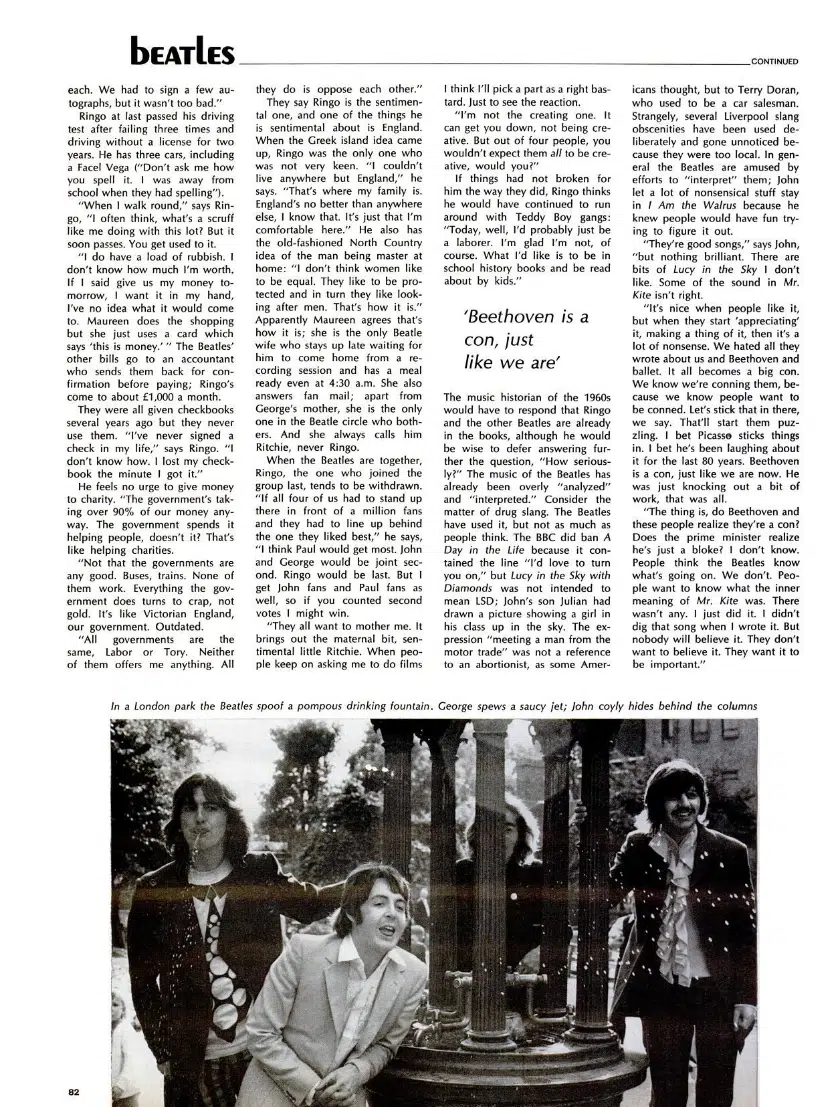
In the US, Life Magazine published excerpts of Hunter Davies’ book in its September 13, 1968, and September 21, 1968, editions.
The Beatles Diary Volume 1: The Beatles Years
With greatly expanded text, this is the most revealing and frank personal 30-year chronicle of the group ever written. Insider Barry Miles covers the Beatles story from childhood to the break-up of the group.
If we modestly consider the Paul McCartney Project to be the premier online resource for all things Paul McCartney, it is undeniable that The Beatles Bible stands as the definitive online site dedicated to the Beatles. While there is some overlap in content between the two sites, they differ significantly in their approach.

Notice any inaccuracies on this page? Have additional insights or ideas for new content? Or just want to share your thoughts? We value your feedback! Please use the form below to get in touch with us.


