Monday, May 25, 2026
Interview for Track Of My Years
Track Of My Years
Radio interview • Interview of Paul McCartney
Last updated on May 27, 2026
Monday, May 25, 2026
Radio interview • Interview of Paul McCartney
Last updated on May 27, 2026
Interview location: MPL Communications, 1 Soho Square • London • UK
Previous interview May 15, 2026 • Paul McCartney interview for The Rest Is History
Article May 22, 2026 • Listening party for “The Boys Of Dungeon Lane” in Liverpool
Interview May 25, 2026 • Paul McCartney interview for BBC Radio 2
Interview May 27, 2026 • Paul McCartney interview for TikTok
Interview May 27, 2026 • Paul McCartney interview for BBC News
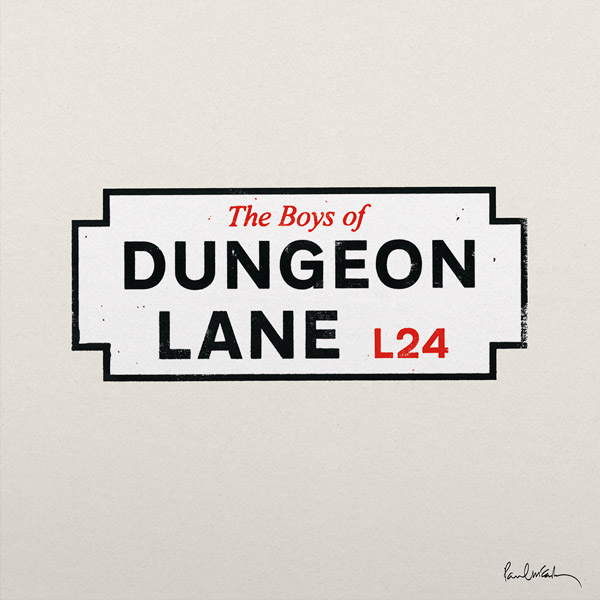
AlbumThis interview was made to promote the "The Boys Of Dungeon Lane" Official album.

Officially appears on Run Devil Run

Officially appears on Days We Left Behind

Officially appears on From Me To You / Thank You Girl

Unreleased song

Officially appears on Live At The BBC

Officially appears on Love Me Do / P.S. I Love You
Unreleased song

Officially appears on Please Please Me / Ask Me Why

Officially appears on The Boys Of Dungeon Lane
Officially appears on Live At The BBC

Officially appears on In Spite Of All The Danger / That'll Be The Day
Unreleased song
This interview remains the property of the respective copyright owner, and no implication of ownership by us is intended or should be inferred. Any copyright owner who wants something removed should contact us and we will do so immediately.
As part of the promotional campaign for his forthcoming album “The Boys Of Dungeon Lane“, Paul McCartney was interviewed by Vernon Kay for “Tracks Of My Years“, a BBC Radio 2 programme in which guests select ten songs that have soundtracked their life.
From BBC.co.uk, May 12, 2026:
In a wide-ranging conversation spanning his life and extraordinary career, Paul talks to Vernon Kay on BBC Radio 2 on Tracks Of My Years, which sees a special guest choose ten songs that have soundtracked their life.
Paul reflects on his childhood, recalls his earliest musical memories, and discusses the artists and influences that first shaped his love of music. Through his choices, listeners will hear brilliant stories about The Beatles’ relationship with The Rolling Stones and The Kinks as well as recollections of meetings with Elvis Presley, Brian Wilson and Bob Dylan.
Paul’s 10 tracks are:
- Gene Vincent – Be-bop-a-Lula
- Chuck Berry – Maybelline
- Buddy Holly – That’ll Be The Day
- Elvis – All Shook Up
- The Kinks – You Really Got Me
- The Human League – Don’t You Want Me
- Prince – Kiss
- Bob Dylan – Tambourine Man
- The Beach Boys – God Only Knows
- John Lennon – Imagine
The UK premiere of the full interview will be at 6pm on Radio 2 and BBC Sounds in a special programme on Bank Holiday Monday 25 May. The show will then be available on BBC Sounds. Viewers will be able to watch the exclusive interview on BBC iPlayer from 7pm. Daily episodes will be broadcast in Vernon’s Radio 2 show from Tuesday 26 – Friday 29 May. […]
Vernon Kay hosts the UK’s most popular radio show each weekday morning (9.30am – noon), attracting a weekly audience of 6.7m (RAJAR Q4 2025).
BBC Radio 2 is the UK’s most popular single radio station, with a weekly audience of 12.7m listeners.
Every week, one artist is featured on Tracks Of My Years, which sees special guest choose ten songs that have soundtracked their life. Listen on BBC Sounds and watch on BBC iPlayer – just search Tracks Of My Years.
From BBC.co.uk, May 12, 2026
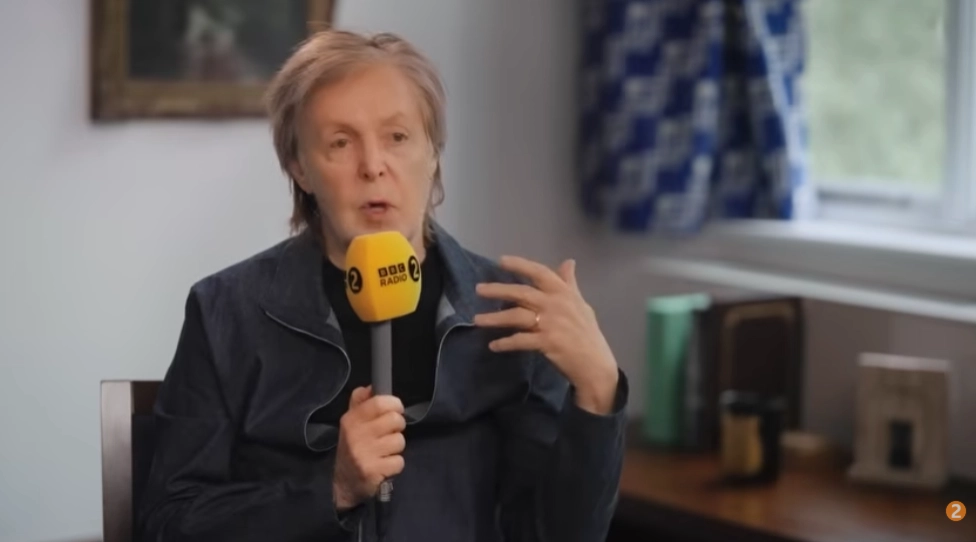
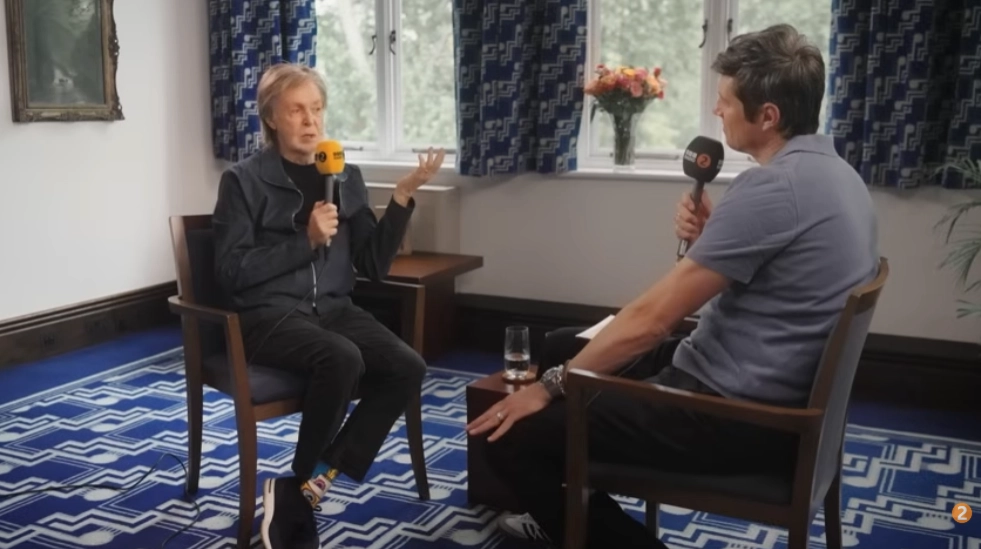
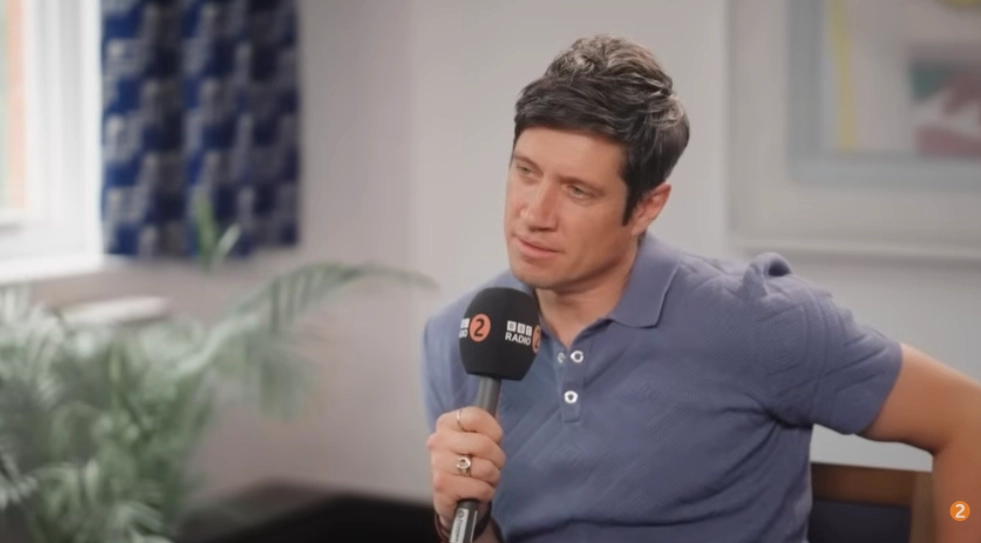
Vernon Kay: I’m Vernon Kay and I’m delighted to welcome you to a very, very special edition of Tracks of My Years. Our latest guest is about to take us on a 10-song journey through his remarkable life — growing up in Liverpool, to performing all over the world, first with the Beatles and then of course as a solo artist. It’s an absolute pleasure to be able to talk about the brand new album from Sir Paul McCartney. Welcome to Tracks of My Years.
Paul McCartney: Thank you, Vernon.
Vernon Kay: I’ve got to say, Paul, introducing you to Paul McCartney on Tracks of My Years is probably the highest pedestal that we’re ever going to get on. So thank you for making this happen.
Paul McCartney: Really. All right.
Vernon Kay: The first track you’ve chosen — we just heard Gene Vincent, Be-Bop-a-Lula from 1956. Why did you pick that?
Paul McCartney: That was the first record I ever bought. I was a schoolboy and, you know, you had to save up a lot of money to buy a record. But I went into this place — Curry’s — or a little record department at the back, and I bought Be-Bop-a-Lula and I just loved it. Took it home and loved the label and everything. I think it was what made us later think, “We’ve got to think about what we’re putting on a record, and the B-side, and how the cover is,” because people like me just loved it.
Vernon Kay: Where did you first hear Be-Bop-a-Lula? Can you remember?
Paul McCartney: I was going to say on the radio, but they didn’t have a lot of rock and roll on the radio. I can’t remember where I first heard it. But I just loved Gene Vincent’s voice and his band, the Blue Caps. I never understood what that was — Blue Caps, you know, so they’re wearing caps and the caps are blue — but it’s a Navy term for waves. And they were in the film The Girl Can’t Help It. So these were all really great fan moments for me.
Vernon Kay: And eventually you got to meet him — Gene Vincent.
Paul McCartney: Yeah.
Vernon Kay: Were you already driven by rock and roll prior to walking into the back of Curry’s and picking that record out and being totally swallowed up by the sleeve and everything it meant to you? Was the spark already lit then?
Paul McCartney: Yeah, rock and roll had just arrived, and we’d had years of quite sort of square music. You didn’t realize it was square till rock and roll arrived and you go, “Ah.” I’d heard it on the radio — there were a few programs that played that kind of music and you knew about them and you’d listen to them avidly. Rock and roll was there, and I’d got a guitar, like a lot of other mates, and we’d started with skiffle — “Really Don’t You Rock Me, Daddy” — that was TJ’s base. Then rock and roll came in and it blew the whole thing wide open.
Vernon Kay: A lot of guests on Tracks of My Years always revert back to that moment that lit the blue touchpaper, and then everything else kind of fell into place. But Gene Vincent obviously holds a special place in your heart because it was the first record you ever bought.
Paul McCartney: Yeah. You know, that’s special.
Vernon Kay: You never forget that, do you?
Paul McCartney: No. And it’s a great song. It’s so simple, his vocals are great, the guitar solo is incredible. And then yeah, we met him years later.
Vernon Kay: Was that in Hamburg?
Paul McCartney: Yeah, we were in the same club in Hamburg. So you got to know some of these guys well — Little Richard, Gene Vincent, Fats Domino for a little while. But Gene was great. I mean, he was crazy, like a lot of musicians.
Vernon Kay: Those Hamburg nights were pretty bonkers by all accounts, weren’t they?
Paul McCartney: Yeah. And we were young guys who’d never travelled abroad. So suddenly finding ourselves in the red light district of Hamburg was pretty eye-opening. We were pretty innocent looking back on it. We’d had, if we were lucky, like a girlfriend in Liverpool, but you’d never been to a place where there were strip clubs. And it was our drummer Pete at the time — he dated a stripper. So that was like, wow, unbelievable. Only trouble was he had to stay out late because she’d finish late and then they’d have their date and go eat something. So he was always knackered. He’d come back tired as hell, so on the next gig he’d be falling asleep on the drums.
Vernon Kay: We’re going to 1955 and you’ve chosen Chuck Berry and Maybellene. Why have you picked this one?
Paul McCartney: Just because I love Chuck Berry. There are so many of his songs you could choose, like Sweet Little Sixteen, but I think Maybellene’s a really good record and it sums up Chuck’s thing — he’s just a great ideas man. The whole idea of this song being about him chasing a girl in a car — we’d never heard that kind of thing. And he’s a poet, you know. We really reckon him as a lyricist, Chuck, because he just pulls these great little phrases out of the blue and makes them work. And of course he’s a great guitar player too. A lot of us were influenced — someone like Keith Richards, it was Chuck, you know. A lot of those early solos, like the Maybellene solo, influenced all of us, particularly people like Keith.
Vernon Kay: Paul, I love the fact that you’ve just described Chuck Berry as a great storyteller, and some people listening might go, “Well, hang on — that’s what you are.” You’re a fantastic storyteller. Was Chuck an influence on the way he constructed his stories within his songs?
Paul McCartney: Yeah, yeah, really it was. There were a few people around then who were just doing sort of “love you baby” and it was like, oh no. But then someone like Chuck comes along and he’s telling the story of Johnny B. Goode, or he’s telling the story of Maybellene, and the way he writes them — once you start to try and write yourself, you’re very lucky if you can pull off the kind of phrases he comes up with.
Vernon Kay: When you were writing songs, was there any narrative that you thought, “Oh, that’s a bit weird”? Or was it an open book for all of you? Because if Chuck Berry is telling us about Maybellene and Johnny B. Goode, then surely you guys were like, “Well, I’ve got a story as well.”
Paul McCartney: Yeah, that would be the ambition, but to actually pull that off is not that easy. The first songs that we were writing with the Beatles around about that time were pure love songs for the fans. So it was like “Love Me Do” — it was always that kind of thing. We couldn’t really get as classy as Chuck or Buddy Holly or those kind of guys. They were just in a league above us. But we aimed for it, and I think that was one of the great things — it was like, “If only we can get better.” So we got out of our kind of “Love Me Do,” “From Me to You,” “Please Please Me” — treaties to the fans stage — and started then to write a little bit more story. But it’s not that easy to do.
Vernon Kay: Did you enjoy that period of constant writing? Was it fun?
Paul McCartney: I love writing anyway. I always say to people, I didn’t do it for a living — I do it for a hobby. It’s just a special thing, you know, picking up your guitar and finding something in there that’s original, then sticking some words on it. And then — which direction am I going in? Am I just “I love you baby,” or am I “I love you baby but you’ve been horrible”? I love finding those directions.
Vernon Kay: Your next choice was Buddy Holly and That’ll Be the Day, once again from 1956. The Beatles is a homage to The Crickets, allegedly. Is that right?
Paul McCartney: Yeah, it is. We heard That’ll Be the Day and it came out of the blue. There are certain records where you can’t credit who the actual guy is who wrote it. We thought it was definitely a Black record — it sounded like it couldn’t be a white guy. And it was Buddy Holly and the Crickets, and we thought, “That is brilliant — Crickets is like a grasshopper but also the game cricket.” So they’d done this double meaning, and we really had a lot of time for that. Well, we met them eventually years later. We met the Crickets — I didn’t meet Buddy. And I said to them, “Fantastic — that was so good, you know, cricket and the grasshopper.” And they said, “We’d never heard of cricket.” They said, “We’re from Lubbock, Texas, we didn’t know what cricket was.” We said, “Oh, it’s a game.” So “yeah, we know now.”
But Buddy was very special to us because we were starting as a group, and he was the only one we knew — out of all Elvis, Buddy, or Chuck actually — Buddy impressed us because he wrote the songs, he sang them, and he played the guitar solos. That was quite impressive to us. So we tried to be that — write a song, sing it, and play the guitar bit.
I was just reading a book actually about Buddy and it wasn’t a great story. I mean, he didn’t have a easy time with it all. And you say 1956 and that to me was the big year for Elvis. A lot happened in 1956 in America. It was really the explosion, you know, of a lot of really good music.
Vernon Kay: We mentioned in your previous tracks, Gene Vincent, and the fact that you went to the back of the record store to buy that track. Did you ever stop buying records, or were you always constantly searching for new sounds and new artists?
Paul McCartney: Yeah, I think it was all to do with records. You would listen to the radio, and there were one or two programs, and as time went on the BBC started to play more rock and roll. There was a DJ — I don’t know if you remember David Jacobs — and he was great because he was very posh, very sort of southern. He’d say “This is a marvellous record,” and you’d think, “Oh, it’s going to be classical or some old thing.” And he said, “It’s by Ray Charles and it’s What’d I Say,” and it was like, wow. To hear that on the BBC was an ear-opener. You didn’t hear that much rock and roll, so it was mainly records — your friends would have a record collection, or they’d know someone who did. And you used to have a lot of sailors coming into Liverpool, being a big port, and those guys would go to New Orleans or Nashville and bring back blues records. That’s where a lot of it came from for us.
Vernon Kay: To this day, do you still go to the record player and put on a piece of vinyl?
Paul McCartney: Yeah. My daughter just gave me a Cat Stevens LP this morning — this very morning. I think vinyl is great. A lot of people don’t have a turntable these days, but I once asked an engineer, “What’s the thing about vinyl?” He said, “Well, if you’re talking about frequencies — there’s super high frequencies, some that we can’t even hear, and there’s some super low frequencies. Vinyl’s got them all. You may not be able to hear this, but a CD cuts them off. It was decided you don’t need them — cuts off the high frequencies, cuts off the low. So it’s not as rich.
Vernon Kay: One thing that we’ve also discovered on Tracks of My Years is that the record player, the sideboard, was pivotal in many, many people’s homes during their adolescence growing up. And it was usually the parents who sometimes allowed the kids into the front room to play with the radiogram or whatever it was. Was that the case in your household? Was was the music center a focal point?
Paul McCartney: No, we didn’t have one of those. That was posh — to have an actual radiogram. We knew people who did though. I just had a little Dansette turntable, so that’s pretty basic. But like I say, there were people you knew who would have that. One of my aunties, Auntie Jin and Uncle Harry — he was a builder, so he had an expansive view of the world. He actually had it wired into every room in the house.
Vernon Kay: Hang on — he was way ahead of his time. That’s probably the first person ever in the world to have an inbuilt music system in their home. Uncle Harry!
Paul McCartney: Uncle Harry. Yeah. Genius. Absolutely.
Vernon Kay: The next track is by Elvis Presley himself — 1957, All Shook Up by the King. Why have you picked this particular track?
Paul McCartney: I love the record. I just think it’s a great vocal. I like the tune, and there’s an interesting noise for the snare — I think he was hitting his guitar, I’m not sure, but it’s like a little pop thing instead of a snare drum. But the main thing was that it always used to lift me up. I remember me and my mate — I had a mate called Ian James, we went to school together — and one day I had a real headache but we were going to a fairground. So the two of us set off, thinking we were looking pretty cool in our fleck jackets. Anyway, we went to this fairground and I had this terrible headache. We got back to his house and we put on All Shook Up, and at the end of it I didn’t have a headache. So it was alchemy. It was magic. I always thought, “What was it about that record that did that?” It was just so joyful.
Vernon Kay: When you met him — and famously you guys did meet him eventually — was he as striking in real life as he is in photographs and on film? Did he have a presence?
Paul McCartney: Yeah. He was a really handsome guy. We kind of knew that, we were fans, so we just followed everything he did. It wasn’t a disappointment at all. The funny thing is though, we’ve talked about this meeting individually — I talked about it, Ringo talked about it… — and our memories are slightly skew-whiff. I say we rang the doorbell and Elvis came to the door and said, “Come in guys,” and invited us in, and we sat around and he played Mohare Sam the record that was a big hit at the time. Ringo says he didn’t come to the door — we went in and he was already sitting there. So who’s right? I am [Laugh].
But it was a great evening. He played a bit of bass — Elvis, yeah. He played on one of the records, he plays bass. So he had a bass there and he was talking about the bass, and so that was great for me being the bass player in the band — we could talk bass.
He was very personable, very nice. He had a bunch of his minders with him — I think they were mainly his cousins, his entourage… And one of the highlights of the evening was he introduced us to Priscilla. Now, you’re inviting four guys into your home — probably the last thing you need is them to be all over your wife, which we sensed. About halfway through the evening she came in, and I remember her outfit — I think it was gingham with a bow in her hair, but I could be making that up. Anyway, it was great. She was great, Elvis was great.
Vernon Kay: Meeting of great minds.
Paul McCartney: You pinch yourself — I actually sat, like I’m sitting with you, sat with Elvis. Amazing.
Vernon Kay: We’ve just heard The Kinks, You Really Got Me from ’64. Apparently when the Kinks used to open for the Beatles in the early days, this song got a great reaction from the crowd, which really struck a chord with you.
Paul McCartney: Yeah, that was their big hit — really their first big hit — and we loved it. I love it to this day. You can put it on at a party and it still works. The guitar sound and the riff are really great. As you say, they supported us, and I remember — I think it was Brighton — we loved them so much that we kind of crept out to the side of the audience, trying not to be seen, just to watch them. I think they were a really good group. The writing was great. It was another period of explosion — the Stones were happening, we were happening, there was a lot going on.
Vernon Kay: What was it like communally back then, with all the music blowing up and the UK — London in particular — being the focal point of the rest of the world? Was it fun?
Paul McCartney: It was a lot of fun. Suddenly you were achieving what you’d set out to achieve. At first you’re just somebody — you can’t get arrested, you know, you don’t get asked for autographs. Then there’s this period where you’ve got a hit record. And the thing I liked about it was that it was a community — all the groups. Even though we’d all come from different parts of the UK, we were mainly all now in London. There was a great camaraderie. The newspapers really played it up like there were terrible rivalries — “they hate each other.” It wasn’t true. We really liked each other.
I’ve got a story about that camaraderie, not about the Kinks. Me and John were down in Charing Cross Road where our music publisher was, and there were millions of guitar shops then. At some point we were looking out in the street and there’s a London taxi going along, and there’s Mick and Keith hanging out. We go, “Hey!” So we told them to pull over. We jumped in — there’s me and John, Mick and Keith in this taxi, all really pleased to see each other. Mick said, “Well, we haven’t got a single. We need a new single.” So me, being entrepreneurial or pushy — I don’t know — I said, “Well, we’ve got one that Ringo’s done on the album and we’re not going to release it as a single.” So we gave that to them — I Want to Be Your Man — and they had a big hit with it. That just shows the camaraderie — we gave them a song instead of jealously guarding it, not wanting them to do well.
Vernon Kay: I think a lot of people will take great joy in hearing that, because the one thing that we experienced, my generation, was that big Oasis Blur thing, you know. It’s the same kind of thing. And the Beatles and the Stones were always referenced in that debate. You’ve recently played bass on their new album, right?
Paul McCartney: Yeah.
Vernon Kay: What was that like getting back in the studio with them? Were you face to face?
Paul McCartney: Oh yes, it was face to face. The producer I did my new album with — Dungeon Lane — is a guy called Andrew Watt. He was working with me, and then I think how it happened was I was having dinner with me and my wife with Ronnie Wood and Sally, his wife. We were talking about what they were doing and he said, “We’re going to make a new record but we’re not sure about who’s going to produce it.” I said, “Well, this guy Andrew is really good — maybe try him out.” Ronnie went back and mentioned it, and it turned out Mick was thinking about him anyway. So Andrew has done their last album and this one. At one point Andrew said, “Do you want to play bass on it?” I said, “Yeah, I’ll do that — why not?” So I showed up as a session player, just with my bass. It was a really good feeling, because I wasn’t a star — I was just the bass player. So I learned the song, started rehearsing it with them, and it’s on their new album. I’m standing there playing and thinking, “I’m playing with the Stones.” I should be blasé — “Yeah, I’ve known them for years.” But it was special because suddenly I’m playing with them. When I got home that evening — “Just played with the Stones.” It was great. I loved it.
Vernon Kay: I’m sure those boys did exactly the same — “You’re not going to believe who played bass.” Do you know what I mean? It was like amazing for them as well.
Paul McCartney: Yeah, it was it was a really good session actually.
Vernon Kay: With everything um that you’ve achieved in your career, if I was to walk into your home where you reside, is there anything within that home that would tell me that house is yours?
Paul McCartney: Um how about Oscar?
Vernon Kay: That’s a mic drop moment right there.
Vernon Kay: The next track you’ve chosen is a little bit of a curveball actually — you’ve chosen The Human League and Don’t You Want Me Baby.
Paul McCartney: Well, you know, I’d chosen so many early rock and roll things and then 60s things, so I thought, well, I’m edging towards modern day. And I really liked that track — I still like it. “That much is true” — I like that little line, I thought that was clever. And I met them in Air London when they were recording once. Not that track, but I got on well with them, they were good guys. So I just like that song. It’s probably my favorite of theirs, and it’s just such a hit.
Vernon Kay: When you hear it wherever you are, you can’t help but join in.
Paul McCartney: It’s the Sweet Caroline of its day.
Vernon Kay: Exactly. Yes. Sweet Carolina of its day.
Vernon Kay: We’ve just heard your next choice — Prince and Kiss from 1986. Was Prince as talented on the guitar as people say he was?
Paul McCartney: Yeah, definitely. I mean, he took a lot from Hendrix, but he was a great player. If you watch him play, he’s got that sort of style — there’s just something about it. He knows that instrument. I could have easily chosen Purple Rain, but Kiss is such a crazy little record — there’s hardly anything on it. I remember someone telling me that Prince would come in to his studio and say to the engineer, “Okay, we’re going to do this — I’m going to play a guitar riff.” And the engineer said, “Wait a minute, I’m setting up the mic.” “No no, I’m doing it. Bang.” So he had to quickly get a mic up. “I’m going to do drums, I’m going to do this.” And I can see that happening on that record because it’s just so simple. To pull that kind of thing off — you can do a simple thing and it can just sound simple but not great. This sounds simply great. He’s a wizard.
Actually, crazy scoop here. I was with some guy a couple of years ago — so after Prince had died — and he said, “Have you heard Prince do Long and Winding Road?” I said, “Well, no, that’s one of my songs — I don’t think he ever did it.” He said, “Well, he did. He did it in rehearsal, he was rehearsing it for something.” He said, “I’ll send it to you if you want.” This guy — I think he was Prince’s personal photographer. So he sent it to me and it’s really great. And so I’m going to sort of ask them if I can do something with it, because I could make it into something really good.
Vernon Kay: What kind of version was it?
Paul McCartney: It’s kind of rocky. He plays some really good guitar on it. He’s a special guy. It’s so sad, these people — suddenly he’s not here — and it always makes me wish I’d known him better, and that I could sort of say, “Hey, man, come on. What’s going on?” But it’s such a shame because there’s such talents.
Vernon Kay: Are you a musician who keeps up with trends, or is there a Paul McCartney mold that finds it difficult to edge towards what is trendy?
Paul McCartney: I keep my eyes open, so you can’t miss it. At first when hip-hop came in and rap, I kind of had known Jamaican rap, so I thought, “Okay, it’s a modern take on that.” I went off it because the lyrics got a little bit off-putting. But I think there’s really some good classic stuff in there, some great musicians. And it’s not easy to do. Coming more to modern day, I like a lot of the girl singers — there wasn’t really that when we were kids, it was all guys for a long time. I’ve met a few of these girls and admired what they’re doing. I think they’re good singers. Taylor’s very good. She’s clever.
Vernon Kay: When you see someone like Taylor Swift touring the world and being popular everywhere — you guys have done it and you as a solo artist have done it as well. Do you kind of step back and say yeah I I did that and are you open to give someone like that advice should they need it?
Paul McCartney: Yeah, absolutely. You do see the parallel, you know, like fame and the amount of fame and the worldwide fame that Taylor Swift has and that we had. But I don’t think she needs any advice, tell you the truth.
But if she asked for it, absolutely, I’d give it. I’m like the older brother to that generation. Or more like the granddad, actually. But I do meet them — we had a party, and my wife and my daughter Stella are very good at getting cool people to a party. So a lot of those girls were at this party, and I ended up chatting to them all — there was Taylor, there was Billie Eilish, there was Olivia Rodrigo, there was Sabrina Carpenter. They’re really cool people. They’re very good. So basically answering your question — I like their voices, and if they needed any advice, yeah, I’d be happy to give it. But I don’t think they do.
Vernon Kay: The next track we’re going to hear is Bob Dylan and Mr. Tambourine Man. This is a great story because you say it’s your favorite Dylan song. You heard him do it at the Albert Hall in Manchester in ’65 — the show where he sold out — and you were aching for him to do it, and he actually did. What’s your relationship with Bob Dylan?
Paul McCartney: Well, I’m a fan…
Vernon Kay: Is he a complex character?
Paul McCartney: I don’t know him well enough. George knew him very well because they were in the Traveling Wilburys together. I’m a little bit nervous to approach him. Some people it’s easy — you think, “Yeah, we can chat easily.” Last time I saw Bob was a few years ago at Coachella — they did the Desert Trip, so there was a lot of vintage acts: us, Stones, Bob, Neil Young. And one of our girls said, “Bob Dylan wants to see you.” I said, “Oh yeah, is there a big crowd in there?” She said, “No, he just wants to see you, wants to say hello,” because we had met up in the 60s. Anyway, I came in to see him and it was just him and me in this massive big tent backstage. He was very complimentary, but it was a little bit embarrassing. He said, “You’re a star.” I thought, “Oh, what do you say to that?” I said, “Thank you, Bob,” and I started talking about — have you ever heard his Cunning record? It’s really good because when you go see him in a show, he doesn’t care whether you want to really hear the tune. He just does whatever he wants to do with it. Anyway, he’s great. I love his music, I love his songs.
Vernon Kay: We’ve just heard track nine — The Beach Boys, God Only Knows from 1966. It’s one of those tunes on Tracks of My Years that people pick and say, “I wish I’d have written that.” Why have you picked it?
Paul McCartney: For the same reason. I just love it. We had a kind of friendly rivalry with the Beach Boys because there was one of their records before Sgt. Pepper that we really loved — we were very impressed with what they’d done. It was Pet Sounds. We thought, “Wow, that is incredible — the harmonies and the writing and everything on it.” So we went on and thought, “Right, we’ll do something better,” and it spurred us on to write and do Sgt. Pepper. But God Only Knows was always a real favorite of mine. The words, what it says — it’s kind of emotional. And if I’m singing along with it, it can suddenly just grab me and hit me. And I did sing it with Brian once — we were doing a charity thing, and Brian came on, and he played it with us. We rehearsed it up and while we were rehearsing I choked up — “if you should ever leave me, the world could show nothing to me, what could living do to me” — the words of that, put with that melody and the harmonies, it was just the ultimate record for me. Very inspiring.
Another occasion with Brian — I was visiting an old publicist of ours called Derek Taylor, who was amazing. He was living out in LA, and he said, “Do you mind if Brian comes over?” I said, “You kidding?” So Brian came over, and he had shades on. Brian, who’s very shy and nervous, said, “Is it okay if I keep these shades on, man?” I said, “Of course it is.” He said, “I’m going to play you a new track we’ve done — would you want to listen to it?” I said, “You kidding?” And it was Good Vibrations.
Vernon Kay: What was your initial reaction?
Paul McCartney: Fantastic. I just think that’s a great record. I think God Only Knows is more powerful — his lyrics are more powerful. I saw Brian on and off through the years — we were born on similar birthdays, I think he’s two days later than me. And he was always a really nice guy — I was always trying to be like the sort of elder brother to him.
Vernon Kay: I’m going to talk about the new album — The Boys of Dungeon Lane. Like I said previously in the chat, it’s the story before the story. Did you feel it was necessary to have the story before the story influence this album? Because everyone feels that they kind of know you — you’ve been in our households, you’ve been on the radio pretty much all our lives — and it’s always the Beatles and beyond, but it’s never prior.
Paul McCartney: In truth, when I do an album, I don’t really plan it. I write a lot of songs and when I’ve got enough, I then start to think, “This could be an album.” I select the ones I like best and that seem to go together. But on this album, I did find myself — probably about half the album is nostalgic — thinking of memories, thinking of places that I remember. And I like that, because it takes me back and I’m sort of with those people again, in those situations again. It’s just my mind, but that’s what memories and nostalgia can do for you.
I’ve written a song on there called Salesman Saint, which is about my dad and my mum. That’s very nostalgic because I was thinking of them bringing up a baby during World War II — all this stuff going on, Hitler sending across these millions of bombs — and yet they’ve got a baby and they’ve got to make it through. My mum was a midwife — in the song I refer to her as a saint, because nurses and midwives, they are saints. So that particular song was me going back to that time and remembering it and imagining what they were going through. And Days We Left Behind is again similar — that sort of nostalgic feeling.
There are a couple more on the album where I go back in time in my own mind, but it’s a nice place to be. Some people will say, “Oh, nostalgia, I don’t like it.” But I never understand that. I think there are so many beautiful memories, if you’re lucky. I grew up in a very loving family in Liverpool, so I was very lucky to have these great uncles and aunties and cousins. I thought everyone had that kind of family. A lot of people do, but not everyone. When I met John and talked to him, his dad left home when he was three years old. Ringo’s got the same kind of story. So I realized how lucky I was to have this great upbringing.
Vernon Kay: It’s an album full of ideas. Every track you hear — it’s a surprise. It sounds really well produced. Congratulations.
Paul McCartney: I’ll take it. Thank you.
Vernon Kay: The last track we’re going to talk about is John Lennon’s Imagine. Why have you picked this?
Paul McCartney: It’s just one of John’s great songs. There are so many tracks you can choose when you start with John — and what about George, George has got some incredible ones — but you’ve got to slim it down for the program. I just think that song of John is magical, and a lot of other people do too. It’s one that people like to sing. Having worked with John so often, I can kind of see him writing it, see him doing that piano part. And I just think it’s a beautiful vision of how the world could be. Unfortunately, when I hear that, the back of my mind thinks it’s not going to happen. Or — wouldn’t it be great? How lucky would we be if all those things happened? But never mind. It’s a beautiful dream, it’s a beautiful ambition. And I think a lot of people love to think about that, love to imagine that kind of reality, particularly with a lot of stuff going on these days. It would be beautiful for things to be more like that. I just think it’s a great song.
Vernon Kay: Paul, thank you very much. It’s been an absolute pleasure to sit opposite you and listen to you tell the stories behind these 10 tracks. Thank you very much.
Paul McCartney: Oh, it’s my pleasure.
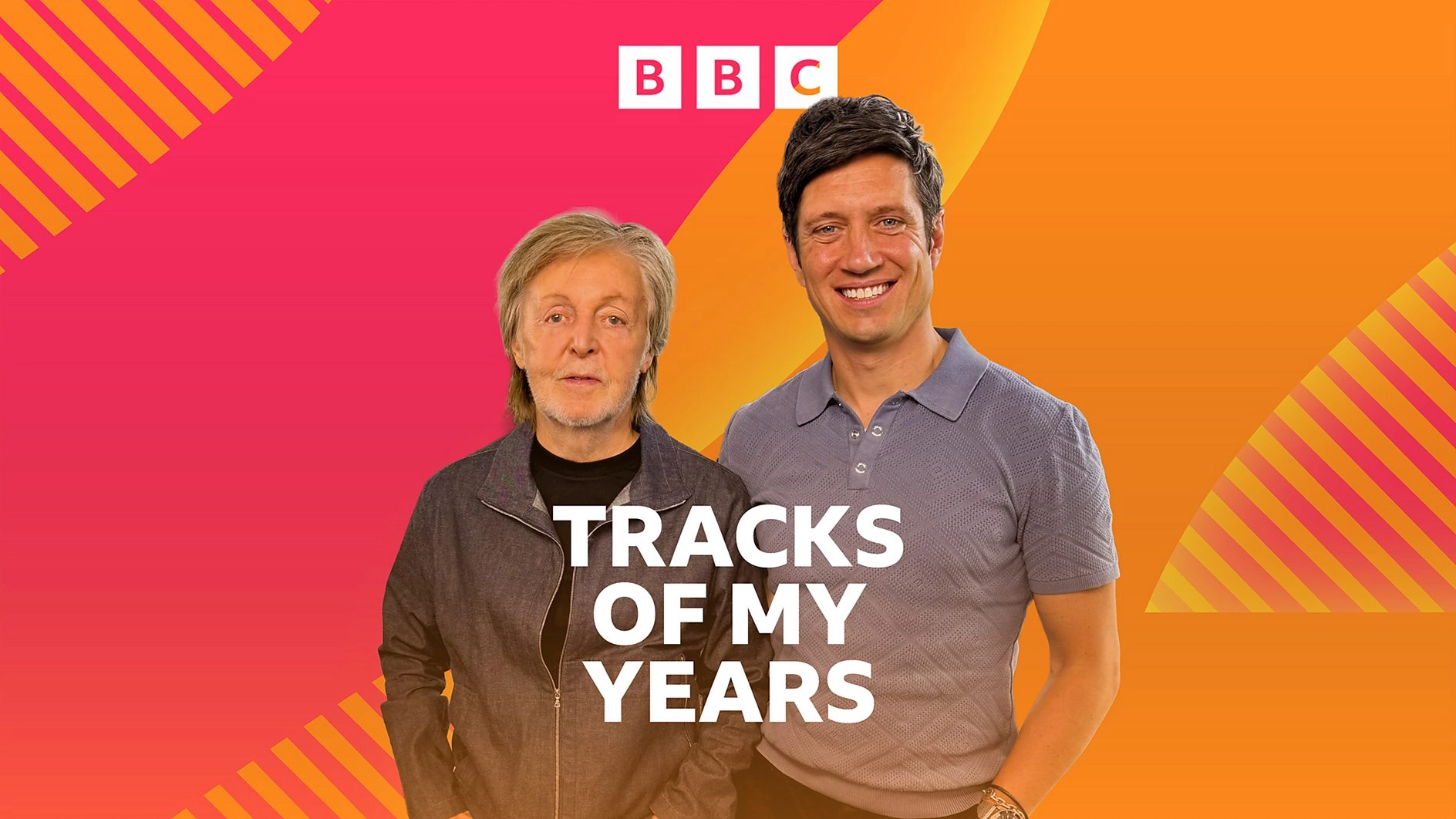
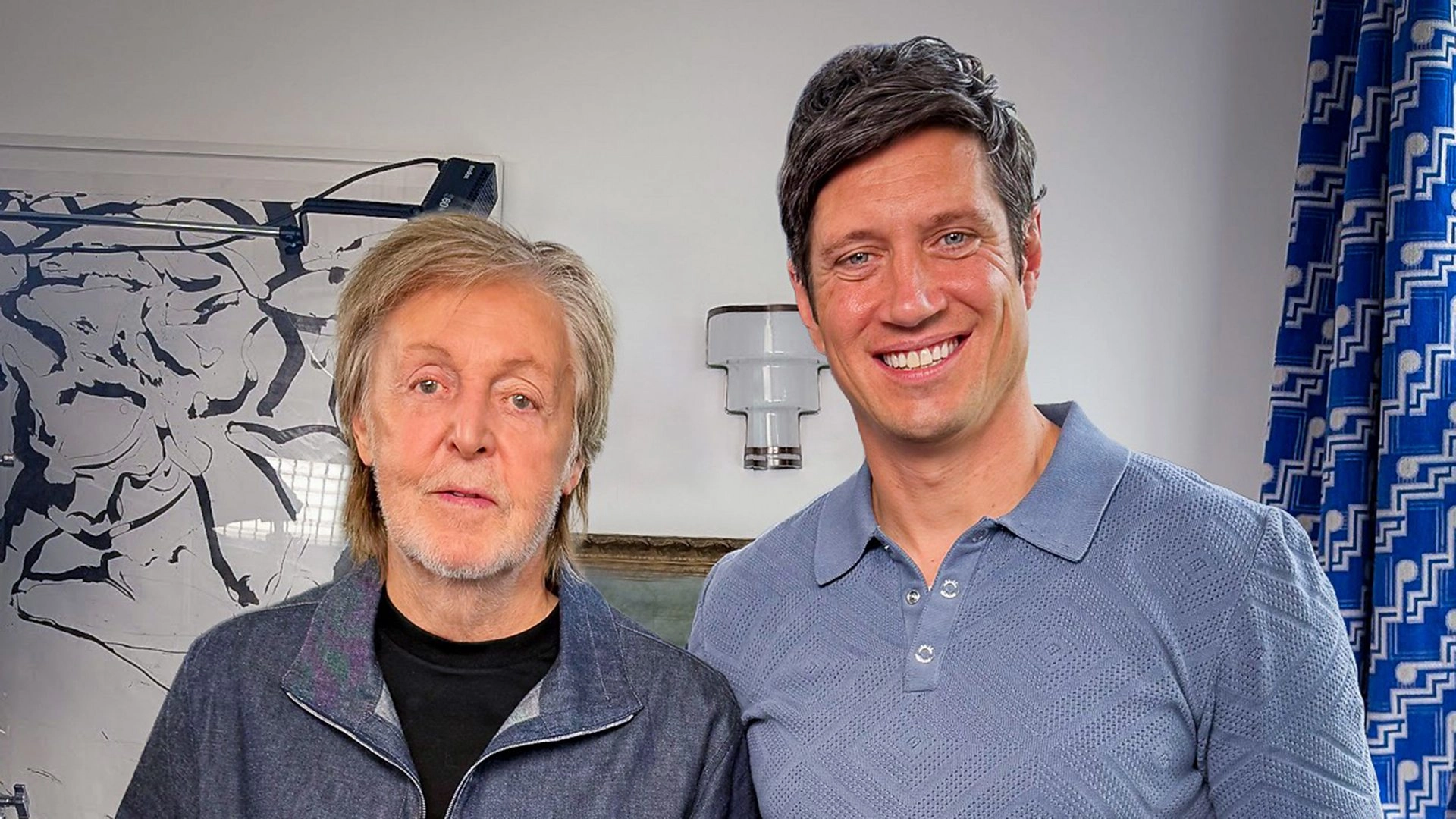
Yes Paul McCartney! Paul McCartney has done Tracks of My Years – it was awesome. As a music fan myself, sitting down with one quarter of the Beatles. Paul McCartney who has had an amazing solo career as well. Paul McCartney who is very very very highly regarded with his songwriting and everything else that he does. It was special. We were excited and you know what, Paul did not disappoint. What a lovely lovely fella. Really personable, asked lots of questions. We got on like a house on fire… we laughed, we giggled.
It was quite emotional at times because I’m sat opposite blooming Paul McCartney. And there was a moment where the room just fell silent. I couldn’t hear what Paul McCartney was saying because I was just in a trance staring at his face. And in my head all I said to myself was ‘It’s Paul McCartney…it’s Paul McCartney.’ His lips were moving but I didn’t hear anything. It’s Paul McCartney… I’m sat opposite Paul McCartney. I’m talking to Paul McCartney for an hour and a half. Like it’s me and Paul time. Vern and Paul time on BBC Radio 2! It was special. It really was extra extra special. He’s releasing his brand-new album, it’s called The Boys of Dungeon Lane – his first in over five years…it’s out on the 29th of May.
Vernay Kay – From Sir Paul McCartney joins Vernon Kay on BBC Radio 2 to choose ten songs that have soundtracked his life

Notice any inaccuracies on this page? Have additional insights or ideas for new content? Or just want to share your thoughts? We value your feedback! Please use the form below to get in touch with us.